When Are The Lupin Season Day Tours At Lake Tekapo?
The lupin season at Lake Tekapo usually runs late November to early January, and a handful of day tours are built around it. Here is what runs, what it costs and what a tour can and cannot promise.
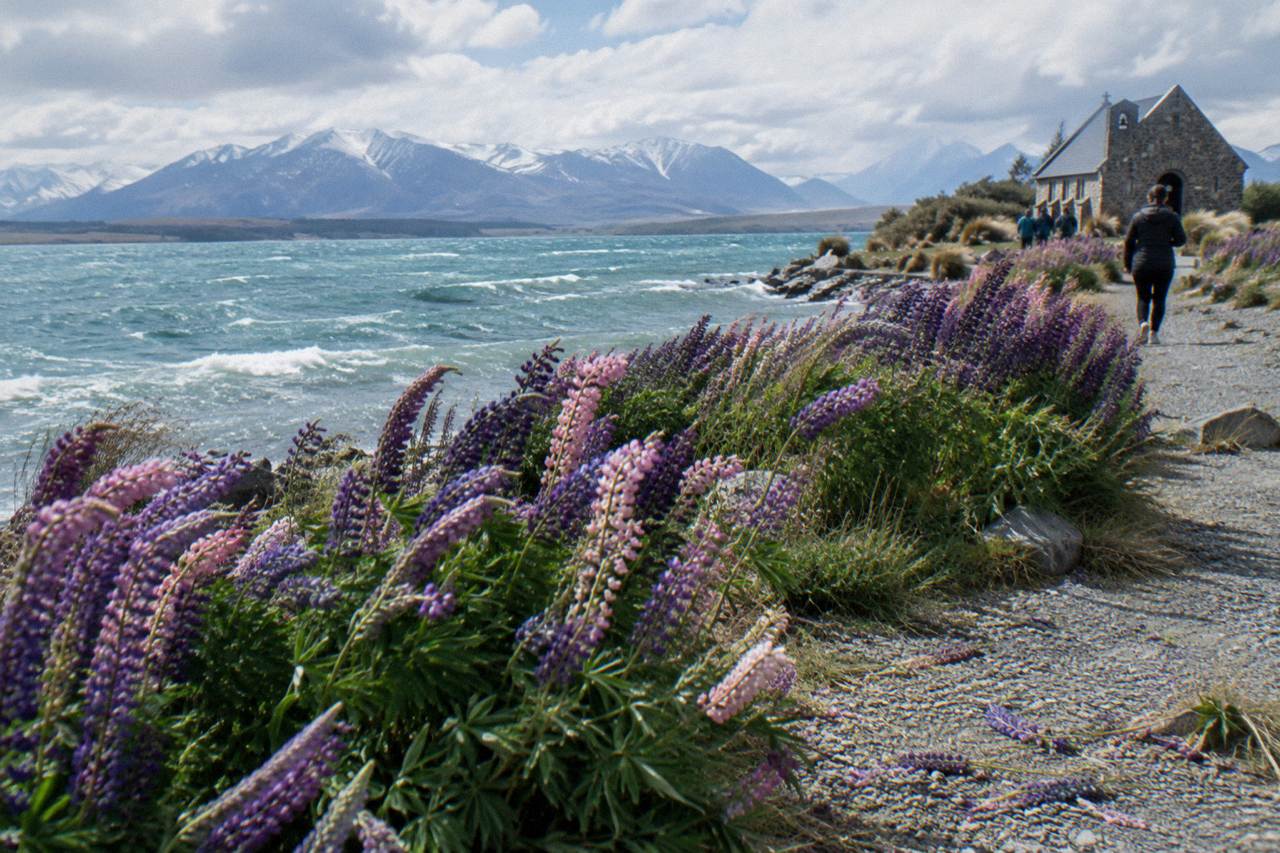
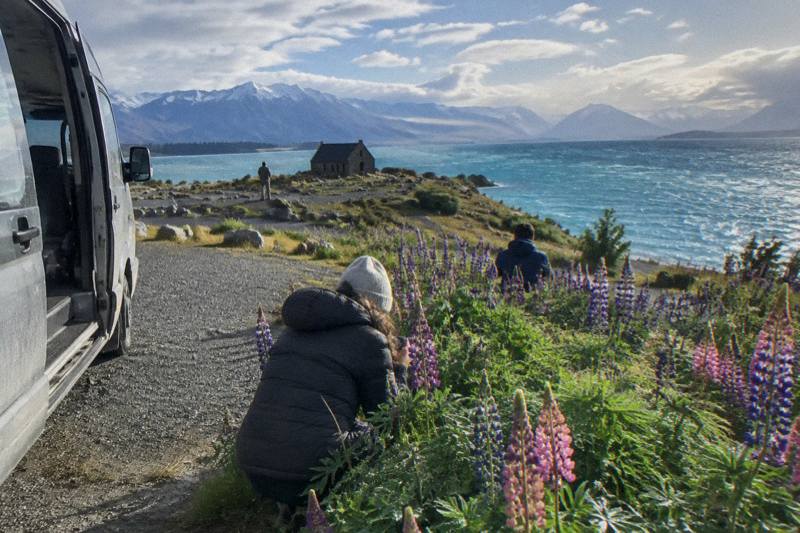
Russell lupins turn the river flats around Lake Tekapo into dense banks of purple, pink and white, usually from late November into early January. The display is famous, the season is short, and the peak moves around from year to year, which is why the timing question matters more here than for almost any other day tour in the Mackenzie Basin. There is no bloom forecast, and no operator will promise you flowers on a given date.
What does exist is a small set of tours that lean into the season: a dedicated Lupin Flowers Tour from Tekapo Adventures, a helicopter flight from Mackenzie Helicopters that lands in a lupin field, and a cluster of small-group 4WD and backcountry trips that pass through lupin country without being lupin tours as such. This page lays out when the season falls, what each tour actually offers, and what a reasonable expectation looks like when you book weeks ahead of a bloom nobody can predict.
The lupin season at Lake Tekapo usually runs from late November to early January, with the peak usually late November to mid December. The peak varies by year, no forecast exists, and no tour promises flowers, so treat these dates as a usual pattern rather than a schedule you can set your trip by.
The three months from November to January carry the whole season. The first scattered flower heads can appear on the warmer river flats from late November, and by early December the main stands around Lake Tekapo are usually in colour. December is the heart of it, and by early January the display is typically fading, patchy in hot seasons and lasting longer in cool ones. That drift of a few weeks either way is why a tour booked for the first week of December can land on either side of the peak.
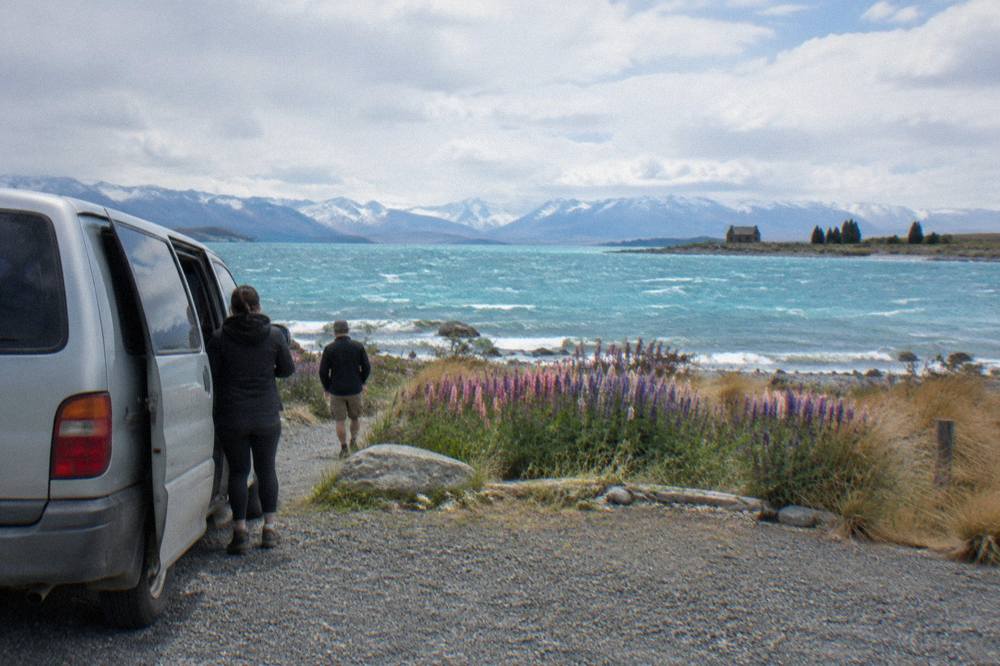
The timing is driven by spring warmth and snowmelt, not by a fixed calendar. A cold spring pushes everything later, a warm one pulls it earlier, and the altitude of the basin means the season behaves differently from the coast. Local operators watch the flats week by week, but nobody publishes a bloom forecast, and the tour dates themselves do not shift to chase the flowers.
Timing your whole trip around lupins is therefore a probability exercise, not a booking certainty. If you can hold your dates flexible to within a week or two, aim for mid to late December as the safest overlap of bloom likelihood and long daylight. If your dates are fixed, book the tour you want anyway and treat the flowers as the best case rather than the guarantee: the Mackenzie Basin scenery, the lake and the mountain backdrops are there regardless.
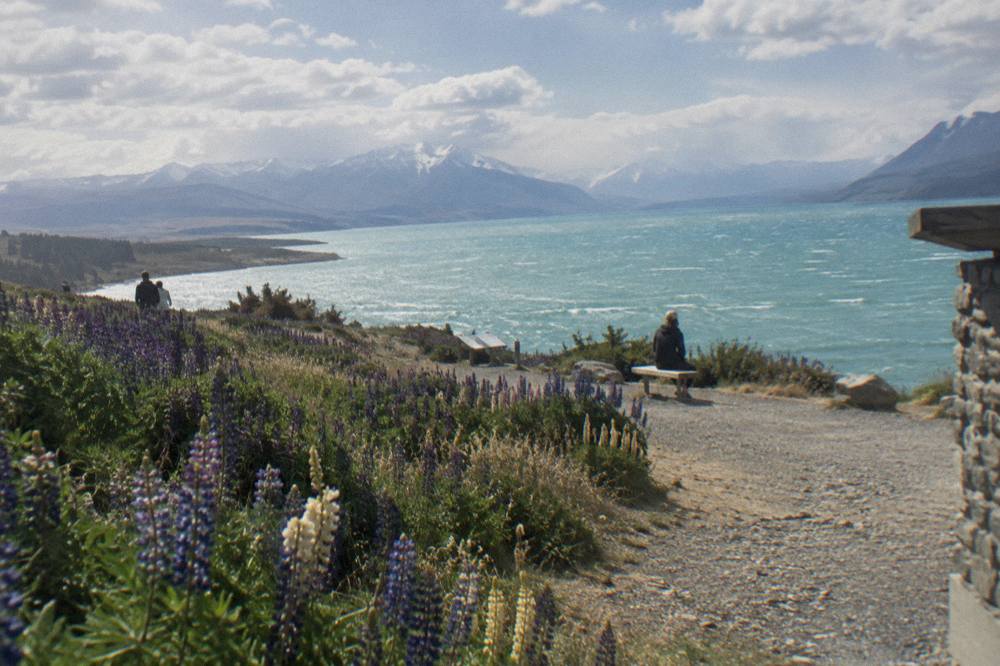
One more timing note that is easy to miss: December is also when summer school holidays ramp up in New Zealand, and the village, parking and tour seats all get busier from mid December into January. Booking the small-group lupin products early in the season window matters more than picking the theoretically perfect week, because several of them cap groups at just six travellers. The fuller picture of the season, the stops and the photography angles is in the Lake Tekapo lupin season day tours guide.
Which Day Tours At Lake Tekapo Focus On Lupins?
Two products in the current lineup are built around lupins: the Lupin Flowers Tour by Tekapo Adventures, a 3 hour guided trip from $237.70 per person capped at 6, and the 25-minute Lupins Scenic Flight by Mackenzie Helicopters from $211.00 per person, which lands in a private lupin field. Everything else that passes lupin country is a scenic or backcountry tour, not a lupin tour.
The ground option is the Lupin Flowers Tour at Lake Tekapo. It runs 3 hours, starts and ends in Lake Tekapo, and carries at most 6 travellers. Coffee or tea and a light snack are included, a Lake Pukaki stop is listed with admission included, and access to private land is part of the pitch: the operator sells entry to spots on farmland with some of the best views in the district, places you cannot simply walk to. It is a new-ish listing with 5 reviews so far, too few to support a star rating claim, so judge it on its inclusions rather than a score.
The air option is the Mackenzie Helicopters lupin flight. It is listed at from $211.00 per person, described as a scenic helicopter flight of about 20 to 25 minutes with a private landing in a lupin field, snow-capped mountains as the backdrop, and the operator notes the lupin season runs November to January. It is a new listing with no reviews yet. As with any flight, departure depends on the weather on the day, and no landing or flight time can be promised in advance.
Around those two sit the general backcountry products, and the distinction matters if you are choosing on flowers alone. The Scenic 4WD Tour Lake Tekapo Backcountry, also from Tekapo Adventures, is a 3 hour trip from $237.70 per person, rated 4.9 across 82 reviews, capped at 6, meeting outside Aotea Gifts in the township. It is a backcountry scenic tour with light refreshments and live commentary, and it drives through high-country landscapes where lupins grow, but it is not sold as a lupin tour and makes no flower promises. The Cass Valley wilderness tour and the Silver River 4WD trip sit in the same family.
| Tour | Operator | USD from | Duration | Lupin focus | Group max | Reviews |
|---|---|---|---|---|---|---|
| Lupin Flowers Tour | Tekapo Adventures | $237.70 per person | 3 hours | Yes, dedicated flower tour with private land access | 6 | 5, too few for a rating |
| Lupins Scenic Flight + landing | Mackenzie Helicopters | $211.00 per person | About 20 to 25 minutes | Yes, flight with a private lupin field landing | Not stated | New listing, none yet |
| Scenic 4WD Tour Backcountry | Tekapo Adventures | $237.70 per person | 3 hours | No, high-country scenic tour through lupin country | 6 | 4.9 across 82 |
A practical way to choose: if flowers are the reason for the trip, take the Lupin Flowers Tour or the lupin flight, both of which name the flowers in the product. If you want the Mackenzie high country and would be happy to see lupins along the way, the 4WD backcountry tour is the more scenic all-rounder and carries a stronger review record. Some travellers book the ground tour early in their stay and hold the flight as a weather-dependent add-on for the best day.
What Does The Lupin Flowers Tour At Lake Tekapo Include?
The Lupin Flowers Tour includes a professional driver-guide with live commentary, access to private land with lake and mountain views, a Lake Pukaki stop with admission listed as included, and coffee or tea with a light snack, over 3 hours, from $237.70 per person, for a group of no more than 6. It meets outside Aotea Gifts in Lake Tekapo township.
The small group size is the structural feature worth noticing. Six travellers maximum means the vehicle can reach spots a coach cannot, stop where the view is rather than where the carpark is, and give everyone room to photograph. The operator's pitch is built on private land access: the best lupin stands near Lake Tekapo sit on farmland, and a guided tour with landowner arrangement is one of the few legitimate ways to stand among them rather than photographing over a fence from a public roadside.
The Lake Pukaki stop extends the trip beyond the township. Pukaki is the other great lupin lake of the Mackenzie Basin, on a clear day you may see Aoraki / Mount Cook down its length, and the stop is listed with admission included. Between the two lakes the route crosses river flats where the densest flower beds grow. Weather and light change the character of every stop, and the guide adapts commentary to what is actually blooming that week.
Bookings follow the standard pattern across the Tekapo products covered on this site: the booking page states a full refund up to 24 hours before the start. Because the group is capped at six, seats during the peak fortnight of the season are the scarcest commodity, so book the date you want early and adjust later if the bloom news shifts.
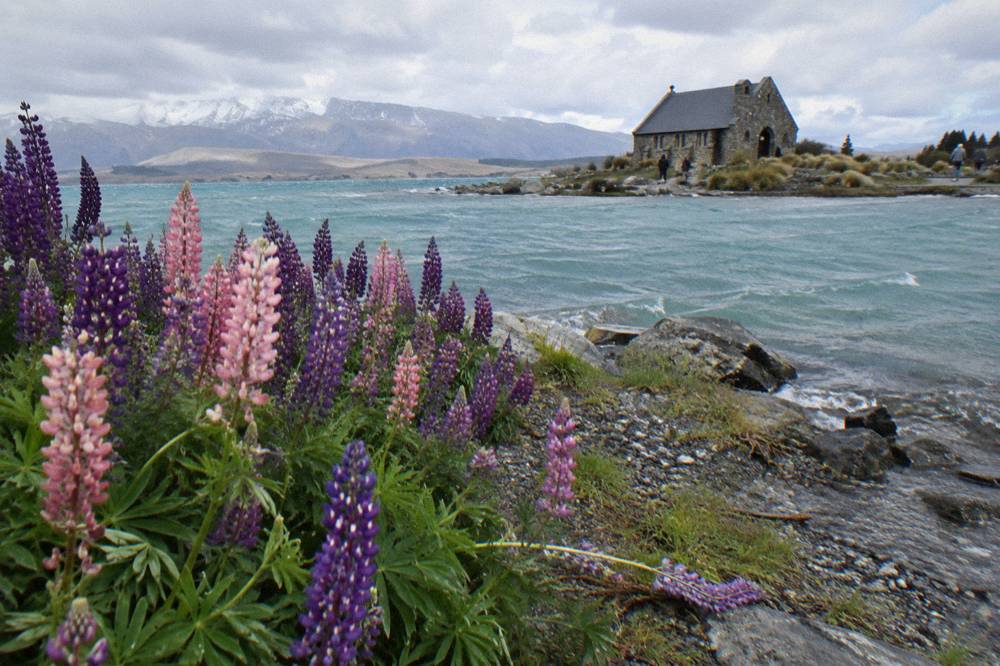
Should You Book The Lupin Tour Or The Lupin Flight?
The two lupin products split along a simple line: time on the ground among the flowers versus a short aerial sweep with a landing. The ground tour gives you three hours, a guide, refreshments and the Pukaki stop at $237.70 per person. The flight gives you roughly 20 to 25 minutes in the air and a private landing in a lupin field at $211.00 per person, weather permitting, with no ground itinerary. Photographers who want more time to compose usually prefer the ground; anyone who wants the Mackenzie Basin's scale in one frame leans to the air. Plenty of visitors with the budget do both on consecutive days.
Can You See Lupins From A Scenic Flight At Lake Tekapo?
Yes, in season: the Mackenzie Helicopters lupin flight from $211.00 per person is built around a roughly 20 to 25 minute flight over the Mackenzie Basin with a private landing in a field of lupins, with Lake Tekapo below and the Southern Alps behind. The operator notes the season runs November to January, and the flight itself is always weather dependent.
The aerial view of the lupin season is different in kind from the ground one. From above, the flowers read as colour washes along the river channels and lake edges, bright ribbons of purple and pink against the grey shingle flats and the turquoise water. The landing is the part most passengers remember: the aircraft sets down in a private field where the flowers run to the horizon with the snow-capped peaks behind, and you get time on the ground for photographs before lifting off again.
Two cautions apply, both honest rather than discouraging. First, no flight is guaranteed to depart: helicopter operations depend on cloud, wind and visibility on the day, and the operator decides then. If weather cancels, the standard terms across the products on this site apply, with the booking page offering a full refund up to 24 hours before the start and the operator handling weather outcomes on the day. Second, the flowers are seasonal: outside roughly late November to early January the field is green, and the same flight is still a spectacular Mackenzie flight, just not a lupin one.
The fixed-wing alternative is a different product again. Air Safaris has flown from the Tekapo aerodrome since 1975, and its Grand Traverse style flight spends about 50 minutes in the air covering some 200 kilometres over Aoraki Mount Cook and Westland Tai Poutini National Park, with a window seat for every passenger and no landing, from $313.00 per person. It is a mountain flight rather than a flower flight, and it is compared in full in the Lake Tekapo scenic flight tours guide.
Where Are The Best Lupin Spots Around Lake Tekapo?
The densest lupin stands usually line the lake edge and the river flats of the Mackenzie Basin, with good roadside viewing from public roads and paths. The best of the flowers sit on private farmland, which is exactly what guided lupin tours sell access to.
The classic postcard angles are all within a short drive of the village. The lakefront south of the Church of the Good Shepherd carries strong colour in a good season, framed by water and mountains. The river flats inland hold the largest continuous beds, kilometres of them in peak years, and the drive toward Mount Cook on State Highway 8 cuts right through lupin country, with Lake Pukaki's shoreline producing some of the most photographed flower scenes in New Zealand.
The catch is access. The biggest and most photogenic stands grow on working farmland, and the guidance from the local operators and land managers is consistent: stay on public roads and paths, take photographs rather than flowers or seeds, and do not cross fences onto private land. Russell lupin is a managed weed in the basin, deliberately controlled on the river flats, and the flower tourism works best when everyone keeps to the viewpoints. That constraint is precisely why the guided products exist: the Lupin Flowers Tour's private land access is the legitimate route to the interiors.
If you are touring independently alongside a booked tour day, the practical pattern is simple. Use early morning and evening light, because the high sun flattens the colour, and check road conditions on the NZTA Journey Planner on the day, per the NZTA Journey Planner guidance for State Highway 8 and the Mount Cook road. Parking in Tekapo is free in 2026, though the council plans paid parking from 2027, so expect the lakefront to tighten in coming seasons.
Do Lupin Tours Guarantee That You Will See Flowers?
No lupin tour at Lake Tekapo promises flowers. The season usually runs late November to early January, the peak varies by year, no forecast exists, and the operators describe what is flowering on the day rather than guaranteeing a bloom. Booking a lupin tour is buying the guide, the access and the route in the season window, with the flowers as the strong probability rather than the contract.
This is worth stating plainly because the marketing elsewhere can imply otherwise. The Lupin Flowers Tour sells the best lupin hot spots in the Mackenzie, private land access and a local guide, and it runs to that itinerary whatever the flowers are doing that week. In a late, cold spring, early December tours may find the stands still building. In a hot, early season, early January tours may find them largely finished. The same logic applies to the lupin flight: the field is private and the landing is real, but the bloom in it follows nature.
The best you can do to stack the odds is choose dates inside the heart of the usual window, with the peak usually late November to mid December, and keep expectations proportional to how far your dates sit from it. A tour at the edge of the season still delivers the basin, the lakes and the guiding; the flowers are the variable. Travellers who book a stargazing evening the same day hedge nicely, since the Aoraki Mackenzie reserve, designated in 2012, covers 4,367 square kilometres of the basin and the national park, and the night sky is the region's other headline act.
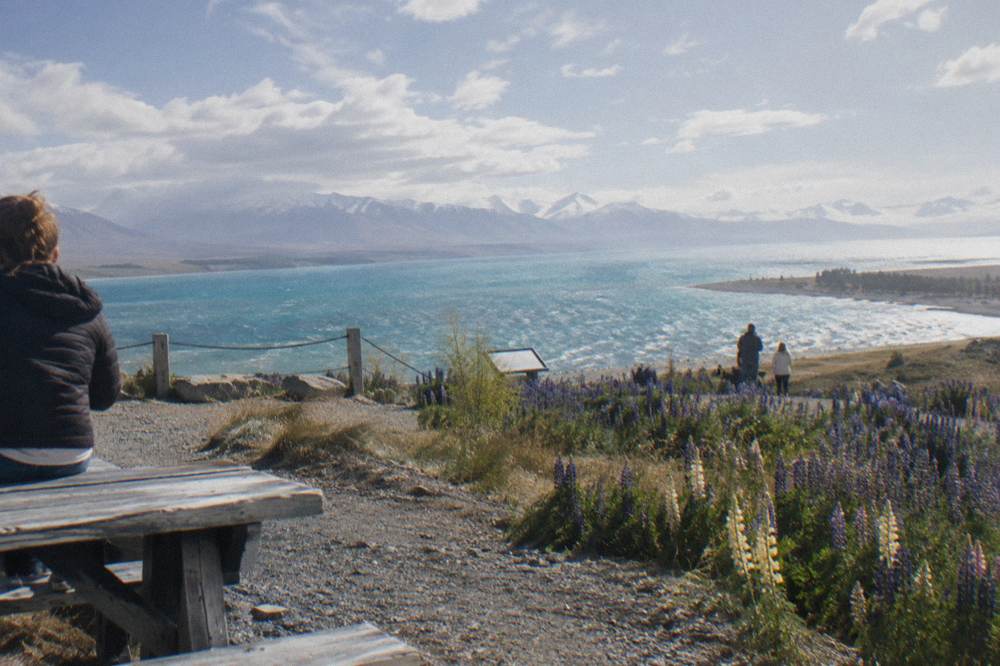
Cancellation terms follow the same pattern as the rest of the site's covered products. The booking pages of the lupin tours state a full refund up to 24 hours before the start, which covers a change of plans before the day. On the day itself, weather decisions sit with the operator: the flight depends on flying conditions. What none of them control is the bloom, and no honest booking conversation will claim otherwise.
What Should You Know About Lupins At Lake Tekapo Before You Go?
Russell lupin is not native to New Zealand and is treated as a managed weed on the Mackenzie river flats: stay on public roads and paths, photograph rather than pick, and never take seeds or flowers. The basin's flower season is a beautiful accident of an introduced plant, and responsible viewing keeps the access arrangements, and the farmland tours, viable.
The plant arrived as a garden ornamental and spread aggressively through the braided river systems, where it changes the gravel habitat the native birds nest on. That is why land managers control it in places even as visitors photograph it in others, and why the etiquette around the flowers is stricter than it looks: the colour is abundant, the habitat is fragile, and the private land the tours access stays open only while visitors behave. Take photos, not seeds.
Beyond the flowers themselves, a December lupin trip sits inside the region's high summer rhythm. Daylight saving is in force, having begun on 27 September 2026 and running to early April 2027, with sunset at Tekapo around 9 pm in December and pushing toward 9:20 pm at the solstice on 21 December. True darkness arrives roughly 10 pm in December and January, which leaves a long golden evening after a daytime tour and makes a same-day stargazing booking workable, with tour start times following sunset. If you are planning around darkness rather than daylight, the moon matters too: new moon falls around 9 December 2026 and 7 January 2027, with full moon around 24 December 2026, so the darkest nights cluster early and late in the flower season.
Clothing deserves a sentence even in summer. Lake Tekapo sits at about 710 metres above sea level, and nights are cold even in the high season. Layers, a windproof jacket and closed shoes for gravel river flats cover the ground tour. The site behind this page, Lake Tekapo Day Tours, covers the same ground for the stargazing evenings in its what to wear guide.
Common Questions About Lake Tekapo Lupin Season
When Are The Lupin Season Day Tours At Lake Tekapo?
Lupin season tours run through the usual bloom window of late November to early January, with the Lupin Flowers Tour and the lupin helicopter flight both operating on their normal schedules through that period. The peak varies by year and no tour promises flowers, so mid to late December is the safest overlap of bloom likelihood and availability.
What Month Do Lupins Bloom At Lake Tekapo?
Usually late November into early January, with the strongest displays typically late November to mid December. The peak shifts with spring warmth and snowmelt, so a warm season flowers earlier and a cold one later. There is no bloom forecast, and no operator promises flowers on a given date.
Do Any Lake Tekapo Tours Guarantee Seeing Lupins?
No. The Lupin Flowers Tour includes the guide, the route, private land access and the Lake Pukaki stop, and the lupin flight includes the aircraft and the landing field when weather permits, but neither can guarantee the state of the bloom. Flowers remain the seasonal variable on every lupin product.
How Much Do The Lupin Tours At Lake Tekapo Cost?
The Lupin Flowers Tour by Tekapo Adventures is from $237.70 per person for 3 hours with a group capped at 6, including coffee or tea and a light snack. The Mackenzie Helicopters lupin scenic flight is from $211.00 per person for roughly 20 to 25 minutes with a private lupin field landing.
Can You Photograph The Lupins From Public Land?
Yes: the lakefront, State Highway 8 pull-offs and the Lake Pukaki shoreline give strong public viewpoints. The largest stands sit on private farmland, so stay on roads and paths, never cross fences, and take photographs rather than flowers or seeds. Guided tours sell the legitimate access to the private interiors.
Is The Lupin Season A Good Time To Combine A Day Tour With Stargazing?
It is one of the best combinations of the year: long December daylight gives a full afternoon tour, sunset around 9 pm leaves time for dinner, and stargazing tours start as darkness arrives near 10 pm. New moon around 9 December 2026 and 7 January 2027 gives the darkest nights early and late in the flower window.