What Happens If A Tekapo Stargazing Tour Is Cancelled For Cloud?
Cloud is the one thing no Tekapo operator can control. Here is exactly what each stargazing tour offers when the sky is covered, from indoor alternatives to refunds.
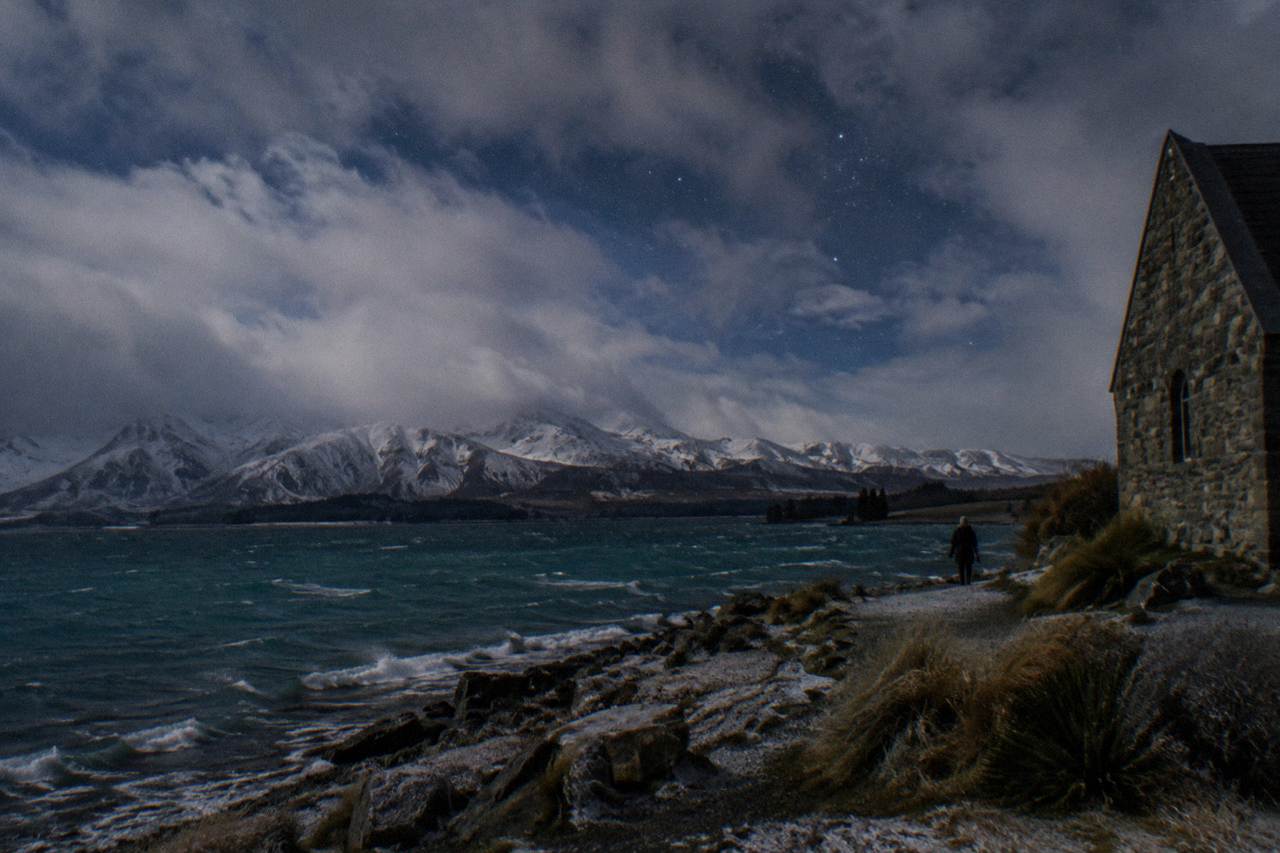
Lake Tekapo sits inside the Aoraki Mackenzie Reserve, designated in 2012 as an International Dark Sky Reserve covering 4,367 square kilometres of the Mackenzie Basin and Aoraki / Mount Cook National Park. That designation protects the darkness, not the weather. Cloud still rolls over the Southern Alps, and on those nights most stargazing operators in the township have to make a call. Understanding what each one offers when the sky is covered is the difference between booking with confidence and standing outside a check-in desk wondering what you just paid for.
When cloud stops a Tekapo stargazing tour, the outcome depends on the operator: the Dark Sky Project offers an indoor alternative, a reschedule subject to availability, a voucher or a refund, while the Soak in the Stars tour at Tekapo Springs runs anyway with an indoor session, and a 25 percent refund applies if you get under 30 minutes of telescope viewing. No operator promises an automatic refund, and none can promise the sky.
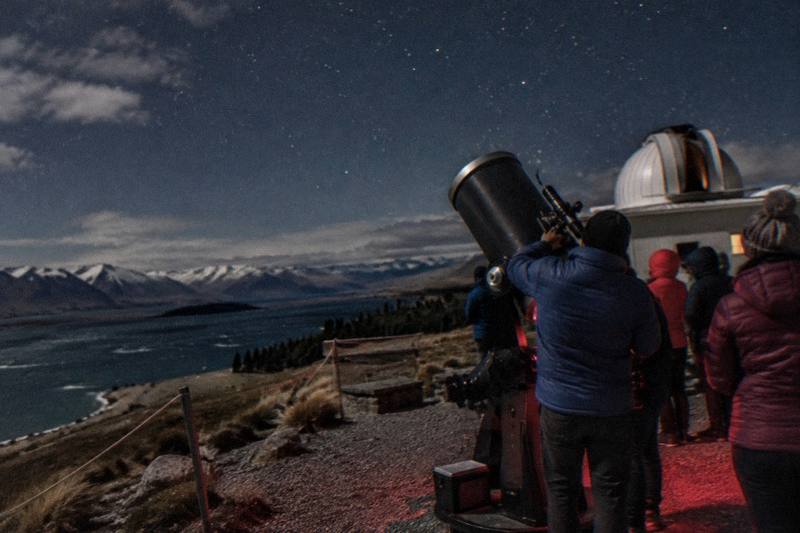
The first thing to understand is that "cancelled" means different things at different companies. At the Dark Sky Project base on Motuariki Lane, a night that cannot support outdoor stargazing becomes a decision point: the operator offers an alternative night-time indoor experience, or a reschedule subject to availability, a voucher or a refund. The indoor option is a real product, but it is not the same experience as standing under the reserve's sky, and the operator says plainly that it cannot guarantee what you will see on any given night.
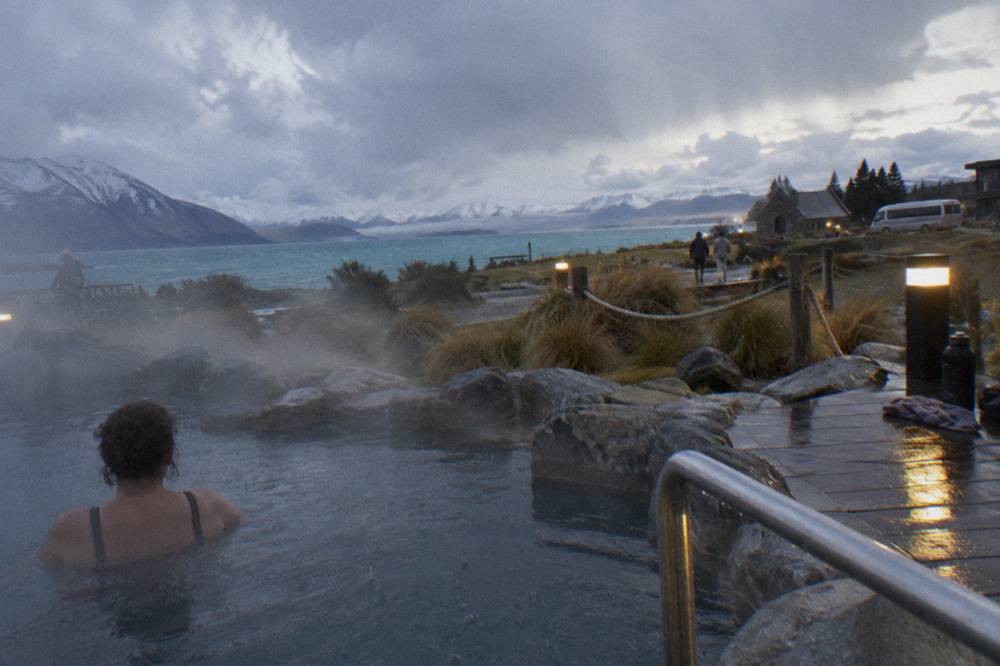
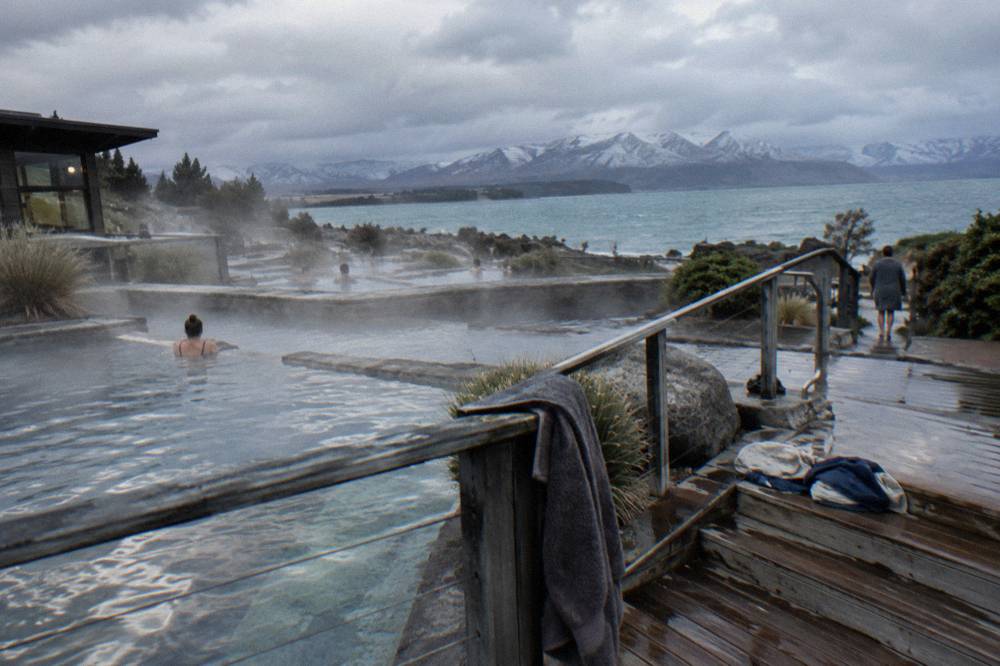
At the other end of the scale, the Soak in the Stars tour at Tekapo Springs takes a different approach. Hot pools are part of the ticket, so the tour runs even if some or none of the sky is visible. If snow, extreme ice or lightning force a cancellation, you get an alternative date or a full refund. If the tour runs but clouds limit the viewing, a 25 percent refund applies when under 30 minutes of telescope viewing happens. The hot pools happen regardless.
The stargazing tours compared in detail across the Lake Tekapo stargazing tour guide each carry their own weather line, and the differences are worth reading before you book rather than after. Every tour covered here states free cancellation up to 24 hours before the start for a full refund, which covers you changing your own plans, and the weather policies cover the operator's.
Do You Get A Refund If The Cloud Rolls In?
Sometimes yes, sometimes as a reschedule or voucher. The Dark Sky Project offers a reschedule subject to availability, a voucher or a refund when outdoor stargazing is not possible, and if snow, extreme ice or lightning cancels Tekapo Star Gazing's Soak in the Stars you get an alternative date or a full refund; it runs with an indoor session when the sky is hidden, and under 30 minutes of telescope viewing earns a 25% refund. Refunds are never automatic.
The pattern across the township is that operators set their own weather terms, and money follows the policy rather than the mood. The Dark Sky Project, which runs both the Mount John Summit Experience and the Cowan's Observatory Crater Experience, publishes no fixed cancellation hours and invents none for you. What its weather line gives you is a menu of outcomes, and the indoor alternative sits first on that menu. If you take it, you get a night-time indoor experience rather than a sky view, and the operator is clear that what you see depends on conditions.
The 25 percent rule at Tekapo Springs is unusually specific and worth knowing before you go. The operator runs the tour in cloud because the hot pools, the floating hammocks and the guided session all still happen, with an indoor session replacing the sky portion. If you end up with less than half an hour at the telescopes, the operator applies the 25 percent refund. That is a partial remedy for a diminished experience rather than a cancellation payout.
No weather policy is listed for Silver River Stargazing or Chameleon Stargazing; ask the operator what the options are if the sky clouds over. For a wider look at how nights get called, the weather and cancellations guide works through the whole picture, including what to do with a same-day booking.
How Does The Dark Sky Project Handle Cloudy Nights?
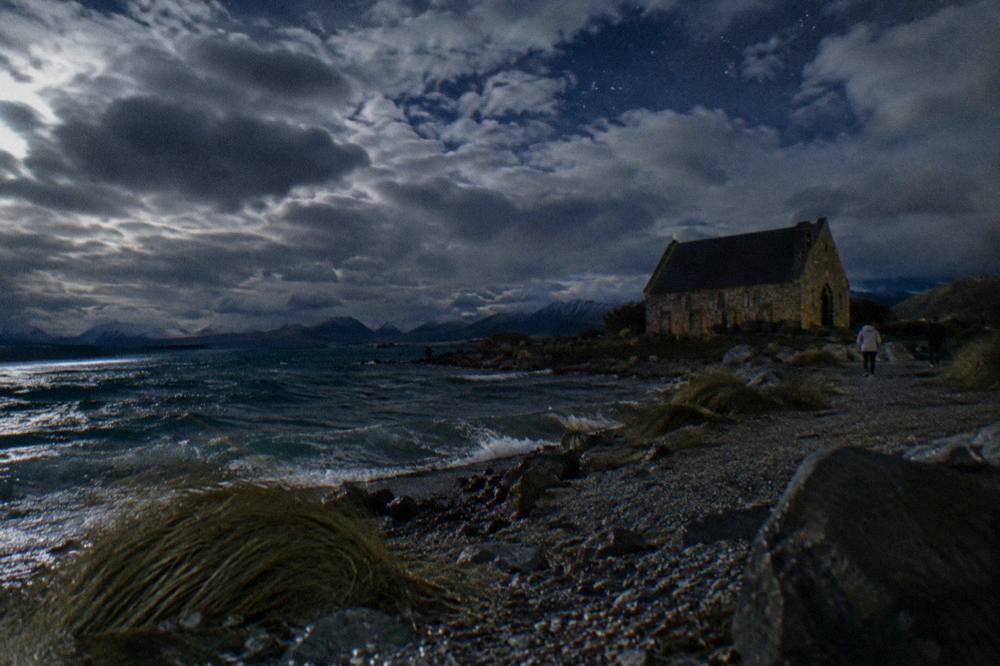
When outdoor stargazing is not possible, the Dark Sky Project offers guests an alternative night-time indoor experience, or a reschedule subject to availability, a voucher or a refund. The indoor alternative is not a guaranteed sky view and is not the same product as the outdoor tour, and the operator cannot guarantee what you will see on any night.
The Dark Sky Project runs two distinct products from its base at 1 Motuariki Lane, and the weather line covers both. The Summit Experience travels by bus about 15 minutes up Mount John to the University of Canterbury Observatory at 1,029 metres, runs 1 hour 45 minutes including the bus, and carries a minimum age of 10. The Crater Experience at Cowan's Private Observatory, a 5 minute drive from the base, runs 1 hour 30 minutes with a minimum age of 5. Neither tour can control the cloud, and both fall back on the same menu of options when the sky fails.
A few practical points make a cloudy-night booking easier to manage. Check-in is 15 minutes before departure at the base, tours run seven days with times that follow sunset, and same-day bookings are possible but spots are limited, which matters if you are trying to reschedule onto the following night at short notice. Return transport between the base and the stargazing site is included on both products; hotel pickup is not.
One thing the operator will not do is promise you the Milky Way. The Milky Way and the Aurora Australis depend on weather and moonlight, and the reserve's darkness is what makes the attempt worthwhile, not a guarantee of any particular sight. That honesty cuts both ways: the same unpredictability means a marginal night can clear after check-in, and guides on the summit work with whatever the sky gives them.
What Happens At Tekapo Springs If The Sky Is Covered?
The Soak in the Stars tour at Tekapo Springs runs even if some or none of the sky is visible, swapping the sky portion for an indoor session. If snow, extreme ice or lightning cancels it, you get an alternative date or a full refund, and if telescope viewing falls under 30 minutes, a 25 percent refund applies.
The logic here is structural. Hot pool use is part of the ticket, with a group of no more than 32 having exclusive night use of the pools, plus a floating hammock and a guided tour of the dark sky reserve. Almost none of that depends on the stars being visible, so a cloud ceiling does not stop the product from existing. It just becomes a warm soak with an indoor astronomy session instead of a sky session, and some hot drinks are provided while the rest of the food and drink is not.
For travellers whose main goal is the sky rather than the soak, that structure is a reason to think carefully before booking. The full refund only triggers on a weather cancellation by the operator, snow, extreme ice or lightning, not on cloud alone. The 25 percent refund under 30 minutes of telescope viewing is the remedy for a cloudy-but-running night, and it is applied rather than negotiated.
Practical details help too. The tour meets at Tekapo Springs, 300 Lakeside Drive, runs 1 hour 30 minutes, carries a minimum age of 10 and a group maximum of 34, and costs from $101.55 per person. Pickup and drop-off from Lake Tekapo township is on request only and subject to availability, so plan to make your own way to the pools. Check the Tekapo Springs hours before you go, since they shift with the season and rolling maintenance.
Can You Cancel Yourself Before The Tour Starts?
Yes. All 25 tours covered on this site state free cancellation up to 24 hours before the start for a full refund, and that includes every stargazing tour in the township. Inside the final 24 hours the weather policies take over, so the safest play is to decide before that window closes if the forecast looks poor.
The 24 hour rule is your own escape hatch, and it is separate from anything the operator does about cloud. If the forecast has turned and you would rather spend the night elsewhere, cancelling more than 24 hours before the start gets you a full refund on any of the tours covered here. The Chameleon Stargazing experience, rated 4.9 across 788 reviews and priced from $72.00 per person for 1 hour 30 minutes, carries that same free cancellation wording, as does every other listing in the township.
The catch is timing. Cloud forecasts in the Mackenzie Basin are genuinely changeable, and a night that looks hopeless at midday can be clear by 11 pm. If you cancel at the 25 hour mark and the sky opens, you have paid nothing and seen nothing. If you hold the booking and the cloud holds too, you fall back on the operator's weather menu. There is no rule that solves this, only your own tolerance for risk.
A reasonable middle path: book the date you want, watch the sky forecast across your trip window, and use the 24 hour line as your deadline for a decision. Travellers staying several nights in the township have more options than those passing through on a one-night stop, and the stargazing tours here are short enough, 1 hour 15 minutes to 2 hours, that a later start time is sometimes easier to hold than an earlier one.
Which Lake Tekapo Stargazing Tours Run In Marginal Weather?
The Soak in the Stars tour runs in cloud with an indoor session replacing the sky portion, while the Dark Sky Project replaces outdoor stargazing with an indoor alternative, a reschedule, a voucher or a refund. No weather policy is listed for Silver River Stargazing; Go Tekapo's 2-hour tour needs good weather, and if poor weather cancels it you are offered a different date or a full refund. None of the six can promise a sky view.
The table below gathers what each operator's policy means in practice, alongside the tour figures that shape the decision. Durations, prices and ratings come straight from each tour's listed details.
| Tour | Operator | From (USD) | Duration | Rating and reviews | Cloud outcome |
|---|---|---|---|---|---|
| Alpine Stargazing Experience with a Guide | Silver River Stargazing | $55.00 pp | 1 hr 15 min | 4.6, 864 reviews | Weather policy not stated |
| Stargazing Experience | Chameleon Stargazing | $72.00 pp | 1 hr 30 min | 4.9, 788 reviews | Weather policy not stated |
| Stargazing at Cowan's Private Observatory | Dark Sky Project | $80.88 pp | 1 hr 30 min | 3.9, 91 reviews | Indoor alternative, reschedule, voucher or refund |
| Soak in the Stars | Tekapo Star Gazing | $101.55 pp | 1 hr 30 min | 4.3, 121 reviews | Runs in cloud with indoor session; 25% refund under 30 min viewing |
| Ultimate Stargazing Experience | Go Tekapo | $124.24 pp | 2 hrs | 5.0, 17 reviews | Weather policy not stated |
| Mount John Summit Stargazing | Dark Sky Project | $133.00 pp | 1 hr 45 min | 4.6, 347 reviews | Indoor alternative, reschedule, voucher or refund |
Two structural differences stand out. The Mount John Summit Experience, from $133.00 per person with a minimum age of 10, loans an extreme cold weather jacket and includes return transport from the base and summit access as part of the ticket, so a large share of what you pay survives a cloudy night as logistics even before the weather menu kicks in. The Alpine Stargazing Experience with a Guide, from $55.00 per person, is the cheapest per person on this site and the most reviewed, 4.6 across 864 reviews, and it includes roundtrip transport from the check-in office to the stargazing site plus warm down jackets, with a group cap of 10.
The summit tour's remote location is also why its weather line is the most developed. Mount John sits high above the lake, and cloud can close in up there while the township below stays clear, so a session can be called off even when the night in the village looks promising. You can read more about the product in the Mount John observatory stargazing tour guide.
How Can You Give Yourself The Best Chance Of A Clear Night?
Time your booking around darkness and the moon rather than luck. Around new moon the sky is darkest, while a full moon washes out faint objects; new moon falls around 9 November and 9 December 2026, and in December and January true darkness at Tekapo starts roughly 10 pm, which is why tour times follow sunset. Winter nights are longer but colder.
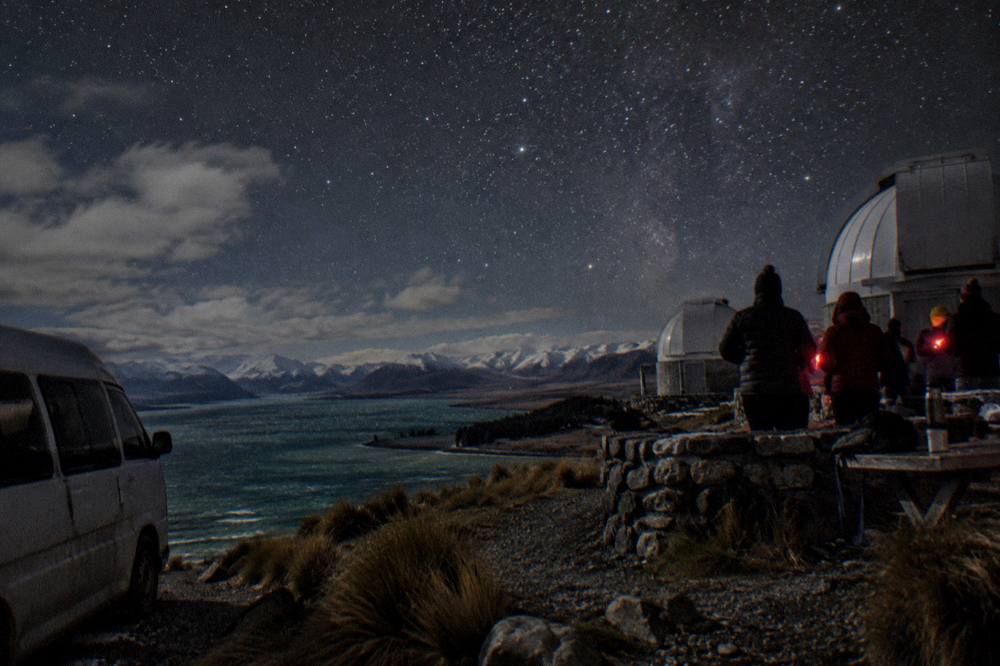
The moon calendar is the one variable you can plan around months ahead. Around new moon the sky is darkest, and the approximate new moon dates in late 2026 and early 2027 fall around 9 November 2026, 9 December 2026, 7 January 2027, 6 February 2027 and 8 March 2027. Full moons land around 24 November and 24 December 2026. If seeing faint objects matters to you, those windows shape the calendar more than any forecast can.
Darkness timing matters almost as much. Sunset at Tekapo is around 8:30 pm in early November, around 9 pm in December and about 9:20 pm at the December solstice, easing to about 8 pm by mid March. Because true darkness in December and January does not arrive until roughly 10 pm, stargazing tours start late in summer, and daylight saving, which began on 27 September 2026 and ends in early April 2027, stretches the evening further. Booking a tour whose start time follows sunset means you are not standing around waiting for the sky to darken.
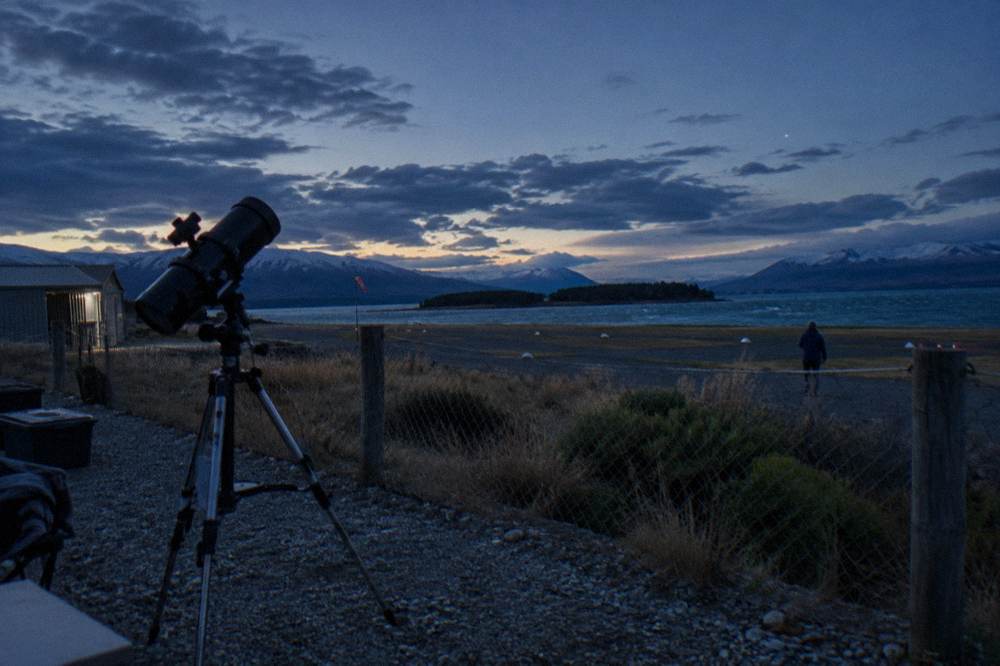
Length of stay is the quiet advantage. A traveller with three nights in the township who hits cloud on night one can usually rebook; the Dark Sky Project allows same-day bookings, though spots are limited, and a reschedule is subject to availability. A traveller passing through on a single evening has one roll of the dice. If the sky is the main reason for the trip, staying overnight rather than day-tripping is the single most effective hedge, and the reasoning behind overnighting is laid out in the guide to how long to spend at Lake Tekapo on a day tour.
What Should You Do On A Cloudy Night In Lake Tekapo?
If cloud wins, your options are a reschedule onto a later night where availability allows, taking an indoor alternative where offered, or spending the evening in the township, where the lake, the village eateries and a warm room beat a wet telescope. None of the operators can conjure a sky, and clouds can arrive on any night.
Start by asking at check-in rather than assuming. Same-day bookings are possible at the Dark Sky Project but spots are limited, so if clouds close in on one evening it helps to have a backup night in mind rather than counting on a late spot. Check-in is 15 minutes before departure, which gives you a natural moment to hear the options.
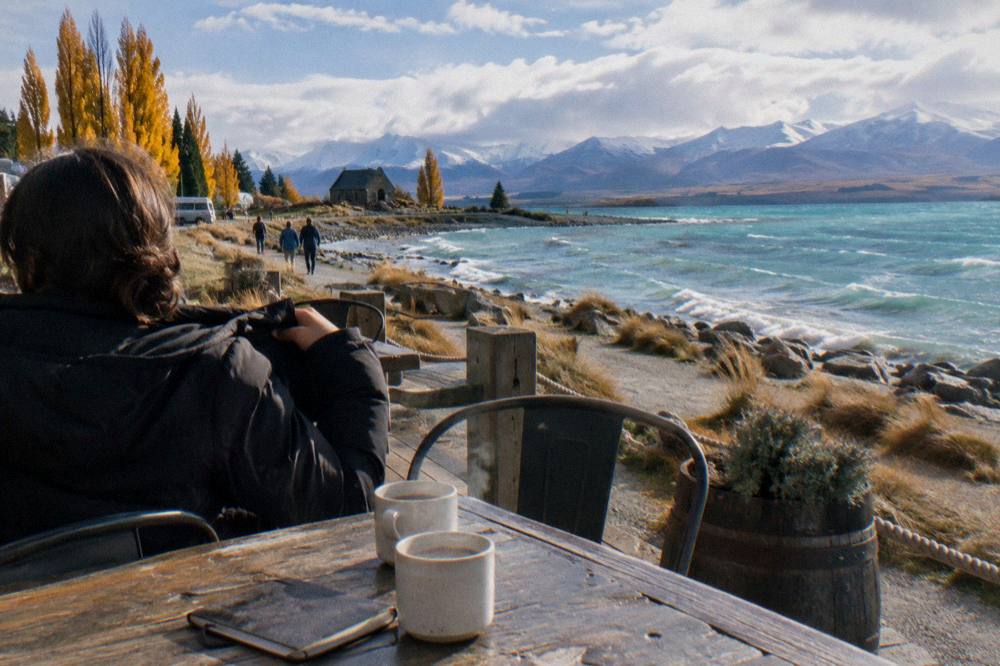
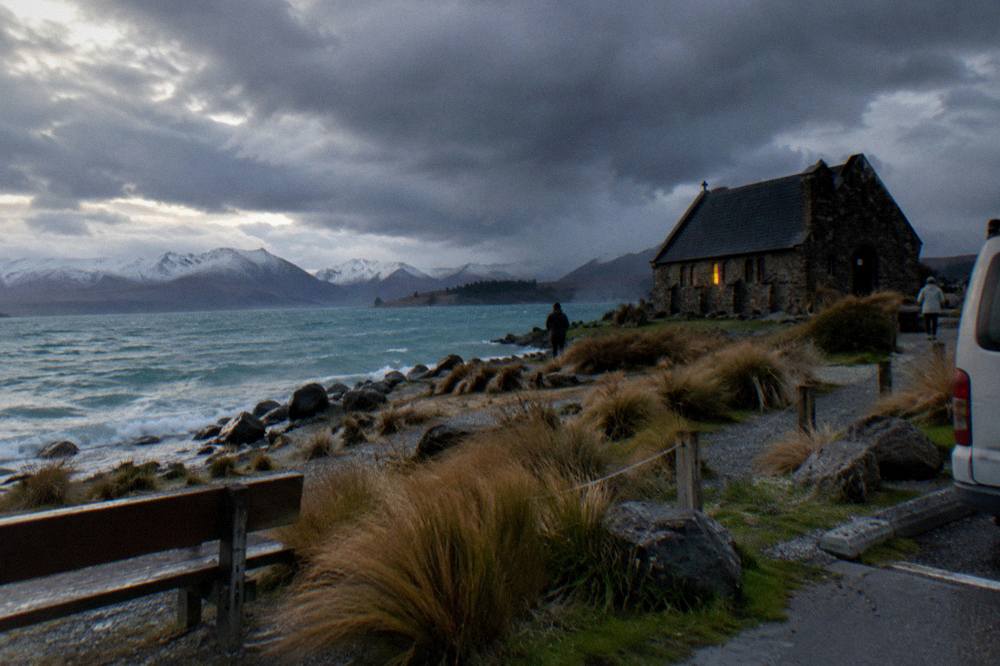
If the night is genuinely lost, the township has a low-key evening economy that suits the situation. The lake itself sits at about 710 metres above sea level, its turquoise colour coming from glacial rock flour suspended in the water, and the shoreline walk costs nothing. The Church of the Good Shepherd grounds close in the evening (8 pm in summer, 5 pm in winter), so it is a daytime sight, but the pay-to-use toilets near the footbridge and the small village centre are all within a short walk. Warm layers matter: nights are cold even in summer, and snow is possible from June to August.
The last word goes to realism. The reserve exists because the Mackenzie Basin took darkness seriously four decades before the designation made it official, and the operators who work under that sky build their policies around its moods. Book with the 24 hour cancellation line in mind, hold a second night if you can, and treat cloud as a scheduling problem rather than a ruined trip. It is the approach Lake Tekapo Day Tours recommends to every visitor planning a night under the reserve's sky.
Common Questions About Cloudy-Night Stargazing Cancellations
What Happens If A Tekapo Stargazing Tour Is Cancelled For Cloud?
It depends on the operator. The Dark Sky Project offers an indoor alternative, a reschedule subject to availability, a voucher or a refund, while the Soak in the Stars tour at Tekapo Springs runs in cloud with an indoor session and applies a 25 percent refund when telescope viewing falls under 30 minutes. No operator promises an automatic refund.
Do You Get Your Money Back If Clouds Cover The Sky At Tekapo?
Sometimes. Tekapo Star Gazing offers an alternative date or a full refund when snow, extreme ice or lightning cancels the tour, and the Dark Sky Project offers an indoor alternative or a full refund on its Mount John summit tour. Cloud alone rarely triggers a full refund on a tour that still runs.
Can You Cancel A Tekapo Stargazing Tour Yourself?
Yes. Every stargazing tour covered here states free cancellation up to 24 hours before the start for a full refund. Inside that final 24 hours, the operator's weather policy applies instead of your own cancellation.
Is There A Best Time To Book To Avoid Cloud?
You can improve the odds but not guarantee them. Around new moon the sky is darkest, and winter nights are longer, though colder. Operators cannot promise clear skies on any date, so keeping a spare night in your itinerary is the most reliable hedge.
Does The Mount John Summit Tour Still Run In Bad Weather?
Not always. If outdoor stargazing is not possible, the Dark Sky Project offers an alternative night-time indoor experience, a reschedule subject to availability, a voucher or a refund. The indoor alternative is not a guaranteed sky view.
What Is The 25 Percent Refund Rule At Tekapo Springs?
The Soak in the Stars tour runs even if some or none of the sky is visible, with an indoor session instead. If you get under 30 minutes of telescope viewing, the operator applies a 25 percent refund to the booking.