What Is The Best Time Of Year For A Lake Tekapo Stargazing Tour?
Season by season, moon by moon: how to choose the date of a Lake Tekapo stargazing tour, with tour times, prices and darkness windows explained plainly.
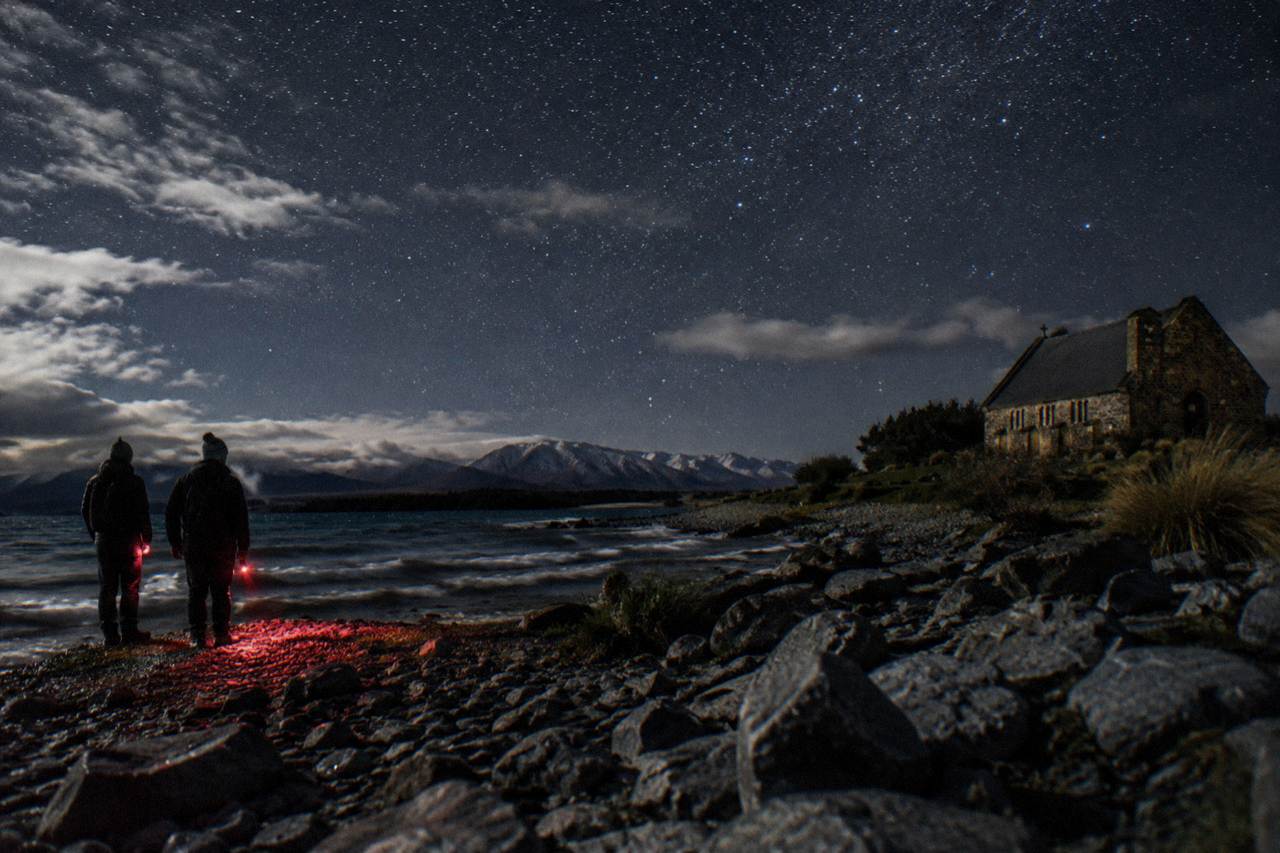
Lake Tekapo sits inside the Aoraki Mackenzie Reserve, designated in 2012 as an International Dark Sky Reserve, a status built on outdoor lighting controls that date from the early 1980s and were written to protect Mt John Observatory. The village sits at about 710 m above sea level beside a turquoise lake, and tours run from its streets most nights of the year. Choosing when to go is less about picking a month and more about working with three moving parts: where the moon is, how much night the season gives you, and whether the cloud cooperates on the night itself. This page works through each of those in turn, using the tour figures and seasonal facts that are actually on record, so a reader picking a date can pick with open eyes rather than a promise nobody can keep.
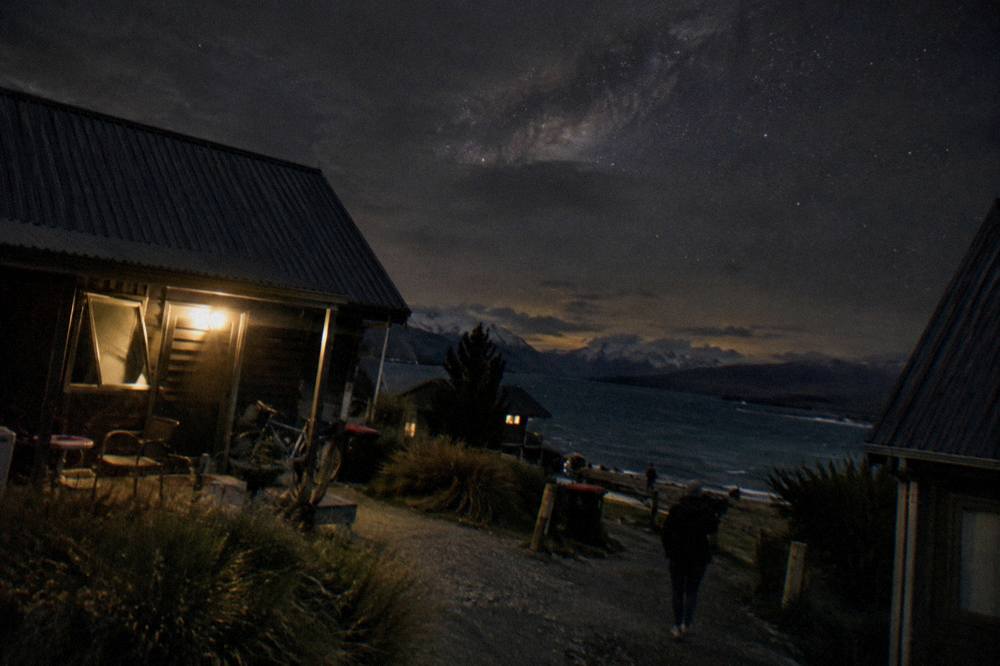
There is no single best month, and no honest operator or writer can name one: the quality of any given night over Lake Tekapo depends on the moon phase, the seasonal darkness window and the weather that evening. Winter offers long nights, summer offers mild ones that start late, and around new moon the sky is at its darkest whenever you visit.
That answer frustrates people who want a month circled on a calendar, so unpack it. The reserve's darkness is constant: the lighting rules that earned the designation do not switch off for winter. What changes through the year is how much usable dark you get and when it begins.
Sunset at Tekapo is around 8:30 pm in early November, around 9 pm in December and about 9:20 pm at the December solstice, falling back to roughly 8 pm by mid March. In December and January, true darkness for stargazing does not start until roughly 10 pm, which is exactly why tour start times follow sunset rather than a fixed clock: the operators publish no season-independent departure hour because none would make sense.
A winter visit trades that late start for a much longer window and much colder air. An autumn or spring visit splits the difference. All three can produce a memorable night, and all three can produce cloud, which brings the article to the moon.
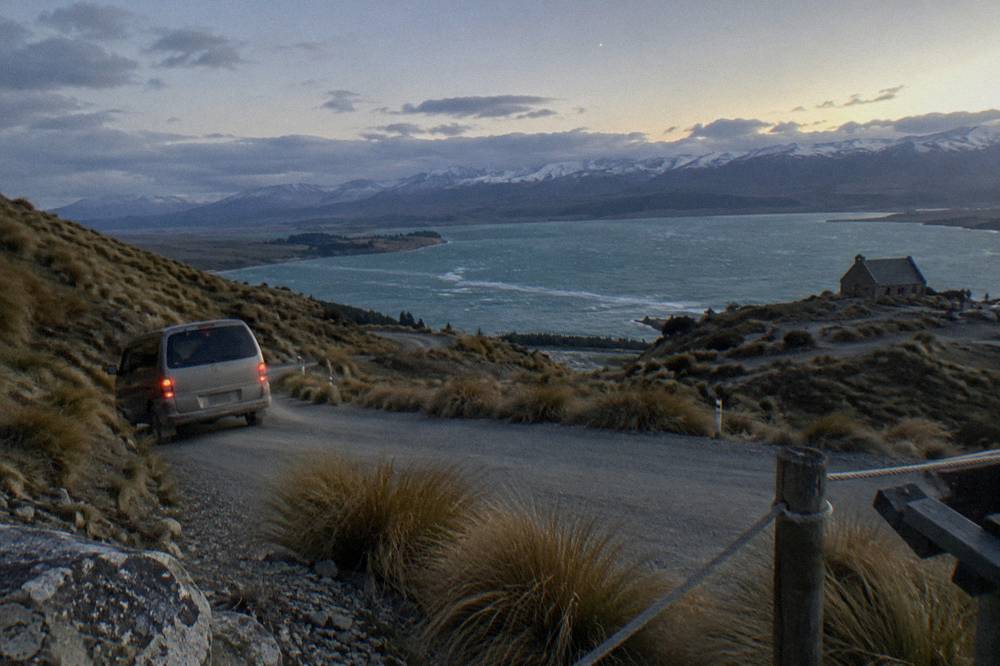
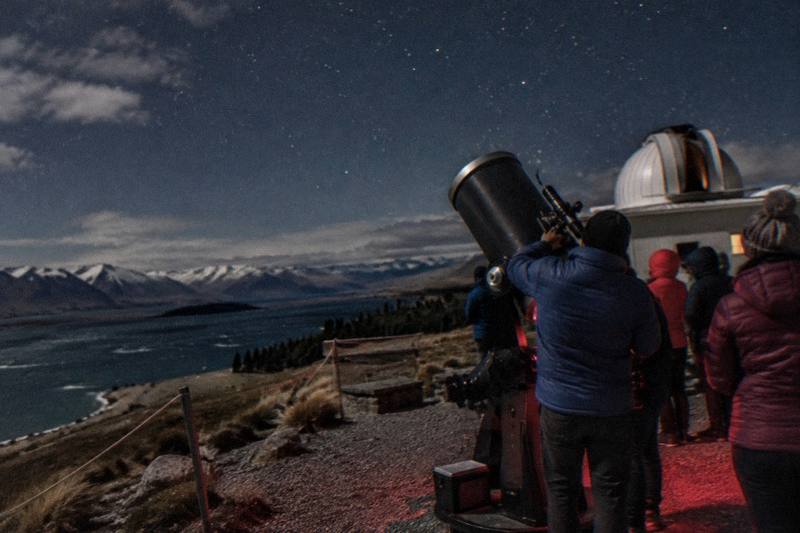
For picking a specific tour on a specific night, these three stargazing experiences cover the range of formats and prices on this site, from the 90-minute Chameleon session with hot chocolate and marshmallows to the guided Mount John summit trip with transport up the mountain included.
When Is The Sky Darkest At Lake Tekapo?
Around new moon, the sky above Lake Tekapo is at its darkest, because a full moon washes out faint objects the way streetlight does in a city. New moon falls around 9 November 2026, 9 December 2026, 7 January 2027, 6 February 2027 and 8 March 2027, with full moon roughly a fortnight after each, so a calendar and a moon phase are the two cheapest planning tools a stargazer can own.
The moon is the one variable a visitor can plan around with near certainty, so it deserves the first table on this page. Cloud is decided on the day; the moon is published years ahead. A reader who can shift a trip by four or five days to sit near a new moon does more for their night than any amount of equipment or luck.
| Moon phase window | Approximate date | What it means for a Tekapo stargazing night |
|---|---|---|
| New moon | 9 November 2026 | Darkest sky of the month; faint objects like the Milky Way's dim regions show best |
| Full moon | 24 November 2026 | Bright moonlight washes out faint objects; bright stars and planets still show well |
| New moon | 9 December 2026 | Darkest window in early summer, though true darkness starts near 10 pm |
| New moon | 7 January 2027 | Late-start summer darkness paired with the darkest moon phase |
| Full moon | 22 January 2027 | A bright moon over long summer twilight; fine for a first stargazing outing |
Two honest caveats belong beside that table. First, the dates are approximate, within a day or so, because the moon does not keep office hours. Second, a full moon is not a reason to stay indoors: bright objects, planets and the moon's own surface through a telescope can be genuinely good viewing, and several of the tours here put a guide and a telescope beside you regardless. The Chameleon Stargazing Experience, 4.9 across 788 reviews and from $72.00 per person, runs 90 minutes with an astronomy guide, telescopes, seats, blankets, hot chocolate and marshmallows over a fire bowl, meeting at 70 Andrew Don Drive, a four-minute drive from the village centre. Around new moon it can show the faint stuff; around full moon it leans toward the bright. Both are real nights out.
How Do The Seasons Change Stargazing At Lake Tekapo?
Winter gives Lake Tekapo its longest nights, with darkness arriving early and lasting until late, while summer gives mild evenings but no true darkness until roughly 10 pm in December and January. Autumn and spring sit between the two, and snow is possible in the Mackenzie Basin from June to August, which matters for clothing and for mountain roads.
The seasonal trade is simple once it is spelled out. A June or July night is long, so tours start early in the evening rather than around 10 pm or later in midsummer. The air is cold, and the Dark Sky Project itself warns that nights are cold even in summer, so winter demands serious layers. Operators here handle that differently: warm jackets are provided on two of the stargazing tours covered on this site, the Silver River Alpine Stargazing experience and the Dark Sky Project Mount John Summit trip, while others ask guests to dress warmly themselves.
Summer flips the bargain. A January tour may not see genuinely dark sky until about 10 pm, so booking the latest departure of the evening matters more than the date. The reward is standing outside at midnight in a light jacket rather than a parka, and pairing a stargazing tour with a late dinner instead of an early one.
Autumn, from March, brings darkness back to family-friendly hours: sunset is around 8 pm by mid March and the clocks go back when daylight saving ends in early April 2027, pulling the whole night earlier again. Spring, from September, is lupin-adjacent and changeable: daylight saving returns late in the month, nights are shortening, and the basin's weather can swing between still, clear evenings and unsettled spells.
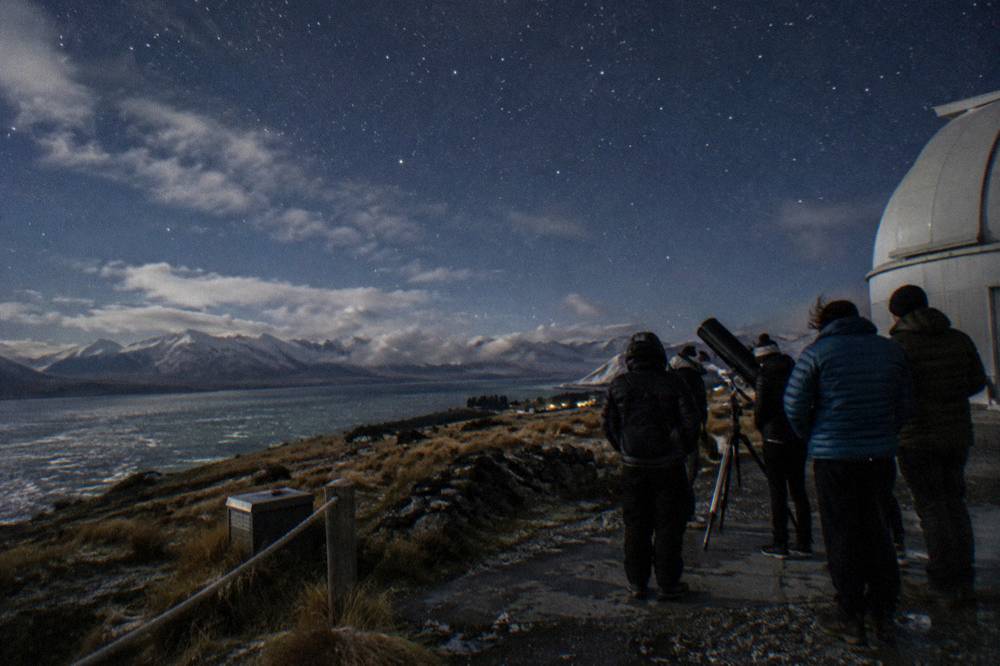
The Silver River alpine experience is the season-proof budget option: from $55.00 per person for 1 hour 15 minutes, rated 4.6 across 864 reviews, the most reviewed stargazing product on this site, capped at 10 guests, with roundtrip transport from the check-in office at 12 Rapuwai Lane to the stargazing site and warm down jackets included. It is also, incidentally, the cheapest per-person tour of any kind on this site.
What Time Do Stargazing Tours Actually Start At Lake Tekapo?
Tour start times at Lake Tekapo follow sunset rather than a fixed clock, so the same tour can leave the village hours apart across the year: roughly 10 pm darkness in midsummer, much earlier in winter, with check-in commonly 15 minutes before departure at the operator's base. No season-independent departure time exists, and any page printing one is guessing.
This is the practical detail that catches summer travellers out. A visitor who books a stargazing tour for their first night in December, expecting an early evening start and an early bed, discovers the departure comes after dark, around 10 pm or later in midsummer, because that is when the sky earns its darkness. Plan the day backwards from the tour, not the tour backwards from dinner. Other pages covering the same trip are gathered on Lake Tekapo Day Tours.
The Dark Sky Project runs its tours seven days a week with times that follow sunset, check-in 15 minutes before departure, and same-day bookings possible though spots are limited. Its Summit Experience is 1 hour 45 minutes door to door, minimum age 10, from $133.00 per person, rated 4.6 across 347 reviews, and includes the bus between the base and the Mount John summit, an extreme cold weather jacket, a 16-inch telescope in a dome and an astronomy guide. The bus ride to the summit takes about 15 minutes, and there is a walk of about 100 m up a gravel incline plus a few steps in the dark, so moderate fitness helps.
A family note belongs here because the ages differ by product: the Dark Sky Project Crater Experience at Cowan's Private Observatory takes children from age 5, while the Summit Experience and the Tekapo Star Gazing hot-pool tour both set a minimum age of 10. The family angle is covered in full in the guide to Lake Tekapo day tours with kids, which lists the age limits side by side.
Does Cloud Decide The Night At Lake Tekapo?
Yes: cloud, not the calendar, is the single biggest decider of any Tekapo stargazing night, and no operator here promises clear skies, the Milky Way or an aurora. When weather blocks the sky, each operator's own terms apply: some offer a different date or a full refund, the Dark Sky Project and Soak in the Stars an indoor alternative, and two operators state no weather policy. Every tour can be cancelled free up to 24 hours before the start.
Every stargazing product on this site is weather-exposed, and each operator words its fallback differently. The Dark Sky Project says outright that it cannot guarantee what guests will see, and if outdoor stargazing is not possible it offers an alternative night-time indoor experience, or a reschedule subject to availability, a voucher or a refund. The indoor alternative is not the same product as the outdoor tour and is not a guaranteed sky view, and the operator publishes no fixed cancellation hours beyond that, so never let anyone invent some for you.
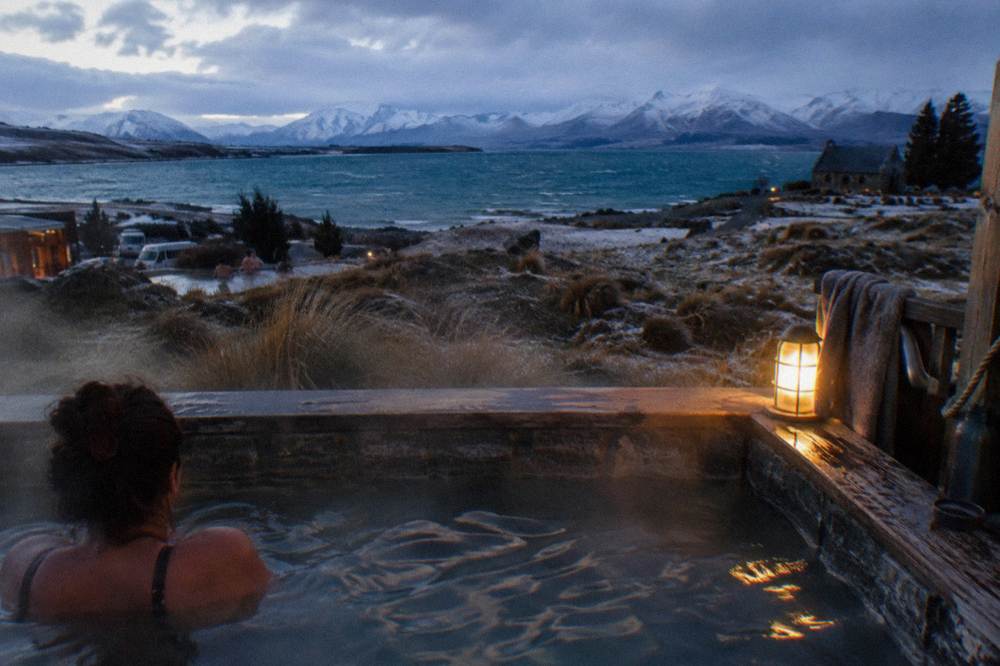
The hot-pool tour is unusually explicit. The Tekapo Star Gazing Soak in the Stars experience, from $101.55 per person, rated 4.3 across 121 reviews, runs even if some or none of the sky is visible, with an indoor session instead, and if less than 30 minutes of telescope viewing happens, a 25% refund applies. Guests also get exclusive night use of the hot pools in a group of no more than 32, a floating hammock and a warm blanket, meeting at Tekapo Springs at 300 Lakeside Drive. For a traveller who wants a good evening even if the sky fails, that structure is the closest thing to insurance in the category.
All 25 tours on this site are sold with free cancellation up to 24 hours before the start for a full refund, so a moon-perfect date can be booked early and adjusted without penalty inside that window. What cloud does to a booking, night by night, is unpacked in what happens if a Tekapo stargazing tour is cancelled for cloud.
Which Lake Tekapo Stargazing Tour Fits Which Season?
The short, village-based sessions suit midsummer's late starts, the budget alpine trip suits families and first-timers any season, and the summit and observatory experiences reward the darker, longer nights of autumn, winter and spring, when their telescopes and summit access get more working hours. Price spans $55.00 to $133.00 per person across the six stargazing products on this site.
Match the format to the season rather than the month to the dream. On a warm December night, a 90-minute village session that ends near midnight still gets you to bed at a reasonable hour. On a June night that is fully dark by 8 pm, the 1 hour 45 minute Mount John Summit Experience feels like the centrepiece of the evening rather than an endurance event, and the loaned extreme cold weather jacket earns its name.
| Tour | Duration | From price (per person) | Rating and reviews | Season it suits best |
|---|---|---|---|---|
| Chameleon Stargazing Experience | 1 hour 30 minutes | $72.00 | 4.9 across 788 | Midsummer's late starts; short, social, low commitment |
| Silver River Alpine Stargazing | 1 hour 15 minutes | $55.00 | 4.6 across 864 | Any season; budget, jackets included, max 10 guests |
| Go Tekapo Ultimate Stargazing | 2 hours | $124.24 | 5.0 across 17 | Long winter nights; biggest telescope, small group |
| Dark Sky Project Mount John Summit | 1 hour 45 minutes | $133.00 | 4.6 across 347 | Darker months; summit access, jacket, min age 10 |
| Dark Sky Project Cowan's Observatory | 1 hour 30 minutes | $80.88 | 3.9 across 91 | Families, any season; min age 5, sheltered craters |
| Tekapo Star Gazing, Soak in the Stars | 1 hour 30 minutes | $101.55 | 4.3 across 121 | Cloud-prone nights; hot pools run whatever the sky does |
The summit tour deserves its line of detail because it is the one product that changes character with the calendar. In deep winter the road up Mount John can be affected by weather and the viewing can be spectacular; in midsummer the same tour starts late and shares the night with lingering twilight. Booking it for a new-moon night between April and September, and holding the free-cancellation window as a backstop against a cloudy forecast, is about as close to a well-timed stargazing plan as this landscape allows.
How Should You Plan Around Daylight Saving At Lake Tekapo?
Daylight saving shapes the whole evening rhythm at Tekapo: it began on 27 September 2026 and ends in early April 2027, so summer tours start as late as 10 pm or after while autumn tours pull back toward early evening departures, and a traveller comparing dates across those months is comparing completely different schedules for the same tour.
The mechanics matter for trip planning more than most visitors expect. Between late September and early April, the clocks sit an hour forward, sunset lands between about 8 pm and 9:20 pm, and true darkness trails sunset by a further stretch, longest at the solstice. From early April, sunset retreats quickly, the hour comes off the clock, and a stargazing tour that starts after dark around 10 pm or later in midsummer can start in the early evening by midwinter. Anyone booking months ahead should check what their tour's typical departure looks like in their chosen month, not in the month the review they read was written.
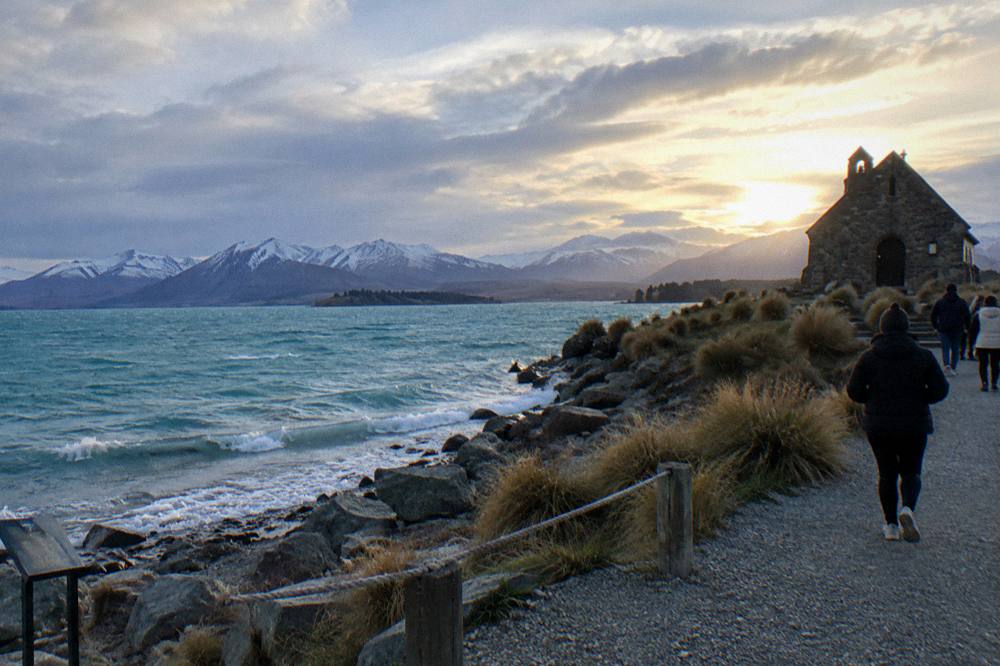
There is a second, quieter reason the clock matters. The council plans paid parking from 2027, and parking in 2026 is free, so visitors driving to a stargazing check-in this season face an easier logistical picture than the same trip a year later. Parking on Pioneer Drive near the lakefront is very limited in any case, and the nearest public toilets to the Church of the Good Shepherd, 400 m from the church on the village side of the footbridge, are pay-to-use, coin or card.
The lake itself is the constant through all of this. Its turquoise colour comes from glacial rock flour suspended in the water, and it sits at about 710 m above sea level, which is one reason the nights run cold: thinner air over an alpine lake sheds heat quickly once the sun drops. Dress for the altitude, not the season on the calendar.
Common Questions About Stargazing Timing At Lake Tekapo
What Is The Best Time Of Year For A Lake Tekapo Stargazing Tour?
There is no single best month. Around new moon the sky is darkest, winter gives the longest nights, and summer gives mild evenings with true darkness only from about 10 pm in December and January. Pick a new-moon window that suits your schedule and hold the free-cancellation period as cover for cloud.
When Is The Sky Darkest At Lake Tekapo?
Around new moon. New moon falls around 9 November 2026, 9 December 2026, 7 January 2027, 6 February 2027 and 8 March 2027, with full moon roughly a fortnight after each. A full moon washes out faint objects but still shows bright stars, planets and the moon itself well through a telescope.
What Time Do Tekapo Stargazing Tours Start?
Start times follow sunset, so they shift through the year: as late as 10 pm or after in midsummer and much earlier in winter. Check-in for the Dark Sky Project tours is 15 minutes before departure at the base, 1 Motuariki Lane, and same-day bookings are possible though spots are limited.
Is Winter Too Cold For Stargazing At Lake Tekapo?
Nights are cold at Tekapo even in summer, and snow is possible from June to August, but two of the stargazing tours provide warm jackets: the Silver River Alpine Stargazing experience and the Dark Sky Project Mount John Summit Experience. On the others, dress in serious layers as the operators advise.
Can A Tour Be Cancelled For Cloud?
Yes, weather is decided on the day. Each operator's own terms apply, from a different date or a full refund to an indoor alternative, and two state no weather policy, and every tour on this site states free cancellation up to 24 hours before the start for a full refund. No operator promises clear skies or the Milky Way.