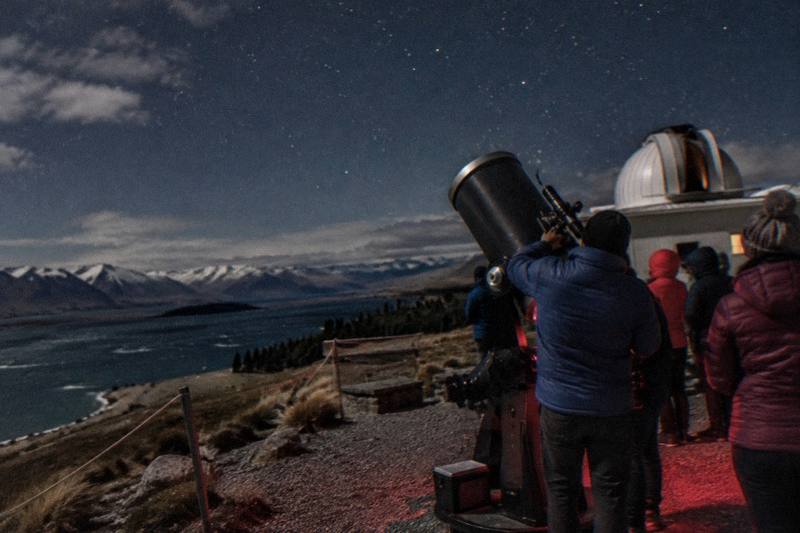
Can You See The Milky Way On A Tekapo Stargazing Tour?
Whether the Milky Way is visible on a Lake Tekapo stargazing tour depends on weather, moonlight and season. Here is what operators say, what the telescopes show and how to pick the right tour.
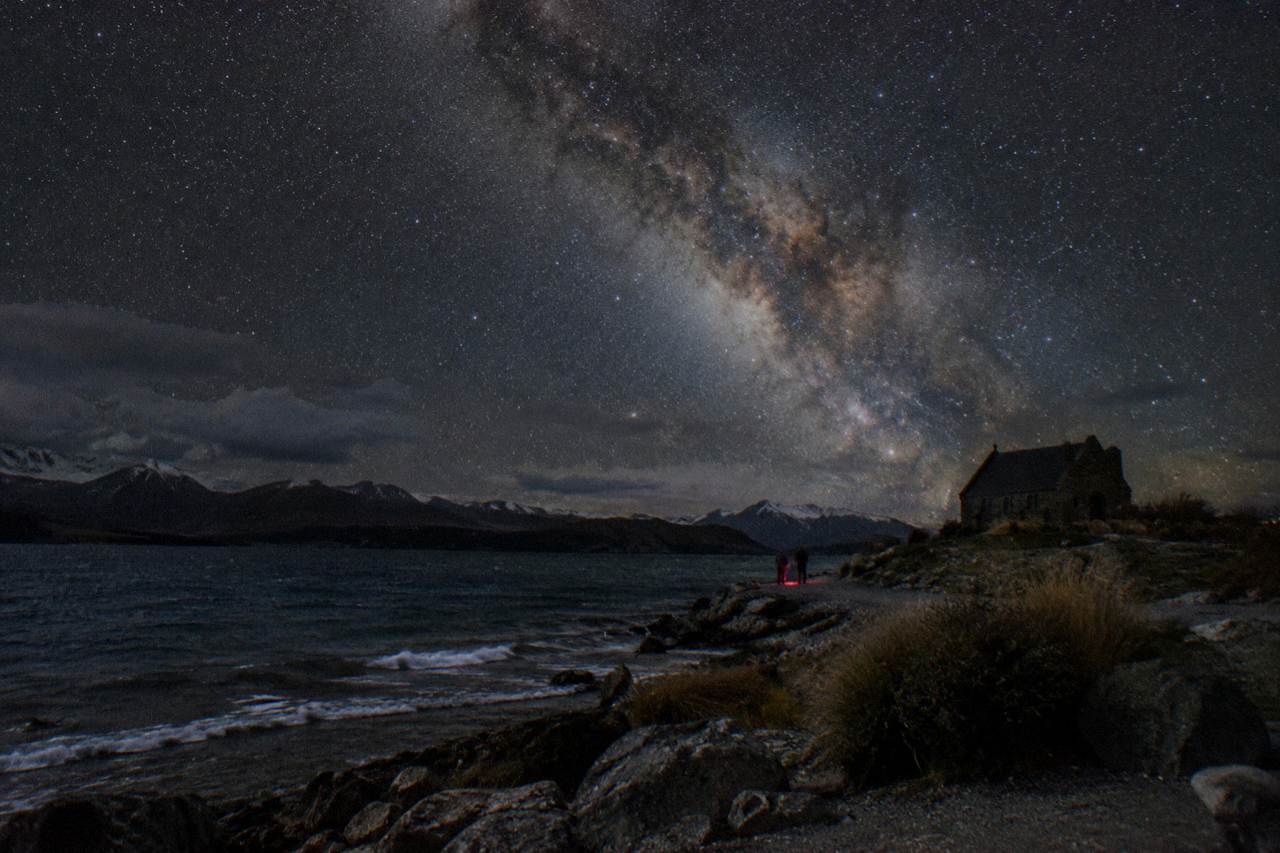
Often, yes, but never by guarantee. The Milky Way appears over Lake Tekapo when the sky is clear and the moon is small, and Tekapo's dark sky protection makes those nights unusually productive. Most operators covered here say they cannot guarantee what you will see, because weather and moonlight decide on the night. What a tour does guarantee is dark sky, a guide and a telescope. Since moonlight is the one factor you can plan around, the guide to moon phases and Milky Way season at Lake Tekapo helps you pick a night with the best odds.
That answer is more useful than it first sounds. Lake Tekapo sits inside the Aoraki Mackenzie Dark Sky Reserve, designated in 2012 as an International Dark Sky Reserve and covering 4,367 square kilometres of Aoraki / Mount Cook National Park and the Mackenzie Basin, according to the DarkSky International place page. Outdoor lighting controls in the basin date from the early 1980s, put in place to protect Mt John Observatory on the hill above the village. The practical effect for a visitor is simple: on a clear, moonless night the sky above Tekapo is darker than almost anywhere a city-based traveller has ever stood.
So the honest framing of the question is not "will I see it" but "what decides whether I see it". Three things do. Cloud cover, which the operator judges on the day. Moonlight, which follows a published cycle you can plan around. And the season, which sets how long the truly dark part of the night lasts. The rest of this article works through each of those, then matches them against the actual stargazing tours you can book from the village, using the prices, durations and review counts from the current tour set.
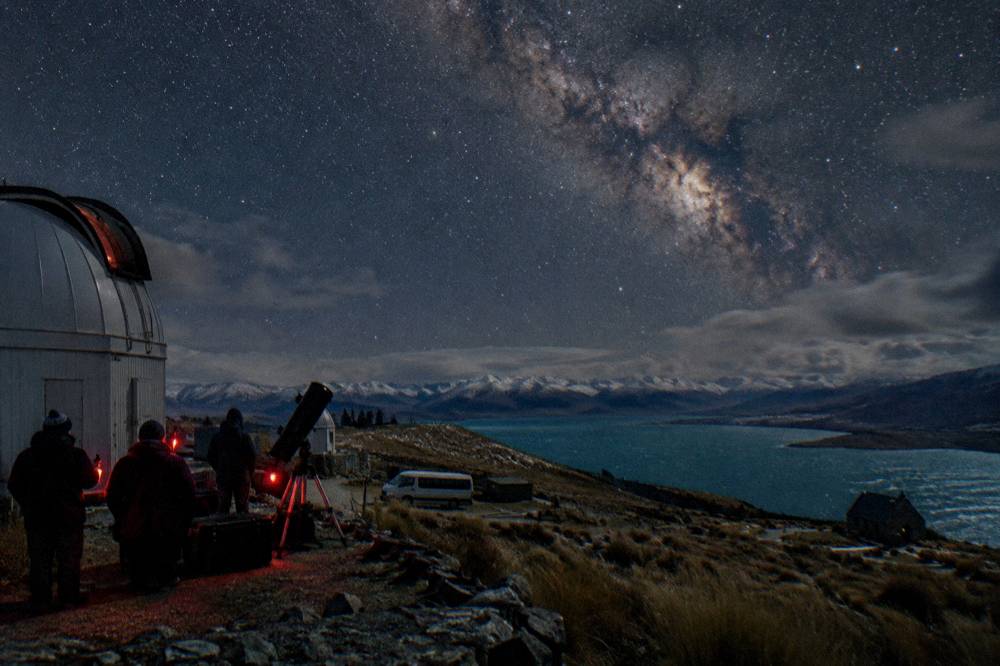
The reserve designation is what makes Tekapo a destination for this in the first place. The village sits at about 710 metres above sea level beside a glacial lake, well away from any large city, inside a reserve where the lighting rules have been tightening for four decades. Operators run tours seven days a week with times that follow sunset, and in December and January true darkness does not start until roughly 10 pm, which is exactly why the departure times drift through the year. If you arrive expecting an 8 pm winter-style start in midsummer, the schedule will correct you.
Before the detail, the short version of the tour market: the stargazing options from the village run from $55.00 per person to $133.00 per person, from 1 hour 15 minutes to 2 hours, and these three between them carry well over a thousand guest reviews. Here they are side by side.
When Is The Milky Way Visible At Lake Tekapo?
The Milky Way is visible at Lake Tekapo on clear nights when the moon is near new, and it is a southern-sky object here, so the core that observers rave about sits overhead through the cooler months. Around new moon the sky is dark; a full moon washes out faint objects the way city light does. Visibility is best described as frequent but conditional, and no date is promised by anyone.
The moon is the single biggest factor you can control when booking. Around new moon the sky is at its darkest; around full moon, faint structure in the Milky Way fades and the bright stars carry the show instead. For planning, new moon falls around 9 November 2026, 9 December 2026, 7 January 2027, 6 February 2027 and 8 March 2027, with full moon roughly a fortnight either side of those dates, around 24 November 2026, 24 December 2026, 22 January 2027, 21 February 2027 and 22 March 2027. These are approximate within a day, but the pattern is stable: if seeing the Milky Way band is the reason you are travelling, aim your nights at the new moon window and book a tour inside it. The sky does not switch off outside that window, but the faint dust lanes and the glow of the galactic core are dramatically easier to see when the moon is absent.
Season matters in a different way than most visitors expect. New Zealand daylight saving began on Sunday 27 September 2026 and ends in early April 2027, and summer nights start late: sunset at Tekapo is around 9 pm in December and about 9:20 pm at the solstice, with true darkness not arriving until roughly 10 pm in December and January. Winter inverts that. Nights are long, the sky is dark by early evening, and snow is possible from June to August, which is beautiful but cold, and nights are cold even in summer. Neither season guarantees anything, and the operators' own line, that the Milky Way depends on weather and moonlight, applies in July exactly as it does in January.
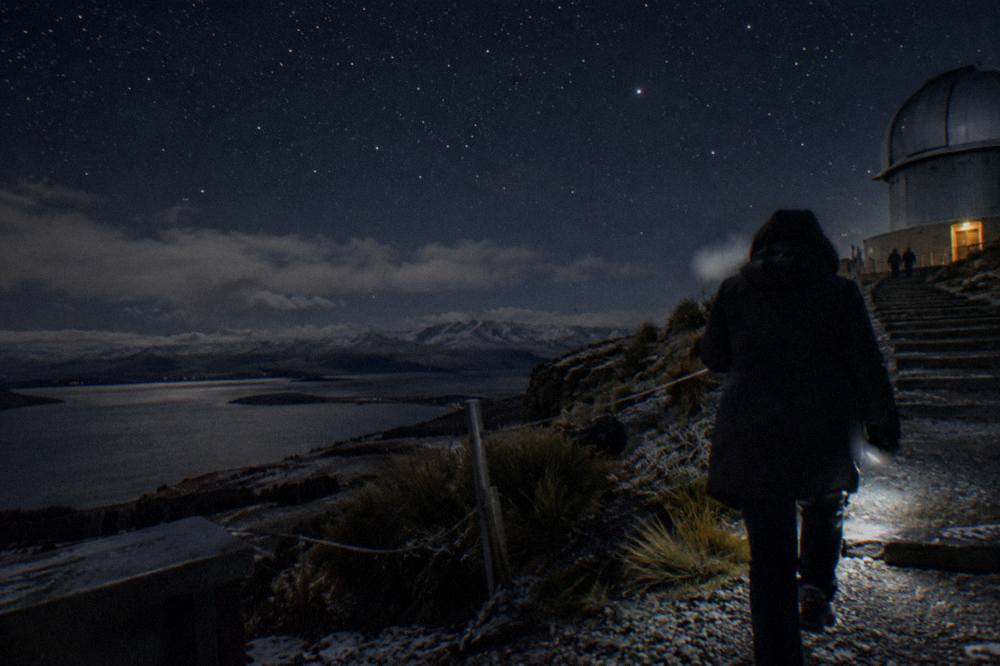
One more planning point that trips people up: the tour start times follow sunset, so a December booking is a genuinely late night, often finishing close to midnight, while a June booking can have you back at your accommodation before 9 pm. Families with children should weigh that carefully, since the Mount John Summit Experience carries a minimum age of 10 and the Cowan's Observatory tour a minimum age of 5, while several other tours do not state a minimum age at all. Booking pages for all of the tours covered here state free cancellation up to 24 hours before the start for a full refund, which takes some of the guesswork out of committing to a specific night.
What Does The Moon Do To A Tekapo Stargazing Tour?
A full moon brightens the sky enough to hide the Milky Way's fainter structure, while a new moon sky at Tekapo is dark enough that the band, cloud dust and galactic core can all appear to the naked eye. The moon rises and sets on a monthly cycle, so a long stay gives you moon-free windows even in a bright phase. Booking one night locks you to one sky.
It helps to understand why the moon matters so much here. Tekapo's advantage is natural darkness, not a light show. The reserve's lighting controls mean there is very little artificial glow to fight, so the sky's limiting factor becomes whatever brightness the moon and any cloud contribute. Under a full moon, the difference between Tekapo and an ordinary rural sky shrinks: you still get the bright constellations, planets and the moon itself through a telescope, but the faint band of the Milky Way loses most of its detail. Under a new moon, the same sky shows structure that many visitors have never seen with the naked eye anywhere.
A guest with three or four nights in the village has a real strategic choice. Booking one tour on one fixed night means accepting whatever the sky and moon deliver. Spreading the stay across a week, and especially anchoring it near a new moon, means at least some of your nights fall in the darkest part of the cycle, and you can hold a second or third night in reserve if the first is clouded. Operators run seven days a week, same-day bookings are possible but spots are limited, so a same-day rebook after a cloudy night can work when the schedule has room. That flexibility is the practical reason tours following sunset exist in the first place.
The moon is not the enemy, either. Moonlit tours show the landscape as well as the sky: a snow-dusted Mount John under a low moon is its own experience, and the telescopes will happily show planets and bright star clusters regardless. If your trip dates are fixed by flights rather than astronomy, take the tour anyway. Just calibrate expectations: near full moon, think "bright stars, planets and the moon through a good telescope", and near new moon, think "everything, possibly including the band overhead".
Which Tekapo Stargazing Tour Shows The Most?
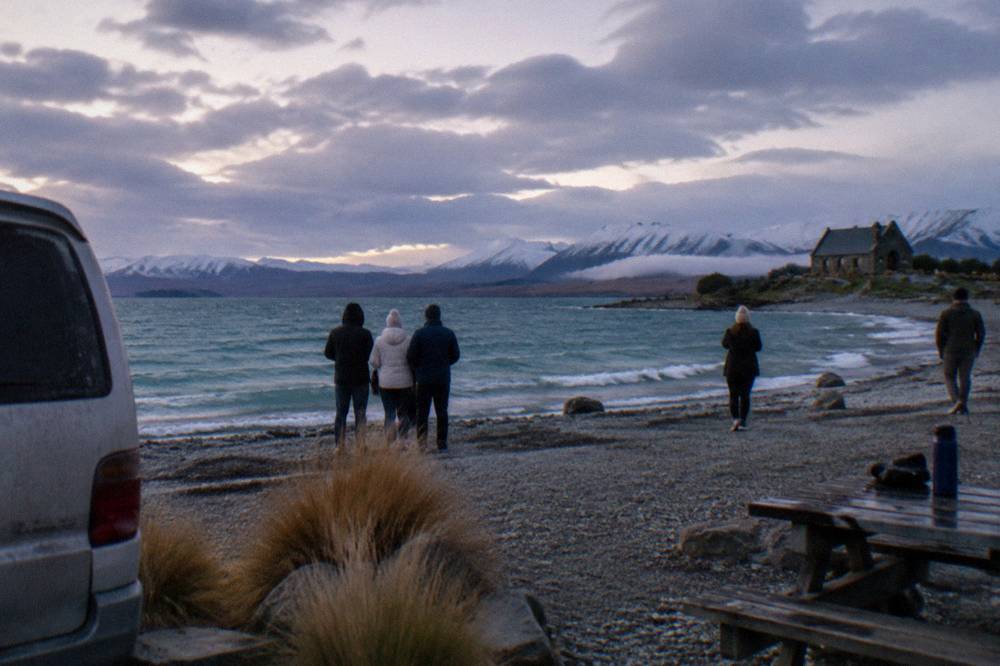
No tour can promise more Milky Way than another, because the sky is shared. What differs is the telescope, the elevation, the group size and the extras. The Mount John Summit Experience uses a 16 inch telescope in a dome at 1,029 metres; Silver River and Chameleon run open-air sessions with portable scopes; Tekapo Star Gazing pairs the sky with hot pools. The sky decides the rest.
The stargazing tours available from Lake Tekapo village, with the current listed figures, look like this:
| Tour | Operator | From (USD, per person) | Duration | Rating | Group max |
|---|---|---|---|---|---|
| Alpine Stargazing Experience with a Guide | Silver River Stargazing | $55.00 | 1 hour 15 minutes | 4.6 from 864 reviews | 10 |
| Stargazing Experience | Chameleon Stargazing | $72.00 | 1 hour 30 minutes | 4.9 from 788 reviews | Not stated |
| Stargazing Experience at Cowan's Private Observatory | Dark Sky Project | $80.88 | 1 hour 30 minutes | 3.9 from 91 reviews | 22 |
| Tekapo Star Gazing Tour - Soak in the Stars | Tekapo Star Gazing | $101.55 | 1 hour 30 minutes | 4.3 from 121 reviews | 34 |
| Ultimate Stargazing Experience | Go Tekapo | $124.24 | 2 hours | 5.0 from 17 reviews | 10 |
| Mount John Summit Stargazing Experience | Dark Sky Project | $133.00 | 1 hour 45 minutes | 4.6 from 347 reviews | Not stated |
Read that table as a menu of formats, not a ranking of skies. The Alpine Stargazing Experience with a Guide is the most reviewed stargazing tour here at 864 reviews and also the cheapest per person at $55.00, capping groups at 10 and lending warm down jackets; it runs 1 hour 15 minutes and includes roundtrip transport from the check-in office to the stargazing site. The Chameleon Stargazing Experience is the highest rated tour on the site with more than 100 reviews, 4.9 across 788, at $72.00 for 1 hour 30 minutes, and it meets at 70 Andrew Don Drive, a four-minute drive from the village centre, with hot chocolate and marshmallows around a fire bowl; hotel pickup is not included. That tour is covered in detail in the Lake Tekapo stargazing tour guide, which also compares the family formats.
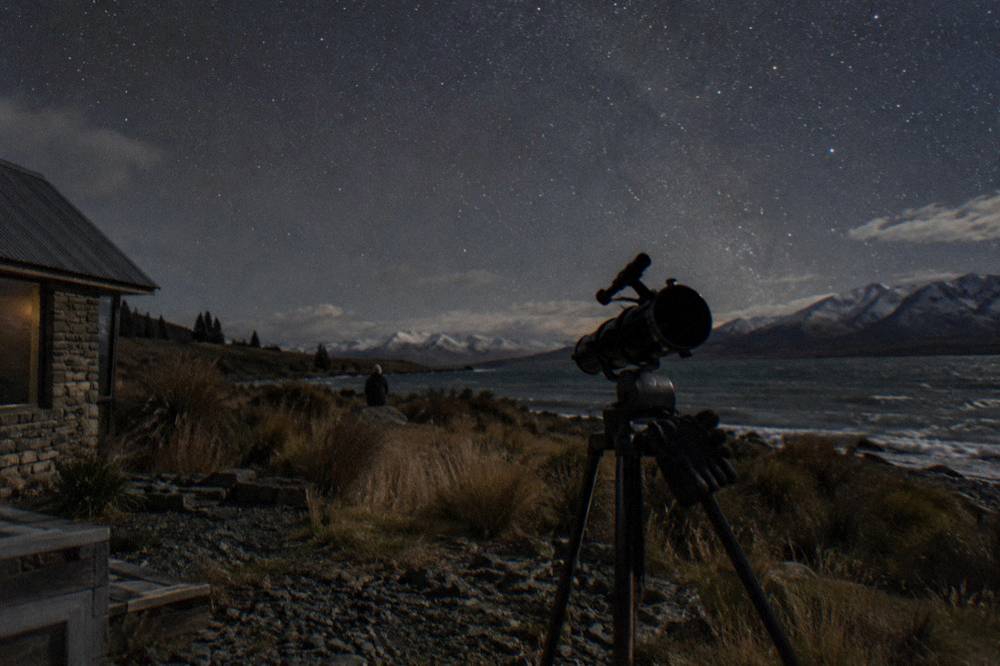
The Mount John Summit Stargazing Experience is the elevation play. It runs 1 hour 45 minutes, includes return transport between the Dark Sky Project base at 1 Motuariki Lane and the summit, carries a minimum age of 10, and provides extreme cold weather jackets. The summit sits at 1,029 metres with exclusive access to the observatory summit, reached by a roughly 15 minute bus ride from the village, then a walk of about 100 metres up a gravel incline plus a few steps in the dark. Whether the extra height visibly changes the Milky Way on a given night is not something anyone can promise, but the dome telescope is the largest of the set. More on that below.
For something completely different, the Tekapo Star Gazing Tour pairs a guided sky session with exclusive night use of the Tekapo Springs hot pools in groups of up to 32, with a floating hammock and a warm blanket for the outdoor sky portion. It runs 1 hour 30 minutes from $101.55, minimum age 10, and township pickup is on request only, subject to availability. Hot pool use is part of the ticket.
What Do The Telescopes At Tekapo Actually Show?
The Mount John summit tour uses a 16 inch telescope inside a dome; Cowan's Private Observatory uses 14 inch telescopes in sheltered craters; Silver River's guided session uses 14 inch modern scopes; Go Tekapo's Ultimate tour lists a 16 inch telescope. Through any of them, the Milky Way resolves from a band into stars, dust and clusters.
Telescope size, in inches, refers to the aperture, the diameter of the light-gathering mirror or lens. Bigger aperture gathers more light, which means fainter objects become visible and fine detail sharpens. The jump from naked eye to even a modest telescope is the dramatic one: the Milky Way band, which the eye reads as a soft river of light, resolves into thousands of individual stars with dark dust lanes running through it, and objects like the Eta Carinae Nebula or the Jewel Box cluster stop being catalogue names and become things you can see. The operators here use serious instruments, and the guides point them at whatever the night offers.
A few mechanical differences are worth knowing before you book. The Mount John dome session happens at the University of Canterbury's working observatory, with the telescope in a dome, photos allowed with the flash off, and the session not wheelchair accessible. Cowan's Private Observatory, a five minute drive from the Dark Sky base with return transport included, spreads guests across sheltered private craters with 14 inch telescopes and handheld lasers the guides use to trace constellations; it allows children from age 5, the youngest minimum of the set. Silver River's session includes the loan of warm down jackets and a link to a digital photo. The Go Tekapo Ultimate tour, 2 hours at $124.24 with a group max of 10, lists a 16 inch large telescope and a photo of you under the stars, weather dependent, checking in inside the information centre at 12 Rapuwai Lane.
None of these telescopes can beat cloud, and none can dim the moon. What they do is make the most of whatever darkness the night supplies, which is why the operators all frame their promises the same way: powerful equipment, expert guides, and a sky that the operator says it cannot guarantee.
Does Winter Or Summer Matter For Seeing The Milky Way?
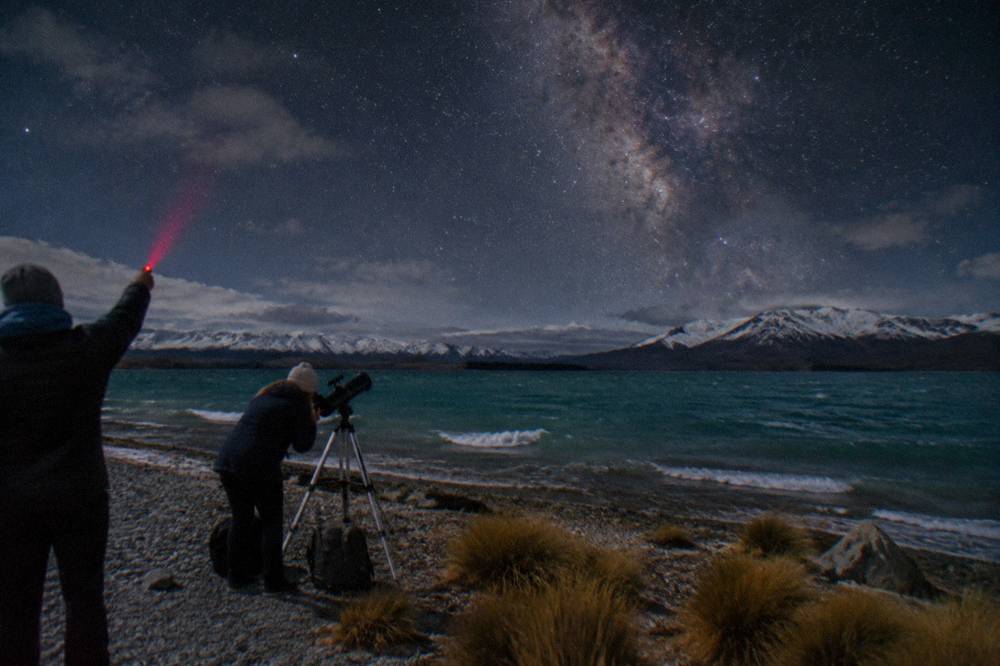
Qualitatively, yes. Winter nights are long and dark by early evening, and the Milky Way's bright core rides high in southern winter skies, while summer darkness starts around 10 pm in December and January. Neither season promises a clear night, and the operators make no seasonal guarantees. There is no "best month" claim worth making.
The seasonal logic is straightforward. In the southern winter months, the part of the Milky Way that contains the galactic core is well placed for much of the night, and true darkness arrives early, so a tour that follows sunset starts at a civilised hour and runs under a properly dark sky. In summer, the same sky is there, but you wait longer for it: sunset around 9 pm in December means tours start late and true darkness begins roughly 10 pm, and the warmest nights are still cold on a hilltop after dark. Snow is possible from June to August, and nights are cold even in summer, a point the operators repeat because visitors keep under-dressing. The guide to what to wear on a Lake Tekapo stargazing tour covers this in depth.
The trade is comfort against convenience. A June tour is early, dark and freezing, with a real chance of snow on the access road to the summit. A January tour is mild by comparison but starts close to 10 pm and finishes after midnight, which matters if children are booked on the age-10 minimum tours or if you are driving the next morning. Both months can produce a spectacular sky or a whiteout, and booking pages for all the tours here state free cancellation up to 24 hours before the start for a full refund, which is the operator-side answer to the uncertainty.
What no season gives you is certainty about cloud. Lighting controls across the Mackenzie Basin help keep Mt John Observatory's skies dark, but weather still decides on the day, and the NZTA Journey Planner is worth a look on the day for the roads if you are self-driving to a meeting point. Aim for the new moon window if you can, take whatever season your trip allows, and treat the sky as the variable it is.
What Happens If Cloud Covers The Sky?
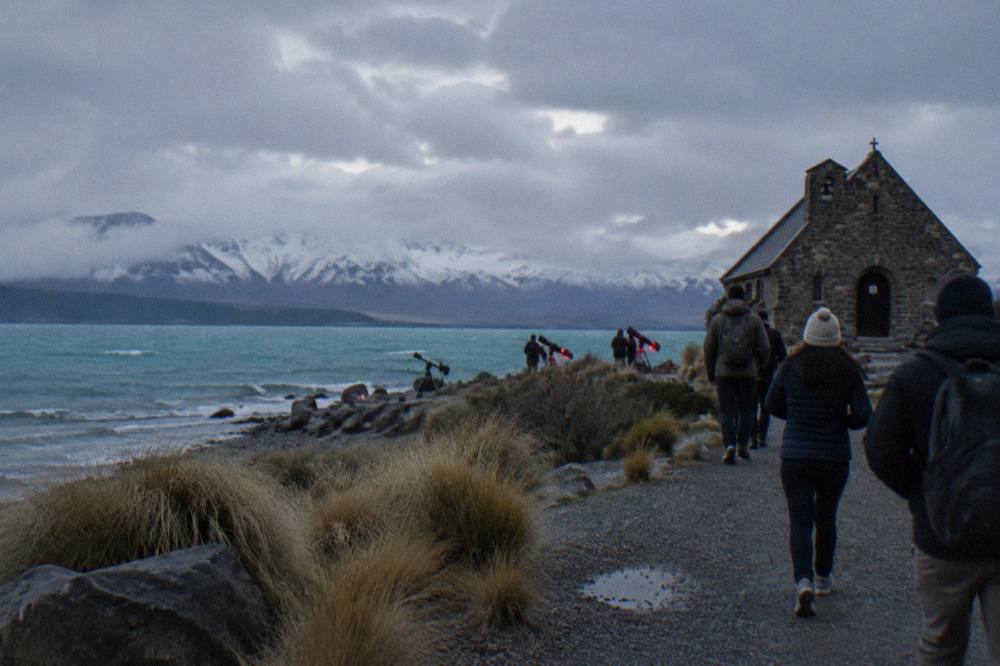
Each operator handles weather on the day. The Dark Sky Project offers an indoor alternative, a reschedule subject to availability, a voucher or a refund when outdoor stargazing is not possible; the Tekapo Star Gazing hot-pool tour runs even under cloud with an indoor session, and a 25% refund applies if under 30 minutes of telescope viewing happens. The Air Safaris listing gives a full refund if the operator cancels for weather.
The detail matters here because a cloudy night is not automatically a lost booking. For the Dark Sky Project's two tours, the weather call is made on the day, and the operator says guests offered an alternative night-time indoor experience are not getting the same product as the outdoor tour, nor a guaranteed sky view; a reschedule, voucher or refund are the alternatives. The operator publishes no fixed cancellation hours, so do not assume any. For the Tekapo Star Gazing Soak in the Stars tour, the booking page is unusually specific: tours run even if some or none of the sky is visible, with an indoor session instead, and poor weather such as snow, extreme ice or lightning that cancels the tour earns an alternative date or a full refund, with a 25% refund when under 30 minutes of telescope viewing occurs.
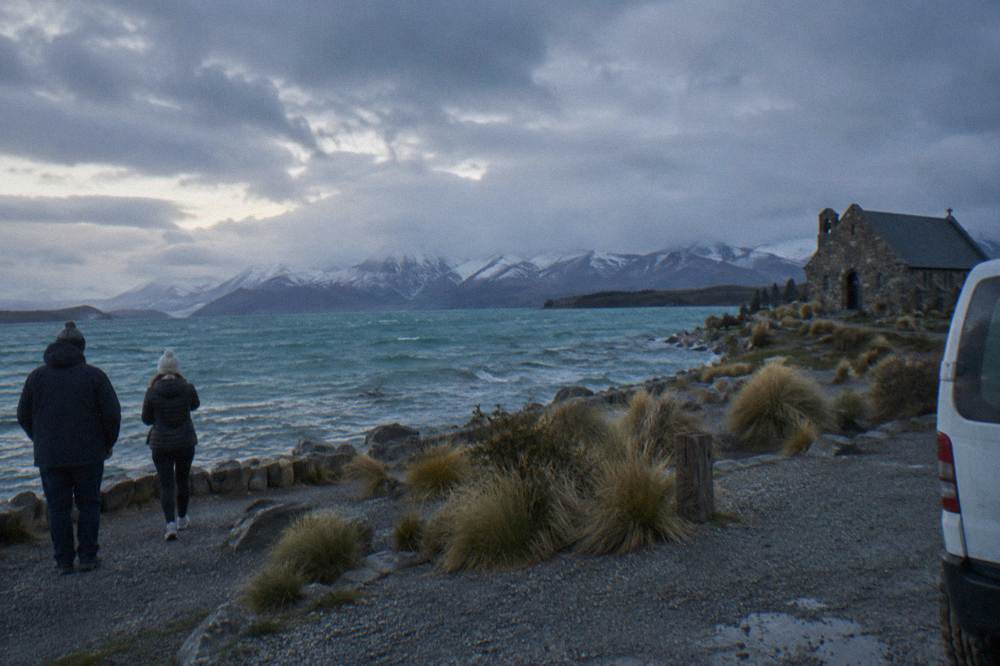
The stargazing-specific weather logic is covered question by question in the guide to Lake Tekapo stargazing tour weather and cancellations, including what each operator says about the alternatives. The general principle across every tour covered by this site: weather decisions belong to the operator on the day, reschedule or refund options follow what each operator states, and the free cancellation wording on the booking pages (up to 24 hours before the start, full refund) is your lever before the day arrives.
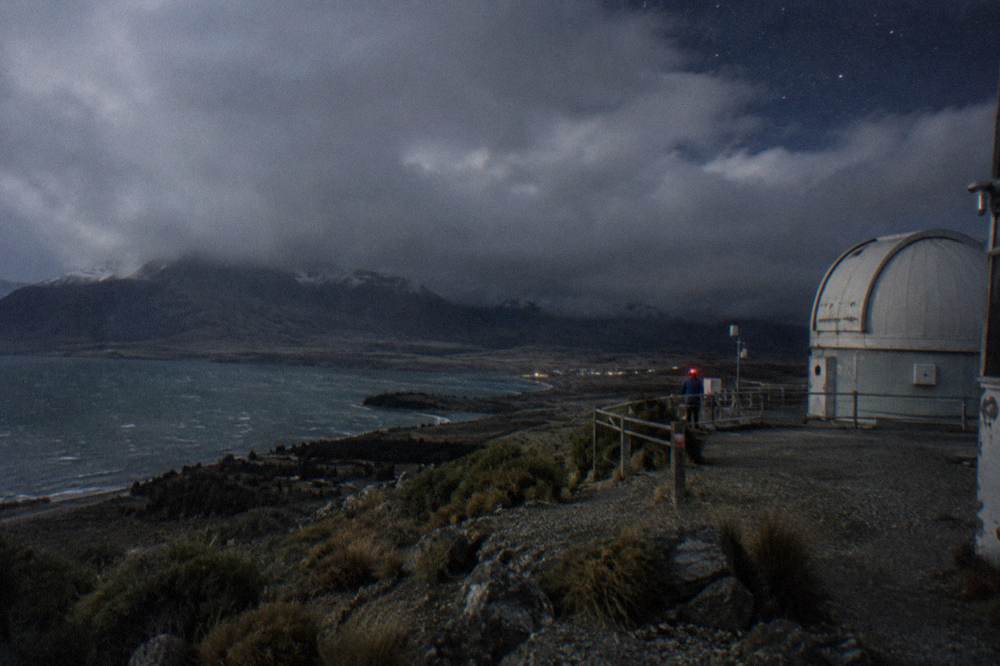
A practical tip from the way these tours are structured: book your stargazing night early in your stay, not on the last night. If cloud rolls through, an early booking leaves you nights in reserve to rebook, and same-day bookings are possible though spots are limited. A last-night booking has no fallback. The moon calendar above does the rest of the work: new moon window, early in the stay, and you have given yourself the best statistical shot at the Milky Way that planning can provide.
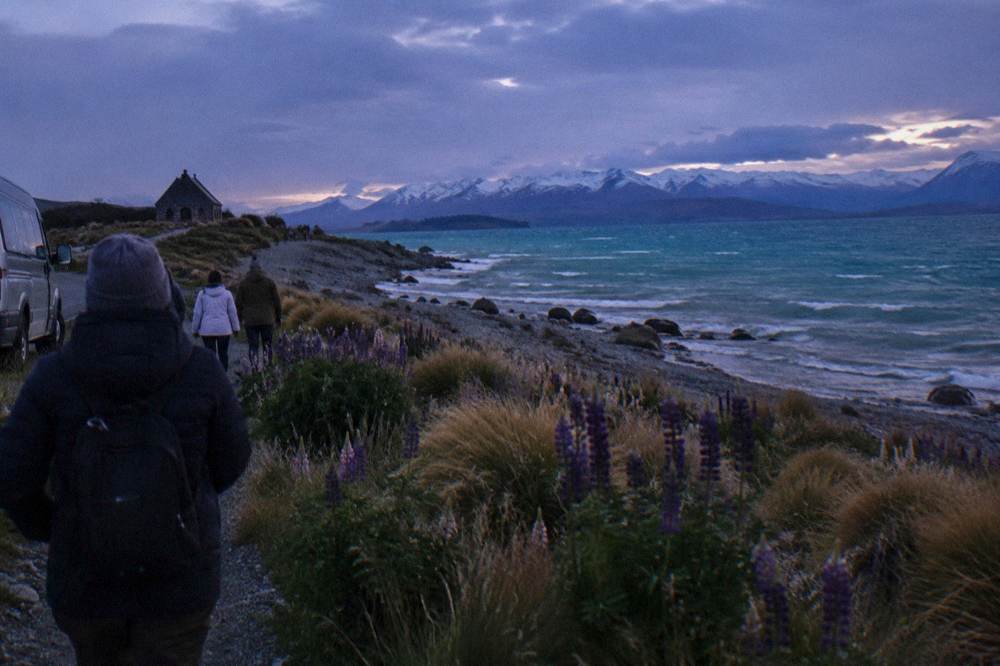
Is A Milky Way Night At Tekapo Worth Booking A Tour For?
Yes, for most visitors, because the telescope, the guide and the dark site together show far more than the roadside view, and Tekapo's reserve status makes those nights count. The stargazing tours here run from $55.00 per person, all state free cancellation up to 24 hours before the start, and the most reviewed carry hundreds of reviews each. The sky remains the deciding vote.
It is fair to ask whether you can just walk to the lake shore and look up, and on a clear new moon night, you can, and it is genuinely good; there is a whole discussion of that in the post on whether there is a free place to stargaze at Lake Tekapo. What a tour adds is threefold. First, aperture: a 14 or 16 inch telescope resolves the Milky Way into individual stars and shows nebulae and clusters the naked eye cannot. Second, a guide who can name what you are looking at, trace constellations with a laser, and move the scope to whatever is best placed that night. Third, warmth logistics: jackets on two of the tours, hot drinks on several, and transport to sites a visitor without a car would struggle to reach at 11 pm in winter.
The site behind this article, Lake Tekapo Day Tours, covers the full range of ways to see the area, from day trips out of Christchurch and Queenstown to the flights and backcountry tours, and the stargazing pages exist because the night sky is the reason many people come at all. Whether the Milky Way shows itself on your particular night is the one thing no operator will promise, and the honest position is that the reserve's darkness, a small moon, a clear sky and a good telescope together make it likely rather than certain.
If the goal is the best shot at the band overhead, the combination that planning controls is simple: travel in the cooler months or at least outside the full moon window, book early in your stay, choose a tour with the telescope format you want, and hold a spare night. The sky does the rest, and at Tekapo the sky starts from a stronger position than almost anywhere else you could stand. For the broader decision, the post on whether a Tekapo stargazing tour is worth it weighs cost against what each format includes.
The Go Tekapo Ultimate tour above is the 2 hour option with the 16 inch telescope and a group cap of 10, at $124.24 per person, 5.0 across 17 reviews. For a different format entirely, the hot-pool pairing below runs 1 hour 30 minutes at $101.55 and includes the pools, the hammock and the indoor fallback when the sky is cloudy.
Common Questions About Seeing The Milky Way At Tekapo
Can You See The Milky Way On A Tekapo Stargazing Tour?
Often, yes, when the sky is clear and the moon is small, and no operator promises it. The Milky Way depends on weather and moonlight, and most tours here note that plainly. Tekapo's dark sky reserve status makes those good nights unusually dark, so the odds on a clear, moonless night are as good as anywhere in New Zealand.
What Is The Best Time To Stargaze At Lake Tekapo?
Around new moon, when the sky is darkest, and outside the full moon fortnight. New moon falls around 9 December 2026, 7 January 2027, 6 February 2027 and 8 March 2027. Winter nights are dark by early evening; in December and January true darkness starts roughly 10 pm, so tour times follow sunset and run late.
Do The Tekapo Stargazing Tours Provide Warm Jackets?
Two of them do: the Silver River Alpine Stargazing Experience and the Dark Sky Project Mount John Summit Experience, which lends extreme cold weather jackets. The other tours state nothing about jackets, so dress warmly regardless, since nights are cold even in summer.
What Happens If It Is Cloudy On My Stargazing Night?
The operator decides on the day. The Dark Sky Project offers an indoor alternative, a reschedule subject to availability, a voucher or a refund. The hot-pool tour runs even under cloud with an indoor session, and a 25% refund applies when under 30 minutes of telescope viewing happens. Booking pages state free cancellation up to 24 hours before the start for a full refund.
Can You See The Milky Way Without A Tour At Lake Tekapo?
Yes, on a clear moonless night the lake shore is dark enough for a good naked-eye view. A tour adds a large telescope, a guide and warm-gear logistics, which is why most visitors who travel for the sky end up booking one. The free options are worth knowing about either way.