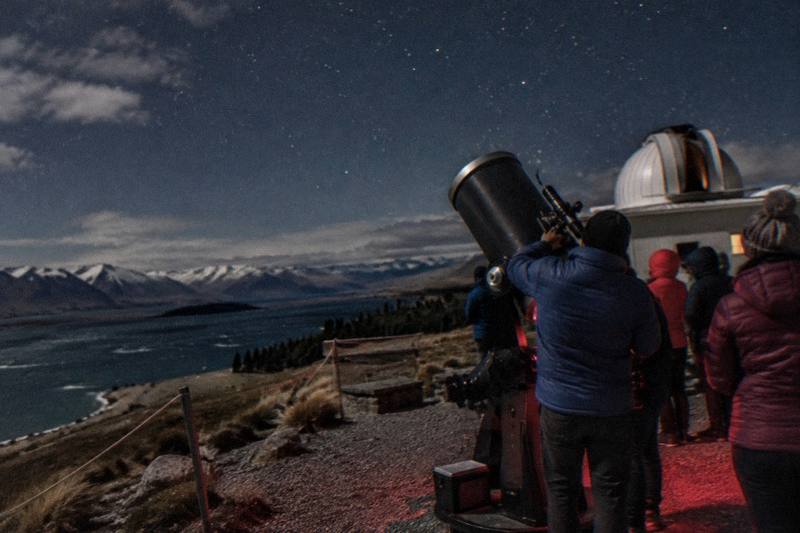
What To Wear On A Lake Tekapo Stargazing Tour
Lake Tekapo sits at about 710 m above sea level, and the Dark Sky Project itself warns that nights are cold even in summer. What you wear decides whether a stargazing tour feels magical or miserable.
Short answer
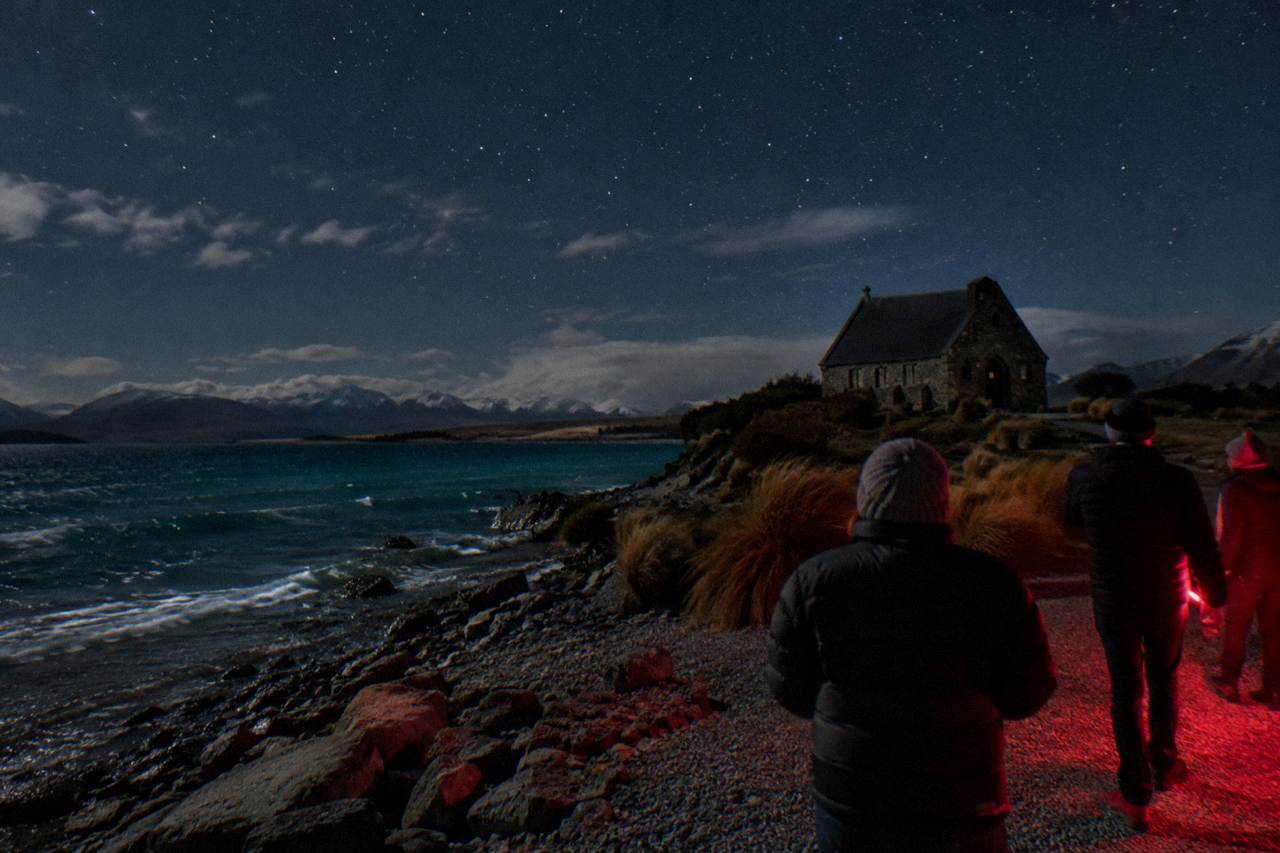
Dress in four warm layers with a windproof outer shell, a hat and gloves, and closed shoes you can stand in on gravel for an hour or more. Two of the six Tekapo stargazing tours supply warm jackets, the Silver River Alpine tour from $55.00 and the Dark Sky Project Mount John Summit tour from $133.00. Bring a beanie regardless.
Lake Tekapo sits at about 710 m above sea level in the Mackenzie Basin, high enough that the Dark Sky Project tells its own guests that nights are cold even in summer. That single fact shapes every clothing decision on this page. A stargazing tour here is a stationary, outdoor, night-time activity: you stand or sit still beside a telescope for an hour or more, and still bodies lose heat fast. Snow is possible on the basin between June and August, and summer nights, mild as they feel at dinner, drop sharply once the sun is gone. Some operators hand out padded jackets at check-in while others expect you to arrive dressed for the cold, a difference the comparison of Lake Tekapo stargazing tours spells out alongside prices, telescopes and group sizes.
The good news is that two of the six stargazing tours based at Lake Tekapo supply warm jackets as part of the ticket, one supplies blankets and seating, and one builds a hot pool into the experience itself. This guide covers what to wear on each of them, what to bring in a small pack, and the small dress-code points, dark clothing and light discipline, that make you a welcome guest at a telescope site rather than the person whose phone screen costs the whole group their night vision. The Lake Tekapo Day Tours site covers every stargazing tour running from the village, so the clothing advice below is matched tour by tour to what each operator actually provides.
What Should You Wear Stargazing At Lake Tekapo?
Dress as if the night will be much colder than the forecast, in four layers: a merino or synthetic base layer, a warm mid layer such as a fleece or puffer, a long outer layer, and a windproof shell on top, with a hat, gloves, warm trousers and closed shoes. Lake Tekapo's elevation of about 710 m means heat drops away quickly after sunset, and most tours involve standing still outdoors.
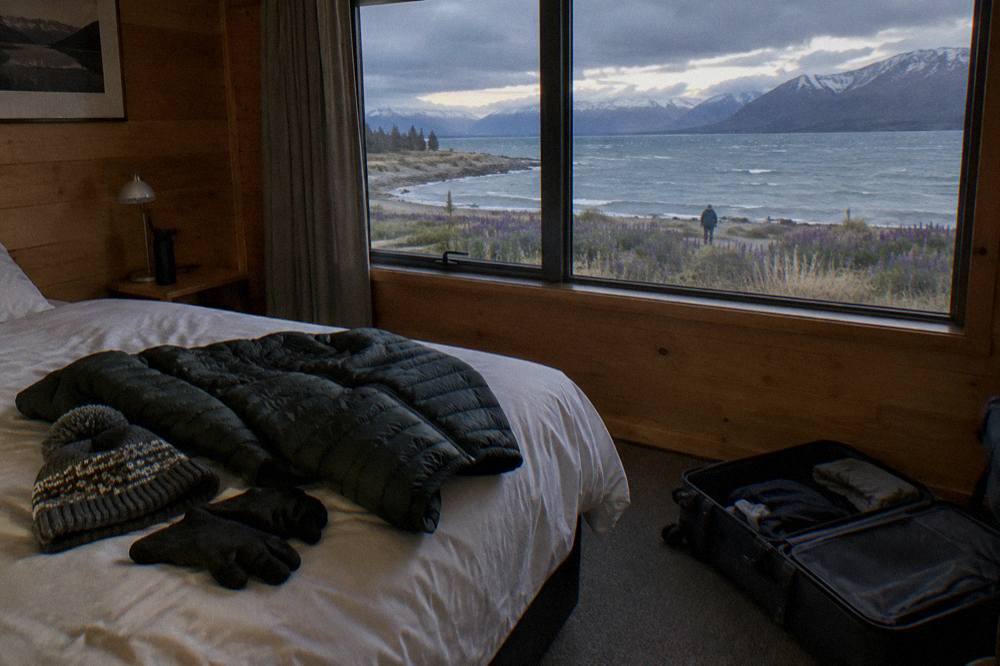
The four-layer system matters more than the quality of any single item. A base layer of merino or synthetic fabric traps warmth against the skin and keeps working if you sweat on the walk to the site. Cotton is the fabric to leave at the hotel: it holds moisture, and damp cotton next to skin at altitude turns cold fast. A fleece or light puffer over the base gives the main insulation, and a windproof outer shell stops the basin's evening breeze from stripping that insulation away. Warm trousers beat jeans for the same reason.
Footwear gets less attention than it deserves. The Silver River Alpine tour caps groups at 10 and runs at an outdoor stargazing site reached by a short vehicle transfer, while the Dark Sky Project Summit Experience includes a walk of about 100 m up a gravel incline plus a few steps in the dark. Neither is a hike, but both ask for closed, flat shoes with grip. Watch-style accessories that light up, glowing trainers and anything reflective-flashy are better left behind; the Dark Sky Project asks summit guests not to wear light-up clothing, because stray light ruins dark-adapted eyes around the telescopes.
Budget for the fact that you will be wearing these clothes in a vehicle too. Several tours begin with a check-in and a short transfer, so a layer you can open or remove in the van keeps you from arriving at the telescope already either sweaty or frozen. The tour durations range from 1 hour 15 minutes to 2 hours, but with check-in 15 minutes before departure and travel to the site, plan on being in your outfit for closer to two and a half to three hours door to door.
How Cold Does It Get On A Tekapo Stargazing Night?
Cold enough that the Dark Sky Project warns guests nights are cold even in summer, and snow is possible in the basin from June to August. The village sits at about 710 m, tour start times follow sunset, around 9 pm in December and closer to 9:20 pm at the solstice, and in December and January true darkness arrives roughly at 10 pm, so you are outdoors in the coldest part of the day.
Summer visitors are the ones most often caught out. A warm evening by the lake in January says nothing about the hour after full dark, when radiational cooling drops temperatures sharply under clear skies, and clear skies are exactly the condition a stargazing tour hopes for. The same clear, still night that makes the stars sharp makes the ground cold. Winter visitors arrive expecting it, and usually pack properly; it is the January traveller in a light jumper who ends up back in the vehicle early.
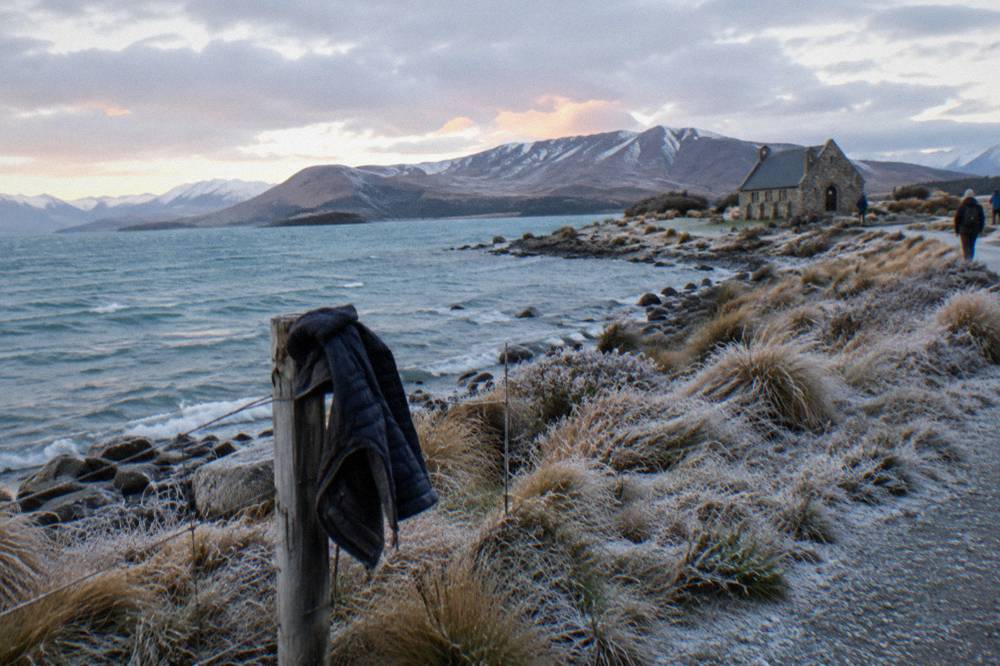
Season changes the accessories more than the system. In the lupin months of late November through early January, nights are the shortest of the year, so a tour can start around 10 pm and still feel long if you are underdressed, but a beanie, scarf and gloves cover the gap. From June to August, add thermal leggings under trousers, proper gloves, thick socks and waterproof shoes, because snow is possible and the ground at any stargazing site will be frozen or wet. The International Dark Sky Association's reserve designation for the Mackenzie Basin is built on decades of outdoor lighting controls, which is also why the village is so dark, and so cold-feeling, at night.
Moon phase is worth a glance when you book, not for warmth but for planning. Around new moon the sky is darkest, while a full moon washes out faint objects, and new moon falls around 9 November 2026, 9 December 2026 and 7 January 2027. A darker night often means a longer session at the eyepiece, standing still longer, so the darkest nights are precisely the ones that reward your warmest kit. The guide to stargazing tour weather and cancellations covers what happens when cloud rolls in.
The table below shows the full set of night-sky tours running from Lake Tekapo with what each one costs and lasts, so you can match your outfit to the tour you actually hold a ticket for.
| Tour | Operator | From (USD) | Duration | Rating and reviews |
|---|---|---|---|---|
| Lake Tekapo: Alpine Stargazing Experience with a Guide | Silver River Stargazing | $55.00 per person | 1 hr 15 min | 4.6 across 864 reviews |
| Lake Tekapo: Stargazing Experience | Chameleon Stargazing | $72.00 per person | 1 hr 30 min | 4.9 across 788 reviews |
| Stargazing Experience at Cowan's Private Observatory | Dark Sky Project | $80.88 per person | 1 hr 30 min | 3.9 across 91 reviews |
| Tekapo Star Gazing Tour - Soak in the Stars | Tekapo Star Gazing | $101.55 per person | 1 hr 30 min | 4.3 across 121 reviews |
| Lake Tekapo Ultimate Stargazing Experience | Go Tekapo | $124.24 per person | 2 hours | 5.0 across 17 reviews |
| Lake Tekapo: Mount John Summit Stargazing Experience | Dark Sky Project | $133.00 per person | 1 hr 45 min | 4.6 across 347 reviews |
For a closer look at the two Dark Sky Project options listed above, the guide to the Dark Sky Project Tekapo stargazing experiences covers prices, age limits, jackets, and weather rules.
Which Stargazing Tours Provide Warm Jackets?
Exactly two of the six stargazing tours at Lake Tekapo include a warm jacket: the Silver River Stargazing Alpine experience, from $55.00 per person, which supplies warm down jackets and caps groups at 10, and the Dark Sky Project Mount John Summit experience, from $133.00 per person, which loans Extreme Cold Weather jackets and sets a minimum age of 10. The other four ask you to bring your own layers.
That distinction is worth money. On the two jacket tours you can travel lighter, though a beanie and gloves still belong in your pocket, because jackets cover the torso only and the summit tour in particular runs at altitude on Mount John, where the operator supplies the jacket precisely because the cold is serious. The Silver River Alpine tour, the most reviewed stargazing product in the village at 4.6 across 864 reviews, includes roundtrip transport from the check-in office at 12 Rapuwai Lane to the stargazing site plus the jackets and use of 14 inch modern telescopes.
The Dark Sky Project Summit Experience is the other jacket tour: 1 hour 45 minutes including the bus ride from the base at 1 Motuariki Lane, exclusive access to the Mount John Observatory summit at 1,029 m, an expert astronomy guide, and the Extreme Cold Weather jacket as part of the ticket. Summit access is included, hotel pickup is not, and the minimum age is 10. Guests need moderate fitness for that short gravel incline, and photos are allowed with the flash off, which is the standing etiquette at every telescope site in the basin.
For the remaining four tours, your own layers carry the night. The Chameleon Stargazing experience at 70 Andrew Don Drive supplies outdoor seats, pillows, mattresses and blankets, plus hot chocolate, with lactose-free and gluten-free options on request, and marshmallows over a fire bowl. Blankets help enormously, but a blanket over a T-shirt is still a cold torso; treat the provided blankets as a top layer over your own insulation, not a substitute for it. The Chameleon tour is the highest rated stargazing experience in the village with more than 100 reviews, at 4.9 across 788.
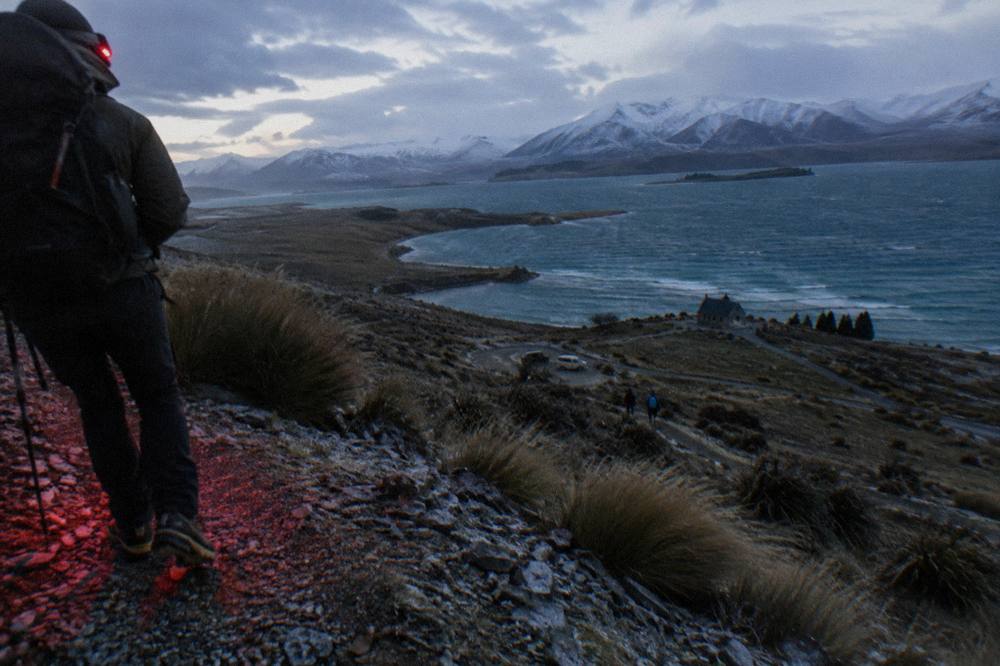
The Cowan's Private Observatory tour, also from the Dark Sky Project base, simply tells guests to dress warmly; a jacket is not part of that ticket. The Go Tekapo Ultimate experience, 2 hours with a 16 inch telescope and a capped group of 10, lists a photo under the stars and an air-conditioned vehicle among its inclusions but no warm kit. And the Soak in the Stars hot pool tour supplies a warm woolen blanket for the outdoor stargazing portion and swimwear, robes and towels are available to borrow, which is its own kind of kit list entirely.
| Tour | Warm kit supplied | Your own essentials |
|---|---|---|
| Silver River Alpine | Warm down jackets | Beanie, gloves, closed shoes |
| Dark Sky Project Summit | Extreme Cold Weather jacket | Beanie, gloves, grippy shoes for gravel |
| Chameleon | Seats, pillows, mattresses, blankets, hot chocolate, fire bowl | Full layers underneath the blankets |
| Cowan's Private Observatory | None stated; dress warmly | Full winter layers |
| Go Tekapo Ultimate | None stated | Full winter layers |
| Soak in the Stars | Woolen blanket; towels and robes to borrow; hot pools part of ticket | Swimwear, dry warm layers for after the pools |
One practical note on the hot pool tour: you will be wet and then outside at night, so the after-pool outfit matters as much as the swimsuit. A dry base layer, a hat and something thick for the feet turn the floating hammock and telescope session from a shiver into a treat. The tour runs even when the sky is cloudy, with an indoor session instead, and pickup from the township is on request and subject to availability.
What Should Go In Your Day Pack For A Stargazing Night?
Pack small: a beanie, gloves, a scarf or buff, thick socks, a small torch, water, and any medication. Keep the bag light, because most stargazing tours involve a short transfer and standing room beside a telescope rather than a seat for your belongings, and the Soak in the Stars tour has wet-pool logistics of its own.
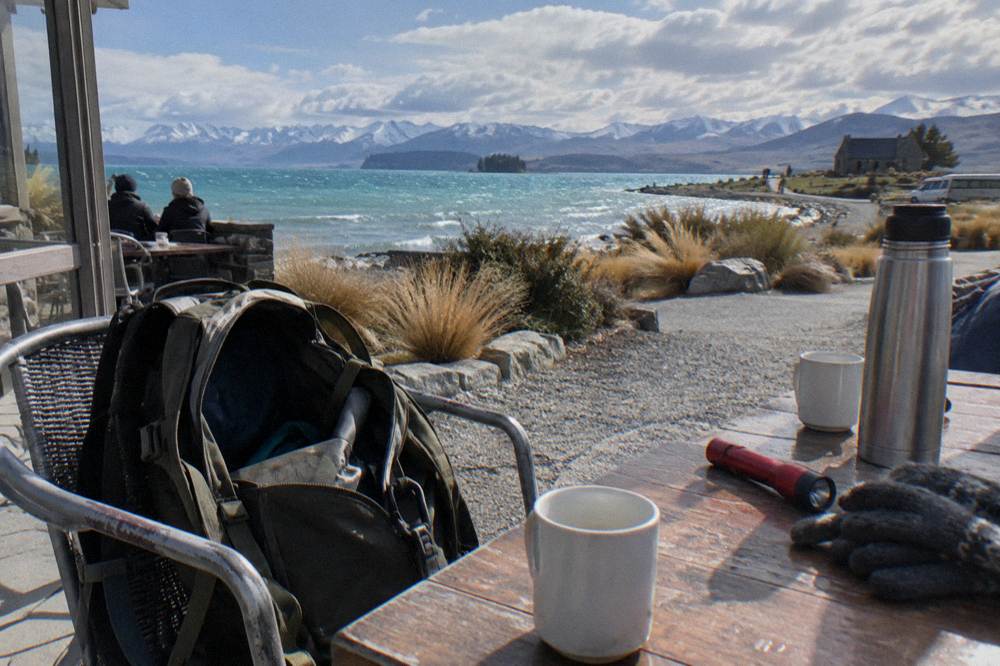
The beanie is the single highest-value item on this list. Headwear is not mentioned on the booking pages, so pack a hat even where a jacket is included. Gloves come second, because hands are what you use at a telescope, holding a phone for a photo or gripping a rail on gravel, and cold fingers end sessions early. A buff or scarf covers the wind gap between collar and hat. None of these items weighs much or takes space, and all three together cost less than a tour ticket.
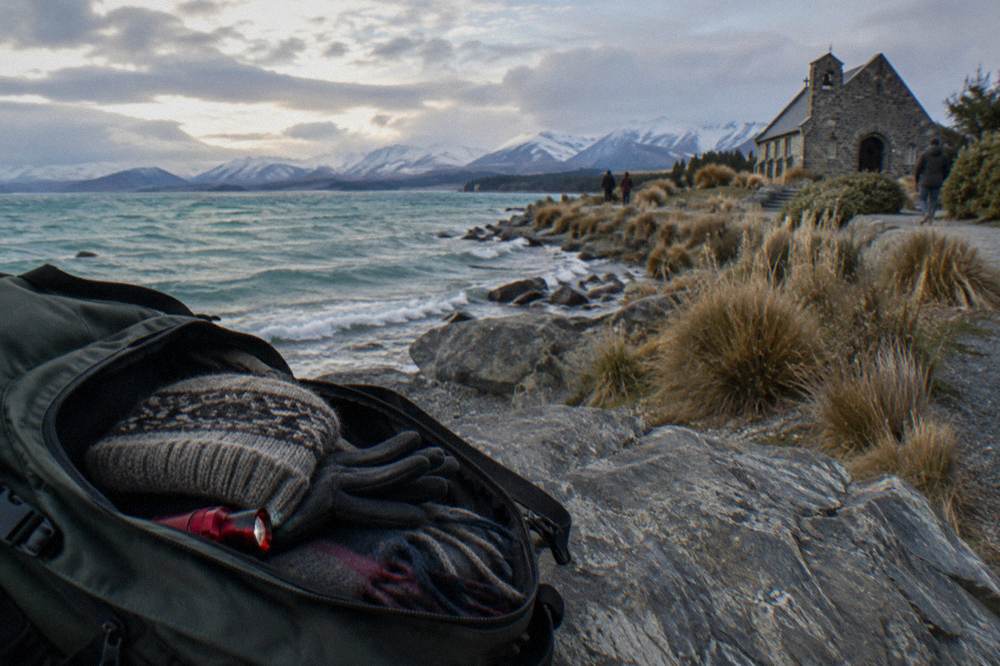
Light discipline is etiquette at every site. Bring a small torch, and if it has a red-light mode, use it; the operators' guidance on lights is about protecting everyone's dark-adapted eyes, and the Dark Sky Project asks for photos with the flash off at the summit dome. Phone screens are the modern culprit: a bright screen held up at head height can reset the night vision of a whole group. Dim the screen before you leave the vehicle and keep it pocketed at the eyepiece.
Bring a thermos unless your tour lists hot drinks, since only some stargazing operators provide them. Chameleon pours hot chocolate with marshmallows, the Soak in the Stars tour includes some hot drinks, and the Tekapo Adventures daytime tours bring coffee or tea, but at night the stargazing operators above have drinks covered where stated. Water and a small snack are still worth carrying, especially with children. If you want the full packing-and-weather picture, the guide to Milky Way stargazing tours adds the sky-side planning on top of the clothing side.
The packing list shifts a little by tour and by season, so the table below condenses the kit list into a checklist you can work from on the evening itself.
| Item | Always pack | Winter, June to August | Jacket tours only | Hot pool tour only |
|---|---|---|---|---|
| Base layer, merino or synthetic | Yes | Plus thermal leggings | Can skip the mid layer | Dry spare set for after the pools |
| Mid layer, fleece or puffer | Yes | Yes | Optional | Yes |
| Windproof outer shell | Yes | Waterproof shell | Yes | Yes |
| Beanie and gloves | Yes | Insulated gloves | Still bring both | Yes |
| Closed shoes with grip | Yes | Waterproof soles | Yes | Sandals plus warm shoes for after |
| Scarf or buff | Yes | Yes | Yes | Yes |
| Small torch, red light if possible | Yes | Yes | Yes | Yes |
| Swimwear and towel | No | No | No | Yes; robes and towels to borrow |
| Snack and water | Yes | Yes | Yes | Yes |
Which Shoes Work Best For Each Stargazing Site?
Wear closed, flat shoes with grip on every stargazing tour at Lake Tekapo. The Mount John Summit tour includes a walk of about 100 m up a gravel incline plus a few steps in the dark, Chameleon's tour uses outdoor seats, pillows and mattresses, and in winter, from June to August, snow is possible, so waterproof soles earn their place.
Sandals and night-time gravel are a poor pairing, and the basin's stargazing sites are exactly the surfaces you would expect on high-country land: loose, uneven and, at night, invisible. The summit tour's gravel incline is short but genuinely dark, and while a jacket is loaned, footwear is not. If rain is in the forecast, a shoe with a bit of water protection serves double duty on a day tour and at the stargazing session.
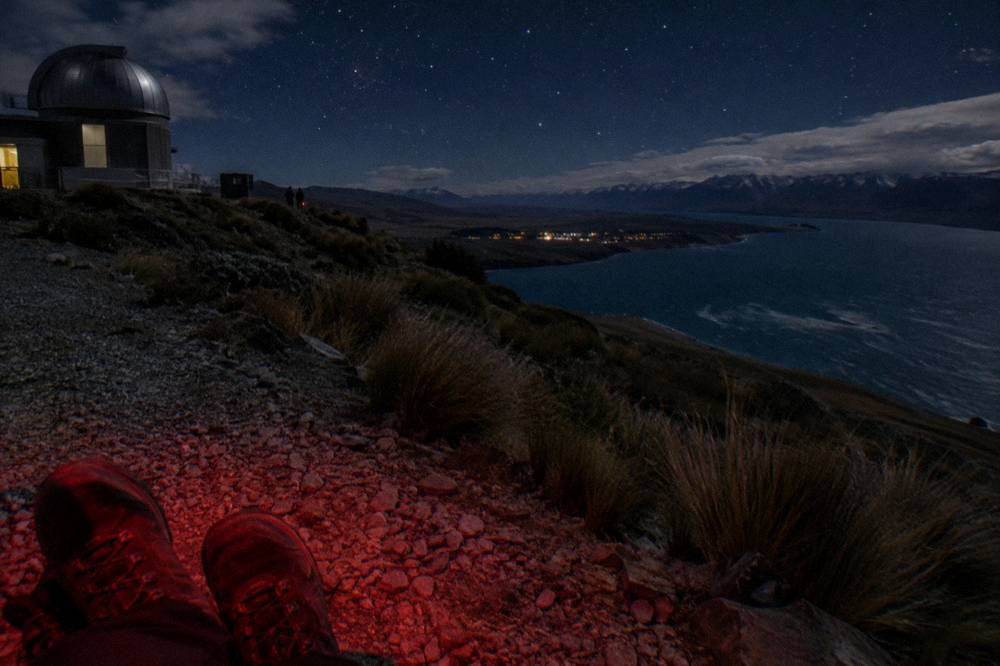
The Mount John summit is reached by bus from the Dark Sky Project base, roughly 15 minutes, and the same mountain road is open to private vehicles in the daytime with a small road fee per vehicle paid at the gate, which is worth knowing if you plan to scout the summit in daylight before your night tour. Vehicles over 12 seats are not permitted up the road, and it can close in some weather. Some travellers walk the summit area by day to get a feel for the terrain and the view of the lake below before returning for the night session; the guide to the Mount John walk before a stargazing tour covers that daytime visit in detail.
Can You Wear Bright Or Light-Up Clothing On Tour?
Wear dark, matte clothing and no light-up accessories. The Dark Sky Project asks summit guests not to wear light-up clothing, and telescope viewing depends on dark-adapted eyes, so bright screens, glowing shoes and shiny reflective gear work against the experience. Keep the torch small and pointed down.
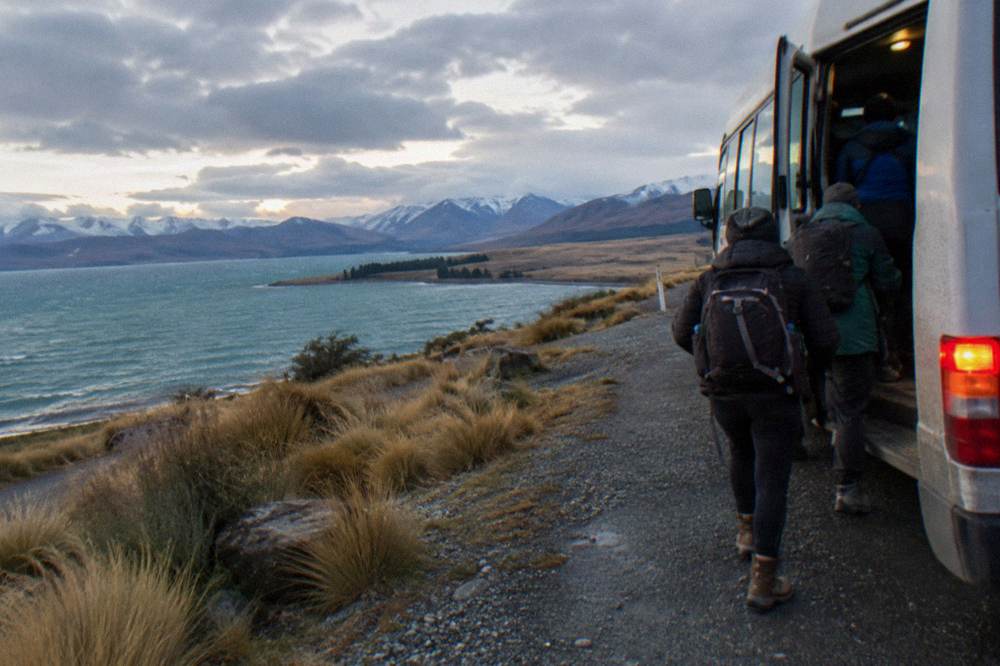
This is less a dress code than physics. Human eyes take many minutes to adapt to darkness, and a single burst of white light, from a phone, a watch face or a jacket's flashing trim, resets that adaptation for everyone standing at the eyepiece. A watch that lights up on wrist movement is the classic offender: it looks harmless in a shop and spends a whole tour announcing the time to a dozen people trying to see a faint galaxy. Leave it in the vehicle or tape over the face.
The summit tour at Mount John allows photos with the flash off, and the same no-flash habit applies everywhere a telescope stands. If you want a picture of the group, the Go Tekapo Ultimate experience includes a photo of you under the stars, weather dependent, taken by the operator, which neatly sidesteps the whole light-discipline question. Practical clothing also leans dark for a reason beyond etiquette: matte fabrics simply stay warmer-feeling in a breeze than shiny wind-cheaters that flap and reflect.
What Should Children Wear On A Stargazing Tour?
Dress children one layer warmer than adults, and note the age rules: the Cowan's Private Observatory tour sets a minimum age of 5, the Mount John Summit tour and the Soak in the Stars hot pool tour both set a minimum age of 10, while the other stargazing tours do not state a minimum age. Small bodies cool faster than large ones, especially standing still.
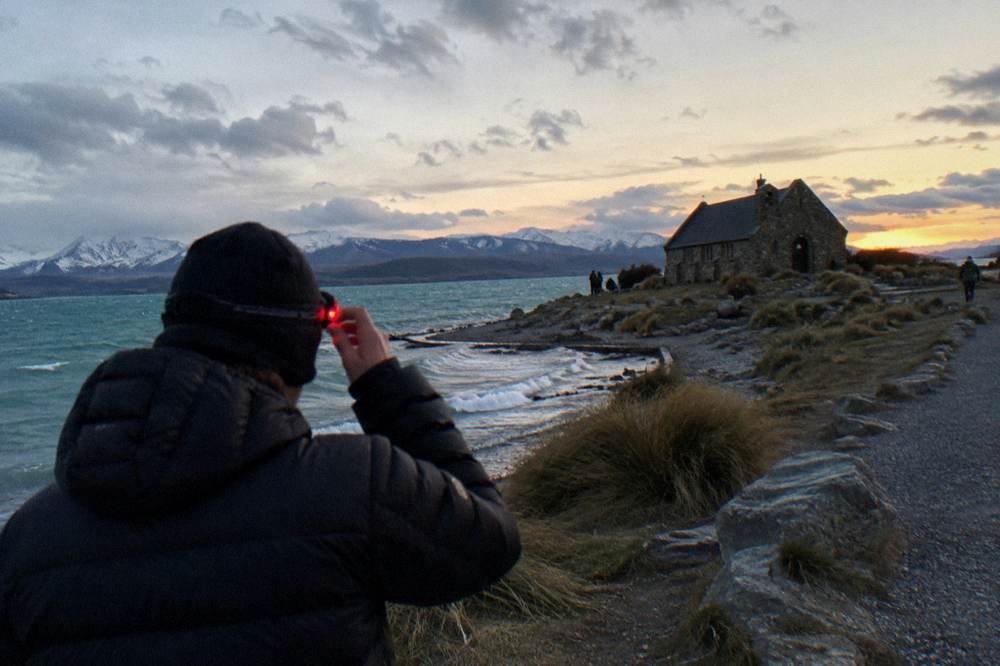
The age limits shape which tours a family can even consider, and the clothing advice follows from the tour. The Cowan's Private Observatory experience, from $80.88 per person, is the most accessible for younger children at minimum age 5, with 14 inch telescopes and guides using handheld lasers to point out the sky, but it supplies no jackets and simply asks guests to dress warmly, so children need their own full kit. The Soak in the Stars tour, minimum age 10, is often the easiest sell to older kids because the hot pools are part of the ticket, with swimwear, robes and towels available to borrow; pack a complete dry outfit for afterwards, including a hat, because wet hair at 710 m at night is a fast route to a miserable drive home.
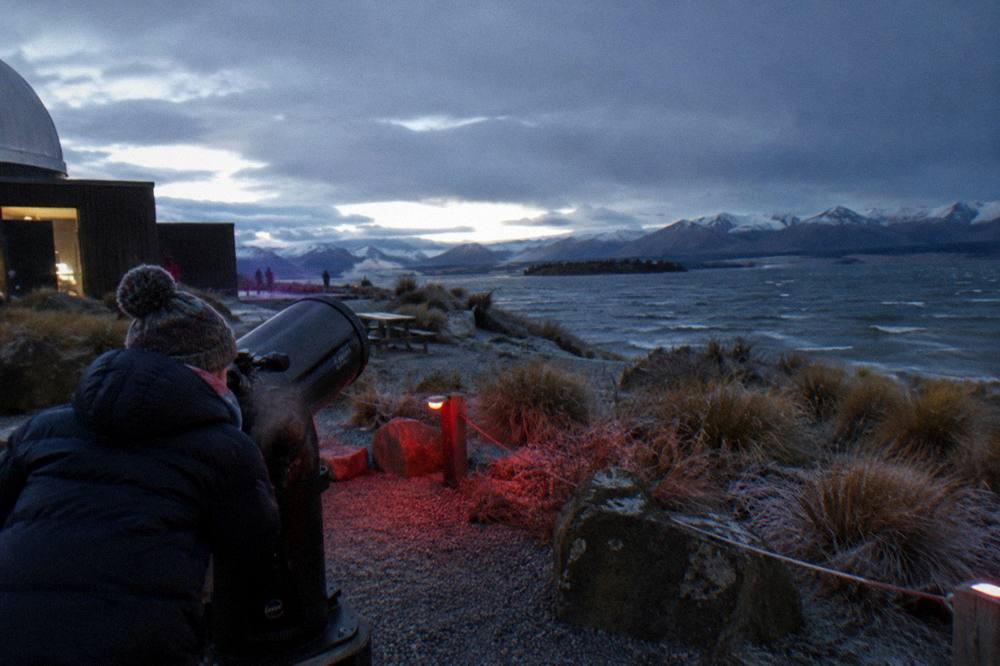
For all children, the standing advice from every cold-weather activity applies doubly at a telescope: warm boots, a hat that covers the ears, gloves that can come off for a moment at the eyepiece, and a snack in the pocket. Kids tolerate cold well when moving and badly when still, and stargazing is stillness with occasional bursts of wonder. The blog post on whether you get cold on a Lake Tekapo stargazing tour digs into that question directly, and the family-focused guide to Lake Tekapo day tours with kids carries the same layering logic into the daytime tours.
Does The Season Change What You Wear At Lake Tekapo?
Yes. In winter, June to August, snow is possible in the basin, so add thermal leggings, waterproof boots and serious gloves; in summer, December and January, the nights are shorter and tours start late, around 10 pm when true darkness arrives, but they are still cold enough that the Dark Sky Project warns guests about it. Layers, not seasons, are the constant.
Summer stargazing has a timing quirk worth planning around. Sunset at Tekapo is around 9 pm in December and about 9:20 pm at the solstice on 21 December, and true darkness for stargazing starts roughly 10 pm in December and January, which is why start times depend on sunset, operator by operator, and why check-in 15 minutes before departure lands you at the telescope very late by family-bedtime standards. A tired, underdressed child at 11:30 pm is a known hazard; a tired, warmly dressed one usually makes it to the end.
Spring and autumn sit between the extremes, and lupin season, usually late November to early January, is the classic shoulder window when travellers combine a daytime lupin stop with a night tour. The same 24 hours can deliver warm sun and a freezing night, so the pack for that kind of day holds both a sun hat and a beanie. The Department of Conservation's Aoraki Mount Cook park page is a useful reminder of how quickly alpine weather shifts across the basin's day trips.
A final checklist approach works in every season: base layer, mid layer, outer shell, warm trousers, beanie, gloves, scarf or buff, thick socks, closed grippy shoes, small torch, water. If your tour is one of the two that supplies jackets, Silver River Alpine or the Mount John Summit, you can shed the mid layer from the pack; if it is not, everything on the list comes with you. Every stargazing tour's booking page states free cancellation up to 24 hours before the start for a full refund, so a night that turns unseasonably brutal can be rebooked rather than endured.
With the outfit settled, the remaining choice is the tour itself, and the three below span the whole clothing spectrum: one that hands you a down jacket at check-in, one that supplies blankets and hot chocolate around a fire, and one that drives you to a mountain summit with an Extreme Cold Weather jacket in the price.
Common Questions About What To Wear Stargazing At Lake Tekapo
What Should You Wear Stargazing At Lake Tekapo?
Four layers, a merino or synthetic base, a fleece or puffer mid layer, a long outer layer and a windproof shell, plus a hat, gloves, warm trousers and closed shoes. The village sits at about 710 m and nights are cold even in summer.
Do Any Tekapo Stargazing Tours Provide Jackets?
Two do. The Silver River Alpine Stargazing experience supplies warm down jackets, and the Dark Sky Project Mount John Summit experience loans Extreme Cold Weather jackets. The other four stargazing tours ask you to bring your own warm layers.
Can You Get Cold On A Summer Stargazing Night?
Yes. The Dark Sky Project warns that nights are cold even in summer, and in December and January true darkness starts roughly 10 pm, the coldest part of the day. A beanie, gloves and a windproof layer are worth packing in every season.
What Shoes Are Best For A Stargazing Tour?
Closed, flat shoes with grip. The Mount John Summit tour includes a walk of about 100 m up a gravel incline plus a few steps in the dark, and the other sites are outdoor ground. In winter, waterproof soles are the safer choice.
Can Children Join A Stargazing Tour?
Age limits vary by tour: the Cowan's Private Observatory experience sets a minimum age of 5, while the Mount John Summit tour and the Soak in the Stars hot pool tour both set a minimum age of 10. Dress children one layer warmer than adults, with a hat that covers the ears.
Are Lights Allowed During The Tour?
Bring only a small torch, keep it pointed down, and dim your phone screen before leaving the vehicle. The Dark Sky Project asks summit guests not to wear light-up clothing, and photos at the summit are allowed with the flash off to protect everyone's night vision.