Dark Sky Project Tekapo Stargazing Tour: What To Expect
The Dark Sky Project runs two outdoor stargazing tours from its base at 1 Motuariki Lane in Lake Tekapo: a summit experience on Mount John and a crater experience at a private observatory. Here is how the two compare on price, age limits, warm kit and what happens when cloud rolls in.
Short answer
The Dark Sky Project's Mount John Summit Experience costs from $133.00 per person, runs 1 hour 45 minutes and takes ages 10 and up, with cold-weather jackets loaned. The Crater Experience at Cowan's Private Observatory costs from $80.88 per person, runs 1 hour 30 minutes, takes ages 5 and up and caps groups at 22.
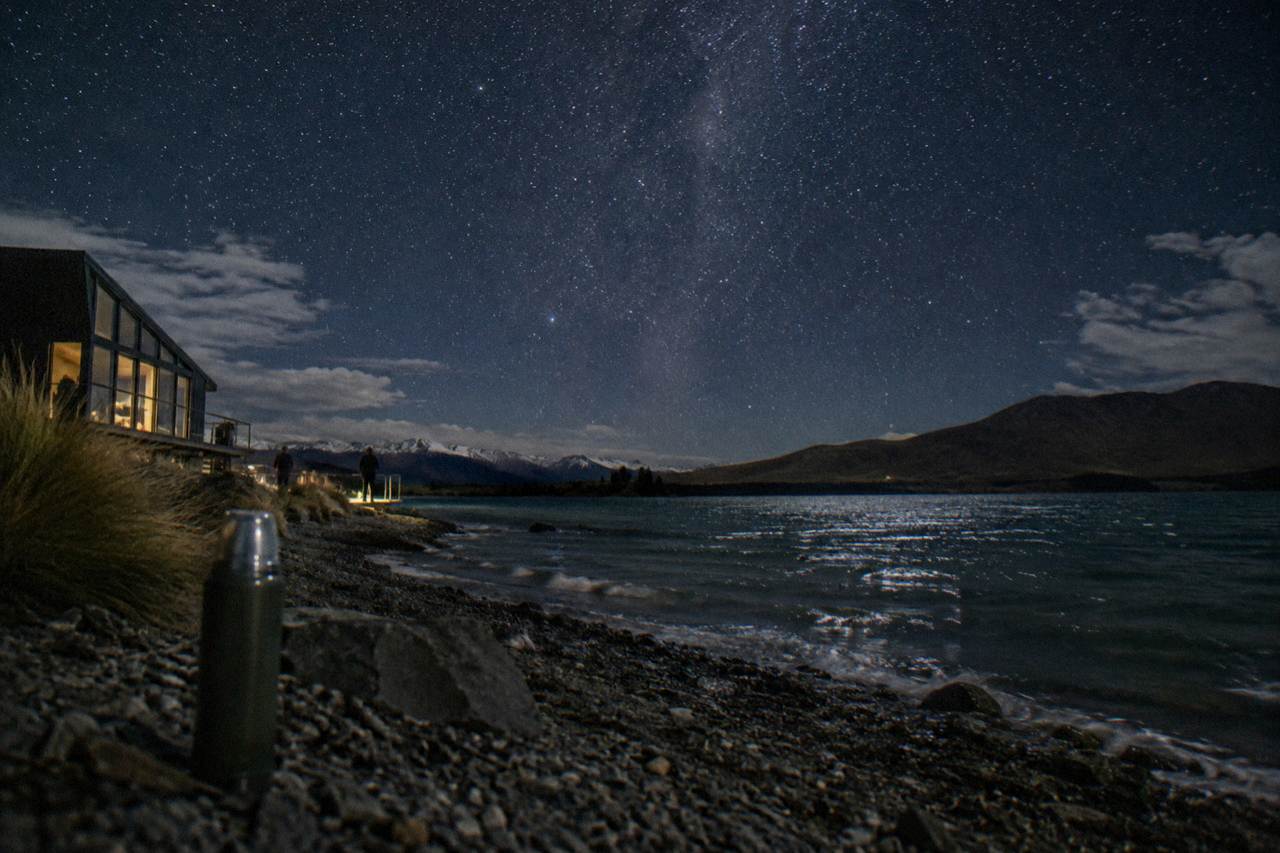
Lake Tekapo sits inside the Aoraki Mackenzie Dark Sky Reserve, designated in 2012 and covering 4,367 square kilometres of the Mackenzie Basin and Aoraki / Mount Cook National Park, a status recorded on the International Dark-Sky Association's reserve page. Outdoor lighting controls in the basin date from the early 1980s, which is part of why the village became a base for stargazing rather than just a stop on the drive between Christchurch and Queenstown. The best-known operator working that sky is the Dark Sky Project, a Ngai Tahu Tourism business based at 1 Motuariki Lane on the lakefront.
Two outdoor night tours run from that base. One climbs Mount John to the University of Canterbury's observatory. The other drives about five minutes out of the village to a private observatory in sheltered craters. They differ in price, in minimum age, in group size and in what you get to look through, and those differences are what this guide works through, alongside honest comparisons with the other stargazing operators at Tekapo. The Dark Sky Project is one option among several, and the cheaper Silver River tour actually carries the largest review pool of any stargazing product in the village. For anyone still deciding where to base the trip, the guide to choosing between Lake Tekapo and Mount Cook for stargazing covers departures, prices and weather options.
What Is The Dark Sky Project At Lake Tekapo?
The Dark Sky Project is a Ngai Tahu Tourism operator running night stargazing tours seven days a week from a base at 1 Motuariki Lane, Lake Tekapo, with departure times that follow sunset and check-in 15 minutes before each tour. Its two outdoor products are the Mount John Summit Experience and the Crater Experience at Cowan's Private Observatory, and both state free cancellation up to 24 hours before the start for a full refund.
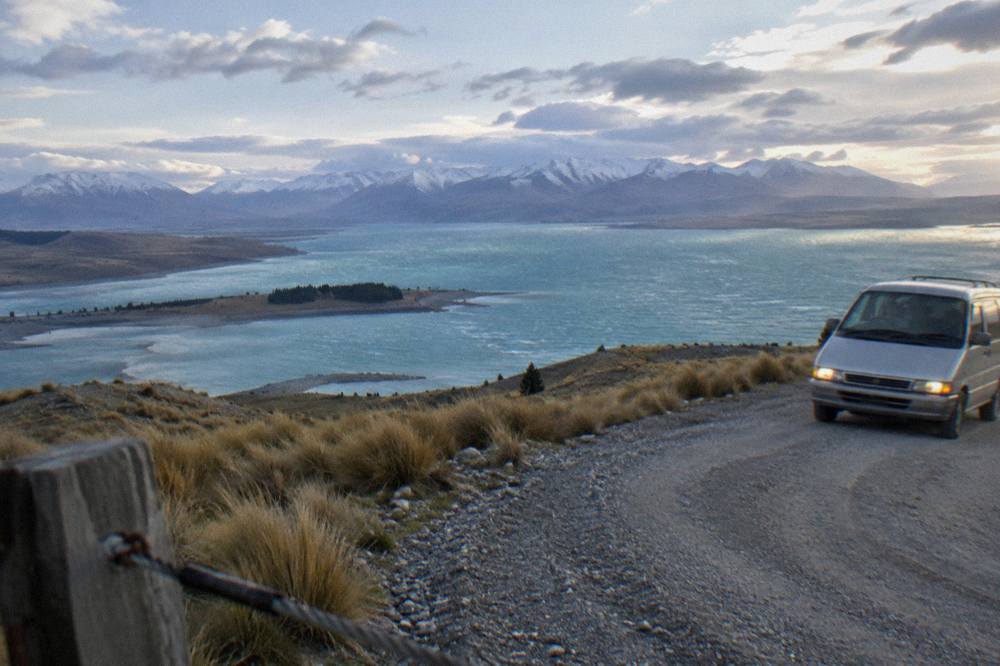
The base sits on the lakefront in the village, an easy walk from most Tekapo accommodation. Tours run every night of the week, though same-day bookings are possible only if spots are left, and spots are limited. Because start times chase the sun rather than a fixed clock, the tour you book in December will begin much later than one in March: sunset at Tekapo is around 9 pm in December and about 8 pm by mid March, and in December and January true darkness does not really arrive until roughly 10 pm.
Neither tour includes hotel pickup, and the operator says so plainly: you make your own way to the base. From there, transport is handled, either by bus up Mount John or by vehicle out to the craters, and return transport to the base is included in both cases. That makes the logistics simple for anyone staying in the village, and worth a thought for visitors based in Twizel or further afield who would need to drive back late.
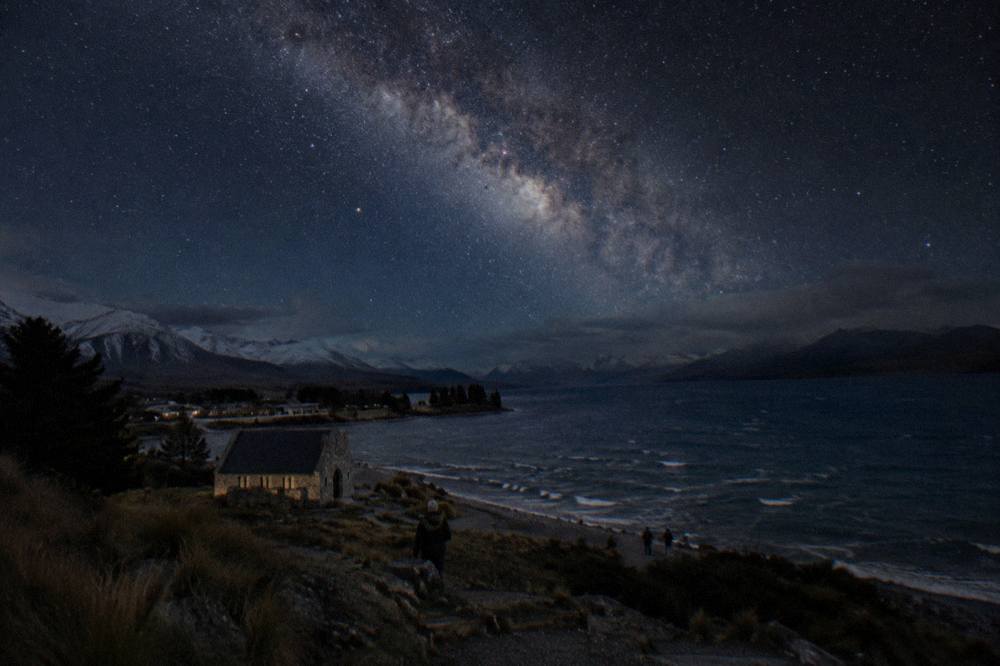
The operator is candid about one thing worth repeating: it cannot guarantee what you will see. The Milky Way, planets and any aurora depend on weather and moonlight, and no stargazing tour at Tekapo promises otherwise. Around new moon the sky is at its darkest, while a full moon washes out faint objects, so the moon phase matters almost as much as the cloud forecast when you are picking a date.
The side-by-side of the two tours is the fastest way to see where they differ, and the rest of this guide expands on each row:
| Summit Experience | Crater Experience | |
|---|---|---|
| Location | Mount John summit, 1,029 m | Cowan's Private Observatory, 5 min drive from base |
| From price (per person) | $133.00 | $80.88 |
| Duration | 1 hour 45 minutes | 1 hour 30 minutes |
| Rating | 4.6 across 347 reviews | 3.9 across 91 reviews |
| Minimum age | 10 | 5 |
| Group maximum | Not stated | 22 |
| Main telescope | 16 inch, in a dome | 14 inch |
| Jackets | loaned, extreme cold weather | not supplied, dress warmly |
| Transport from base | bus, about 15 minutes | vehicle, about 5 minutes |
| Hotel pickup | not included | not included |
If budget is shaping your choice between these options, the breakdown of Tekapo stargazing tour costs explains what every operator includes for the price.
What Does The Mount John Summit Experience Include?
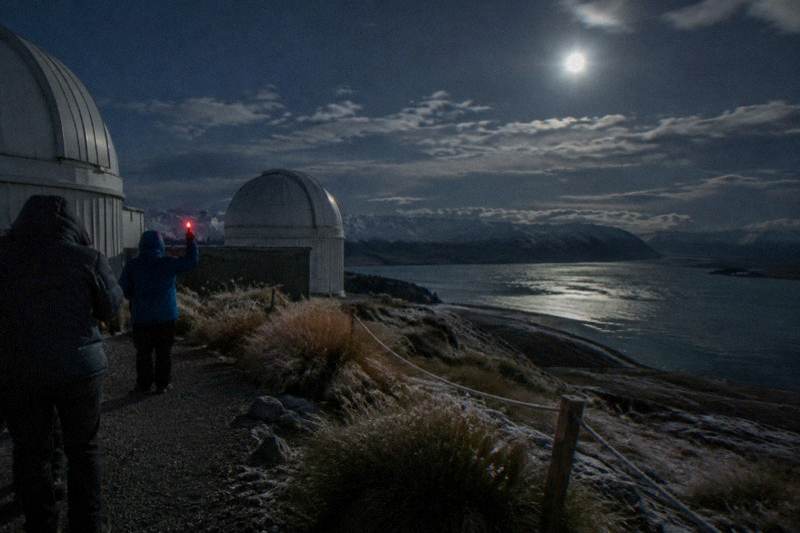
The Summit Experience is a 1 hour 45 minute guided tour to the top of Mount John, from $133.00 per person, rated 4.6 across 347 reviews, with return bus transport from the base included, an extreme cold-weather jacket loaned, a 16 inch telescope in a dome and a minimum age of 10. The drive to the summit takes about 15 minutes by bus.
This is the tour that gets you inside the fence at the University of Canterbury's Mt John Observatory, at 1,029 metres. Access to the summit is part of the ticket, which matters because the general public reaches the same hilltop in daytime only by paying a small road fee per vehicle at the gate, and vehicles over 12 seats are not permitted on that road at all. At night, the summit is effectively the observatory's and the tour's.
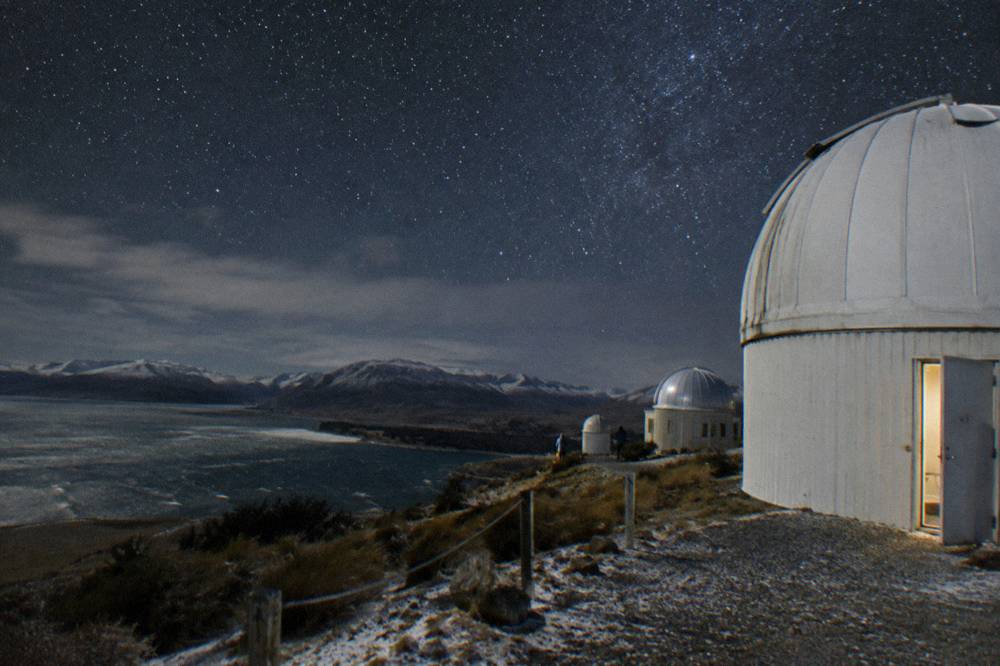
Expect a short walk in the dark once the bus stops: about 100 metres up a gravel incline plus a few steps, which the operator describes as needing moderate fitness. The tour is not wheelchair accessible. Inside the dome, a 16 inch telescope is the main instrument, and photography is allowed with the flash off. An expert astronomy guide handles the storytelling, and the extreme cold weather jacket is loaned as part of the ticket, which is a genuine plus at 1,029 metres in a place where nights are cold even in summer.
The summit tour's minimum age of 10 is the single most important line for families. It is not a suggestion dressed as a rule, and younger children are pointed toward the Crater Experience instead. For adults and teenagers, the trade is simple: this is the most expensive of the operator's two tours, and the only one that puts you at a working research observatory with a large telescope in a dome. If the drive from Christchurch or Queenstown fills your day, the guide to planning a Mount John Observatory stargazing tour covers how an evening tour fits around a day trip.
What the ticket covers is worth spelling out, because stargazing tours at Tekapo vary widely in what is bundled. On the summit tour the inclusions are the guide and storytelling, the return bus between the base and the summit, the summit access itself, the dome and its telescope, and the loaned jacket. Food and drinks are not included, so eat before you check in; a 10 pm start on an empty stomach is a long night.
What Is The Crater Experience At Cowan's Observatory?
The Crater Experience is a 1 hour 30 minute tour at Cowan's Private Observatory, from $80.88 per person, rated 3.9 across 91 reviews, a five minute drive from the base with return transport included. It uses 14 inch telescopes in sheltered private craters, allows ages 5 and up, caps groups at 22 and has guides who point with handheld lasers, and no jackets are stated.
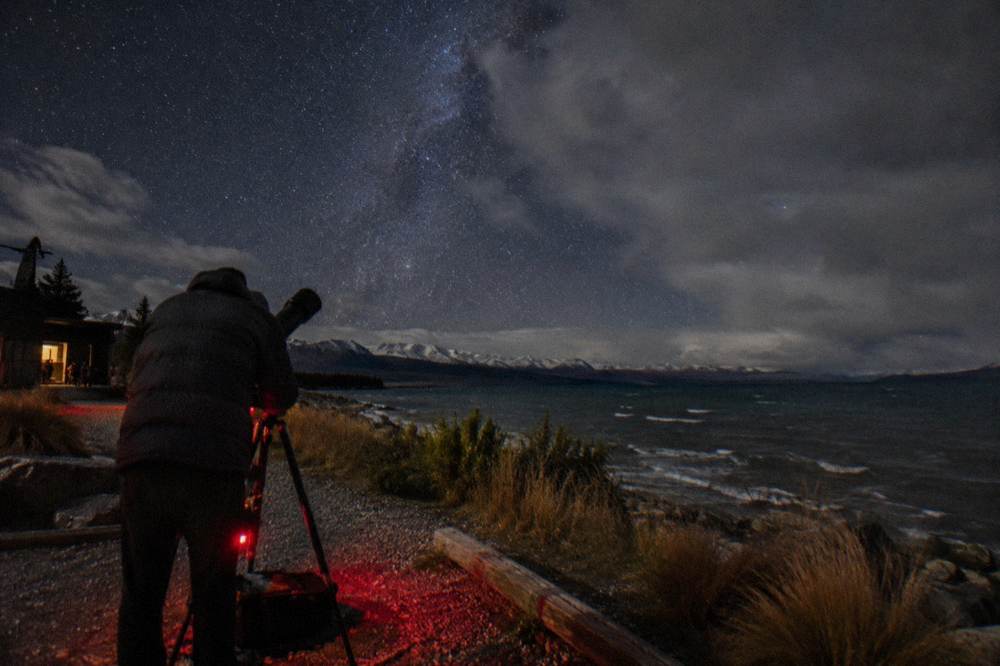
Where the summit tour climbs, this one drops into secluded craters on private land, sheltered from wind and stray light. Guides tailor what you look at to whatever is actually visible that night, and they point out features of the southern sky with handheld lasers. The telescopes are 14 inch instruments, smaller than the summit dome's 16 inch, but the setting is more protected and the walk from vehicle to viewing is far less demanding.
The group ceiling of 22 is one of the larger groups, though Soak in the Stars allows 34, which cuts both ways. It makes the tour the most likely to have space when others are full, and it means a bigger crowd around each eyepiece. Families with children as young as five are the clear audience: the minimum age of 5 is the lowest stated anywhere in Tekapo stargazing, and the sheltered craters take some of the sting out of a cold night. Jackets are not supplied on this tour, so dress warmly, which the operator says explicitly.
The rating of 3.9 across 91 reviews is the lowest of the Dark Sky Project's two tours, and lower than every other stargazing operator's headline figure at Tekapo. Reviews are opinions rather than measurements, and cloud nights explain some of it, but a reader comparing options deserves the number alongside the price rather than a gloss. Whether the family-friendly age limit outweighs it is a judgement only you can make.
How Much Do Dark Sky Project Tekapo Tours Cost?
The Mount John Summit Experience costs from $133.00 per person and the Crater Experience from $80.88 per person, both booked per person, with every listing on this site stating free cancellation up to 24 hours before the start for a full refund. For context, per-person stargazing prices at Tekapo across all six tours run from $55.00 to $133.00.
The two Dark Sky Project tours sit at the upper middle of the local range. Silver River's Alpine Stargazing Experience is the cheapest at $55.00 per person and also the most reviewed stargazing product in the village at 4.6 across 864 reviews. Chameleon Stargazing comes in at $72.00 with the strongest rating of any tour with 100 or more reviews, 4.9 across 788. Go Tekapo's Ultimate Stargazing Experience is $124.24, and the hot-pool combination tour at Tekapo Springs is $101.55.
| Tour | Operator | From (USD) | Duration | Rating and reviews | Min age | Group max |
|---|---|---|---|---|---|---|
| Mount John Summit Experience | Dark Sky Project | $133.00 | 1 h 45 | 4.6 from 347 | 10 | Not stated |
| Crater Experience (Cowan's) | Dark Sky Project | $80.88 | 1 h 30 min | 3.9 from 91 | 5 | 22 |
| Alpine Stargazing | Silver River Stargazing | $55.00 | 1 h 15 | 4.6 from 864 | Not stated | 10 |
| Stargazing Experience | Chameleon Stargazing | $72.00 | 1 h 30 | 4.9 from 788 | Not stated | Not stated |
| Ultimate Stargazing | Go Tekapo | $124.24 | 2 h | 5.0 from 17 | Not stated | 10 |
| Soak in the Stars | Tekapo Star Gazing | $101.55 | 1 h 30 | 4.3 from 121 | 10 | 34 |
Prices are "from" figures and per person, and the operator's own page may show options or seasonal variations beyond them, so treat these as the floor rather than a quote. What you get for the step from $80.88 to $133.00 is concrete: the summit, the dome, the bigger telescope and the loaned jacket. What you give up at the crater price is equally concrete, and for a family of four with a six-year-old, the crater tour is the only Dark Sky Project option that works at all.
Budget for the whole evening, not just the ticket. Neither tour includes food or drink, and a late summer start means dinner happens first and bedtime lands close to midnight for children. The crater tour's 1 hour 30 minute runtime is gentler on that score than the summit's 1 hour 45 minutes plus check-in and transport either side.
Which Dark Sky Project Tour Suits Families With Children?
The Crater Experience suits families best, with a minimum age of 5, a 1 hour 30 minute runtime short enough for young attention spans and sheltered craters that blunt the wind. The Summit Experience takes ages 10 and up only, runs 1 hour 45 minutes and involves a gravel walk in the dark, so it fits teenagers but not small children.
Age limits are the deciding factor and they are firm. If your youngest is nine, the crater tour is your only Dark Sky Project option, full stop. If your children are ten or older, the choice becomes about temperament: the summit tour's dome telescope and mountain setting are more memorable for a teenager who lasts the distance, while the crater tour's larger group and lasers keep things moving quickly. More of these guides are collected on Lake Tekapo Day Tours.
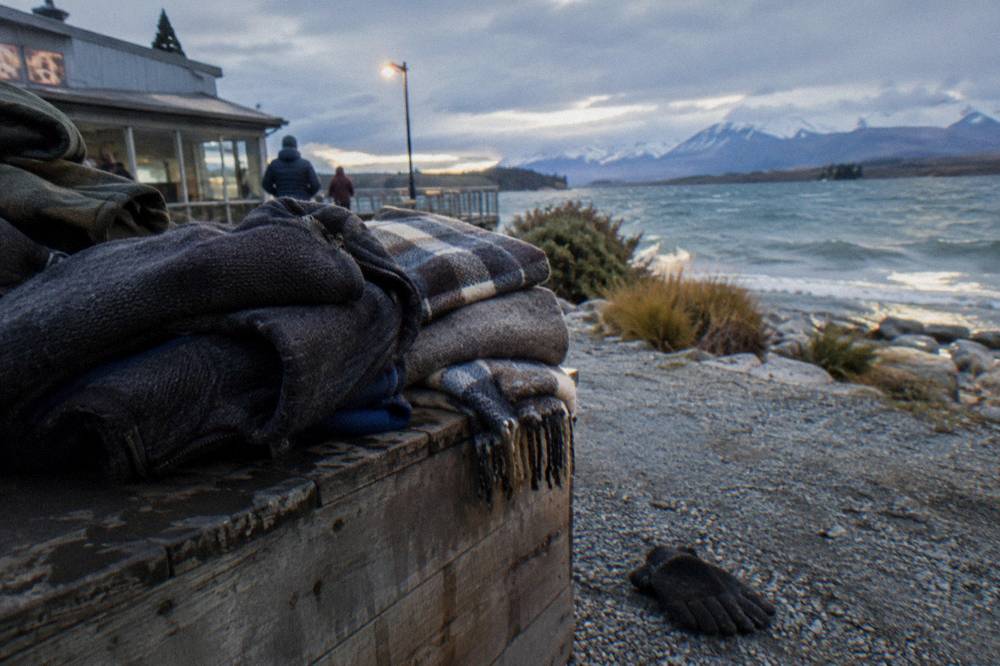
Cold deserves more weight than most families give it. Tekapo sits at about 710 metres above sea level and nights are cold even in summer, with snow possible in the basin from June to August. Only the Summit Experience loans jackets; on the crater tour your own layers are the plan, and the guide to what to wear on a Lake Tekapo stargazing tour goes through the kit list in detail.
The family trade-offs compress into a short checklist:
| Family situation | Better fit | Why |
|---|---|---|
| Youngest child under 5 | neither Dark Sky Project tour | crater minimum is 5, summit is 10 |
| Youngest child 5 to 9 | Crater Experience | lowest stated age limit in Tekapo stargazing, sheltered site, 1 hour 30 minutes |
| Children 10 and up, hardy walkers | Summit Experience | dome telescope, summit access, loaned jackets |
| Teenagers who want the longest session | Ultimate Stargazing (Go Tekapo) | 2 hours, from $124.24, group max 10 |
| Family wanting warmth while viewing | Soak in the Stars (Tekapo Springs) | hot pool use is part of the ticket, from $101.55, ages 10 and up |
For families weighing cost against experience, the honest look at whether the Dark Sky Project tours are worth it compares prices, session lengths, and what happens when cloud rolls in.
If your children are under five, neither Dark Sky Project tour is open to them, and no stargazing tour covered on this site states a lower minimum age than the crater's five. A dark-sky evening without a booked tour is still an option at Tekapo, and the free viewing spots around the village make a decent fallback for a family that cannot meet an age limit or a late start time.
What Happens If The Weather Turns Cloudy?
If outdoor stargazing is not possible, the Dark Sky Project offers an alternative night-time indoor experience, or a reschedule subject to availability, a voucher or a refund; the operator publishes no fixed cancellation window and refunds are never automatic. Booking pages for all 25 tours on this site state free cancellation up to 24 hours before the start for a full refund.
The key distinction is between cancellation before the tour, which you control, and the weather call on the night, which the operator controls. Cancel more than 24 hours ahead and the booking-page terms give a full refund. On the night itself, cloud is the operator's problem to manage, and the offered remedies are the indoor alternative, a reschedule if there is space, a voucher or a refund.
Be clear-eyed about the indoor alternative: it is not a guaranteed sky view and not the same product as the outdoor tour. Some travellers read "alternative experience" as a planetarium-style equivalent and leave disappointed, so if a refund or a reschedule suits you better, ask for that option rather than accepting the default. Weather decisions are made on the day, which is why a same-day booking is worth considering when the forecast is firming up.
Moonlight is the quieter weather problem. A cloudless night near a full moon still washes out faint objects, and no tour can fix that. New moon falls around 9 December 2026, 7 January 2027 and 6 February 2027, with full moon around 24 December 2026 and 22 January 2027, so a calendar and a moon chart do more for your viewing than any price comparison. The deeper dive on cloud plans is in Lake Tekapo stargazing tour weather and cancellations.
How Does The Dark Sky Project Compare With Other Tekapo Tours?
The Dark Sky Project's summit tour is the only one at a working research observatory, but Silver River's tour is cheaper at $55.00, longer established in review volume at 864 reviews, supplies jackets and caps groups at 10. Chameleon's 4.9 across 788 reviews is the strongest rating of any tour here with 100 or more reviews.
Silver River's Alpine Stargazing Experience is the natural rival to the summit tour. It runs 1 hour 15 minutes, includes roundtrip transport from the check-in office at 12 Rapuwai Lane to the stargazing site, loans warm down jackets, uses 14 inch telescopes and caps groups at 10. At $55.00 against $133.00, a party of two saves about $156, and the 864-review pool at 4.6 is the deepest of any stargazing product in the village.
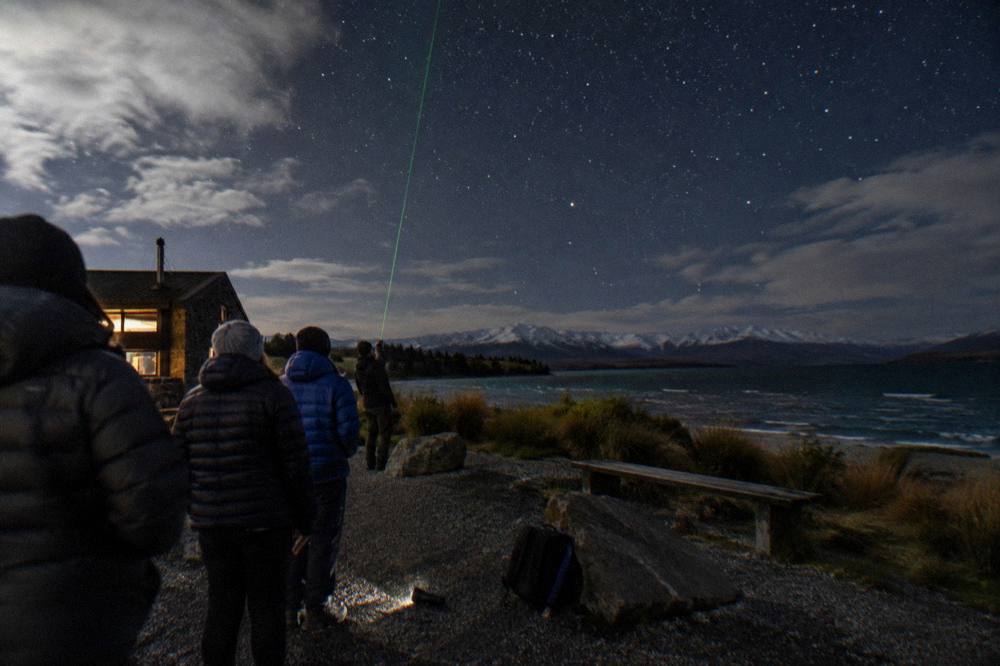
Chameleon Stargazing, meeting at 70 Andrew Don Drive a four-minute drive from the village centre, throws in hot chocolate and marshmallows around a fire bowl along with a 9.25 inch telescope and a smart telescope, plus edited photos to take home. Its 4.9 rating across 788 reviews makes it the highest rated tour on this site with more than 100 reviews. Go Tekapo's Ultimate Experience at $124.24 runs a full two hours with a 16 inch telescope and a photo of you under the stars when weather allows, though its 5.0 rating rests on just 17 reviews.
What the Dark Sky Project uniquely sells is the mountain and the dome. If standing at a university observatory at 1,029 metres, inside the reserve's most protected summit, is the experience you came for, the price gap buys exactly that. If you simply want a good guide, a big telescope and a warm jacket for less money, the alternatives are strong, and the full six-way breakdown is in the Lake Tekapo stargazing tour comparison.
How Do You Plan Around A Dark Sky Project Booking?
Check in at 1 Motuariki Lane 15 minutes before departure, with no hotel pickup on either tour, so plan to be in the village already; summer start times follow sunset, meaning roughly 10 pm darkness in December and January, and winter nights start early but are very cold. Book the night you arrive, not the night before you leave.
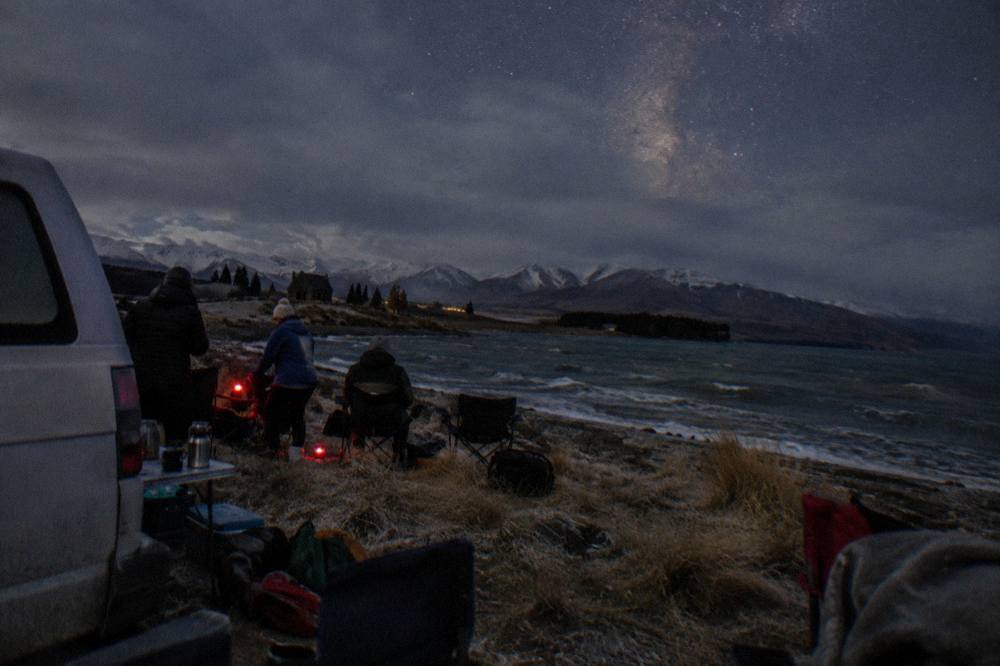
The single best piece of stargazing logistics advice is to leave a spare night. If cloud cancels your only booked evening, a reschedule needs another night to move to. Two nights in Tekapo, a fact worth weighing alongside the question of how long to spend at Lake Tekapo on a day tour, turns a weather cancellation from a lost highlight into a shuffled itinerary.
Driving considerations matter too. State Highway 8 and the Mount Cook road conditions are worth checking on the day through the NZTA Journey Planner, and night driving out of the basin is slow on rural roads with wildlife. Parking in the village is free in 2026, and the council plans paid parking from 2027, and the pay-to-use toilets near the footbridge take coin or card.
Daytime and nighttime pair up well at Tekapo. The summit you climb at night with the tour can be visited in daylight by car for a small road fee paid by card at the gate, with a daytime cafe at the top where you should check the hours. The lake's turquoise colour, from glacial rock flour suspended in the water, and the Church of the Good Shepherd, a protected sacred site with a koha requested at the gate and no photography inside, fill the hours before sunset, which the Department of Conservation's park information complements if Mount Cook is on your route.
A planning checklist for the evening itself:
| Planning item | Summit Experience | Crater Experience |
|---|---|---|
| Check-in | 1 Motuariki Lane, 15 min before | 1 Motuariki Lane, 15 min before |
| Getting there | walk or drive to the base; hotel pickup not included | walk or drive to the base; hotel pickup not included |
| Warm kit | extreme cold weather jacket loaned | bring your own layers, none supplied |
| Food | eat beforehand; none included | eat beforehand; none included |
| Best moon window | near new moon: around 9 Dec 2026, 7 Jan 2027, 6 Feb 2027 | same windows apply |
| Weather fallback | indoor alternative, reschedule, voucher or refund | indoor alternative, reschedule, voucher or refund |
Common Questions About Dark Sky Project Tekapo
Is The Dark Sky Project Worth It At Lake Tekapo?
It depends what you want. The Summit Experience at from $133.00 is the only tour at a working research observatory with a 16 inch dome telescope, rated 4.6 across 347 reviews. The Crater Experience at from $80.88 takes ages 5 and up, rated 3.9 across 91 reviews. Cheaper rivals exist: Silver River at $55.00 carries 864 reviews at 4.6.
What Is The Difference Between The Summit And Crater Experiences?
The Summit Experience runs 1 hour 45 minutes up Mount John by bus, minimum age 10, with loaned extreme cold weather jackets and a 16 inch telescope in a dome. The Crater Experience runs 1 hour 30 minutes at a private observatory a five minute drive away, minimum age 5, group maximum 22, 14 inch telescopes and no jackets stated.
Do The Dark Sky Project Tours Include Hotel Pickup?
No. Hotel pickup is not included on either tour. You check in at the Dark Sky Project base at 1 Motuariki Lane, Lake Tekapo, 15 minutes before departure, and return transport from the base to the summit or the craters is included in the ticket.
Can Children Go On A Dark Sky Project Tour?
The Crater Experience accepts ages 5 and up, the lowest stated minimum age of any stargazing tour covered on this site. The Mount John Summit Experience accepts ages 10 and up only. The tour involves a 100 metre gravel walk in the dark and the cold at 1,029 metres.
What If It Is Cloudy On The Night Of The Tour?
The operator offers an alternative night-time indoor experience, or a reschedule subject to availability, a voucher or a refund when outdoor stargazing is not possible. The indoor alternative is not a guaranteed sky view. Booking pages state free cancellation up to 24 hours before the start for a full refund.
Are Jackets Provided On Dark Sky Project Tours?
On the Summit Experience, yes: an extreme cold weather jacket is loaned as part of the ticket. On the Crater Experience, jackets are not supplied and the operator tells guests to dress warmly.