Is The Dark Sky Project Stargazing Tour Worth It?
An honest comparison of the two Dark Sky Project tours at Lake Tekapo: prices, durations, ratings, jackets, ages and what happens when cloud rolls in.
For most travellers who want a guided telescope session with the strongest gear and a mountaintop setting, yes: the Summit Experience justifies its $133.00 from-price with a 1 hour 45 minute guided night, a 16 inch dome telescope and loaned extreme cold weather jackets, rated 4.6 across 347 reviews. Budget travellers and families with children under 10 have better options at Lake Tekapo, detailed below.
The Dark Sky Project is the trade name for the stargazing operation run by Ngai Tahu Tourism from a base at 1 Motuariki Lane, on the lakefront at Lake Tekapo. It sells two outdoor night tours covered here: the Summit Experience, which takes a bus up Mount John to the University of Canterbury observatory, and the Crater Experience at Cowan's Private Observatory. Both run seven nights a week with departure times that follow sunset, and both ask guests to check in 15 minutes before departure at the base. The village location matters: both Dark Sky Project tours start within a short walk of the lakefront, and the two products split cleanly by price, by age floor and by what you actually look through. If you're also deciding where to base yourself for the night, the comparison of staying in Lake Tekapo versus Mount Cook weighs up tour departures, costs and weather options from both villages.
The honest starting point is the rating gap. The Summit Experience holds 4.6 across 347 reviews. The Crater Experience holds 3.9 across 91 reviews. That is a real difference, not statistical noise, and the sections below dig into why it exists: the summit tour has the bigger telescope, the colder but higher site, the jackets and the storytelling, while the crater tour is shorter, cheaper and younger in its age floor. Neither number makes one a bad buy. Both make it worth knowing what each one trades away.
Worth is also relative to the rest of the Tekapo stargazing market, which is unusually crowded for a village of this size. Six stargazing tours start at Lake Tekapo, ranging from $55.00 to $133.00 per person. If the question is whether the Dark Sky Project is worth it against those alternatives, the answer depends on whether the summit draw, the observatory dome and the Mount John road matter to you, and the comparison table further down puts all six side by side. Before booking either option, the guide to the Dark Sky Project Tekapo stargazing experiences explains what the summit and crater tours actually involve, right down to jackets and weather cancellations.
What Do The Two Dark Sky Project Tours Actually Include?
The Summit Experience, from $133.00 per person, includes the 1 hour 45 minute guided night, return bus transport to the Mount John summit at 1,029 m, an astronomy guide, a 16 inch telescope in a dome and a loaned extreme cold weather jacket. The Crater Experience, from $80.88 per person, runs 1 hour 30 minutes with a guide, 14 inch telescopes and return transport from the base, but no jackets are stated.
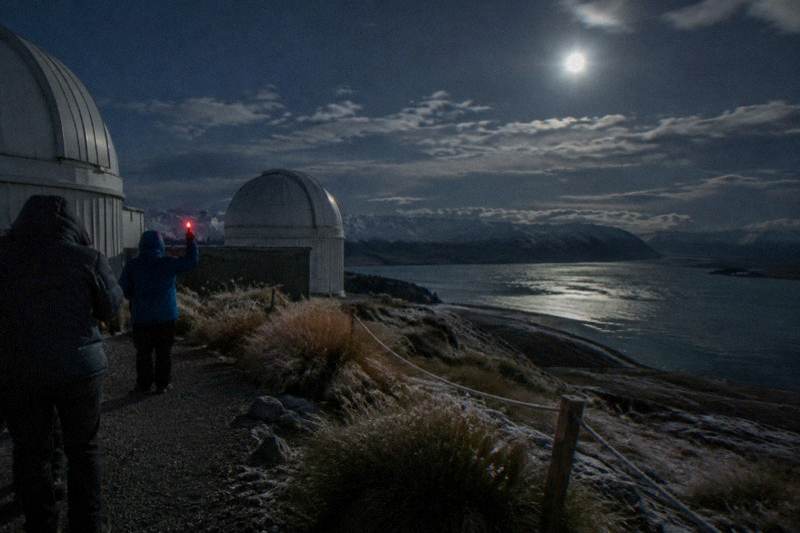
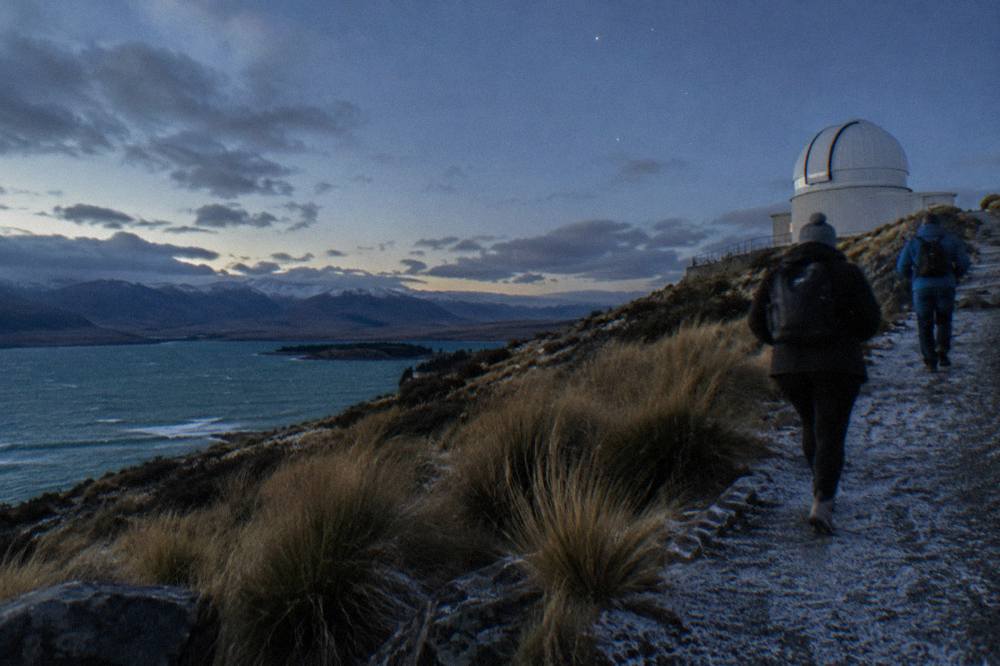
The physical shape of the two nights differs more than the prices suggest. The summit tour is a bus ride of about 15 minutes up the Mount John access road, then a walk of about 100 m up a gravel incline plus a few steps in the dark, which the operator describes as moderate fitness territory. It is not wheelchair accessible. Photos are allowed with the flash off. The crater tour is a 5 minute drive from the base to a private facility, where guides use handheld lasers to point out features of the southern sky and guests move between secluded craters sheltered from wind and stray light. Guests are told to dress warmly, and jackets are not stated for the crater product, so a serious layer plan is on you for the crater night.
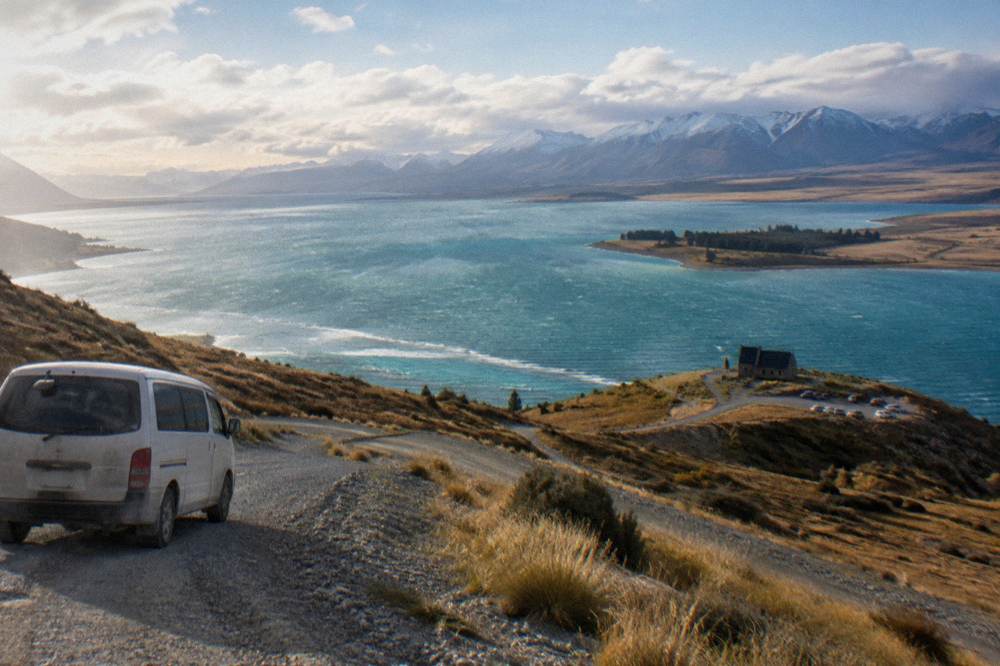
Both tours sit inside the Aoraki Mackenzie reserve, designated in 2012 as an International Dark Sky Reserve, a 4,367 km2 area covering Aoraki / Mount Cook National Park and the Mackenzie Basin. Outdoor lighting controls in the basin date from the early 1980s, originally put in place to protect Mt John Observatory, which is the same summit the flagship tour climbs after dark. That history is part of what the price buys: the road to the summit closes to the public at night except for tour traffic, and the operator says the summit access is part of the ticket.
The base itself anchors the evening. Check-in is at 1 Motuariki Lane, 15 minutes before departure, and same-day bookings are possible though spots are limited. Neither tour includes hotel pickup or drop-off, a point the operator states plainly, so anyone staying outside the village centre should budget for the walk or drive in. Tours run seven days, and start times follow sunset, which in December and January means true darkness and therefore departure closer to 10 pm, while in winter the night begins early and cold.
Summit Or Crater: Which Lake Tekapo Night Suits You?
Pick the Summit Experience if the mountaintop setting, the dome telescope and loaned jackets matter and everyone in your group is 10 or older; pick the Crater Experience if you want a shorter, cheaper introduction to the southern sky, if you have children as young as 5, or if a late summit return feels like too much.
The age floors decide a lot of family itineraries. The Summit Experience states a minimum age of 10. The Crater Experience states a minimum age of 5. Only one other tour in this comparison states an age floor: the Tekapo Star Gazing hot-pool tour, which sets a minimum age of 10 and caps groups at 34. Every other stargazing option here leaves the question open, so the crater night stands as the only stated choice in this set for a five-year-old. Families weighing the whole village, not just one operator, can compare across categories in the guide to Lake Tekapo stargazing tours, which covers all six products including the hot-pool combination.
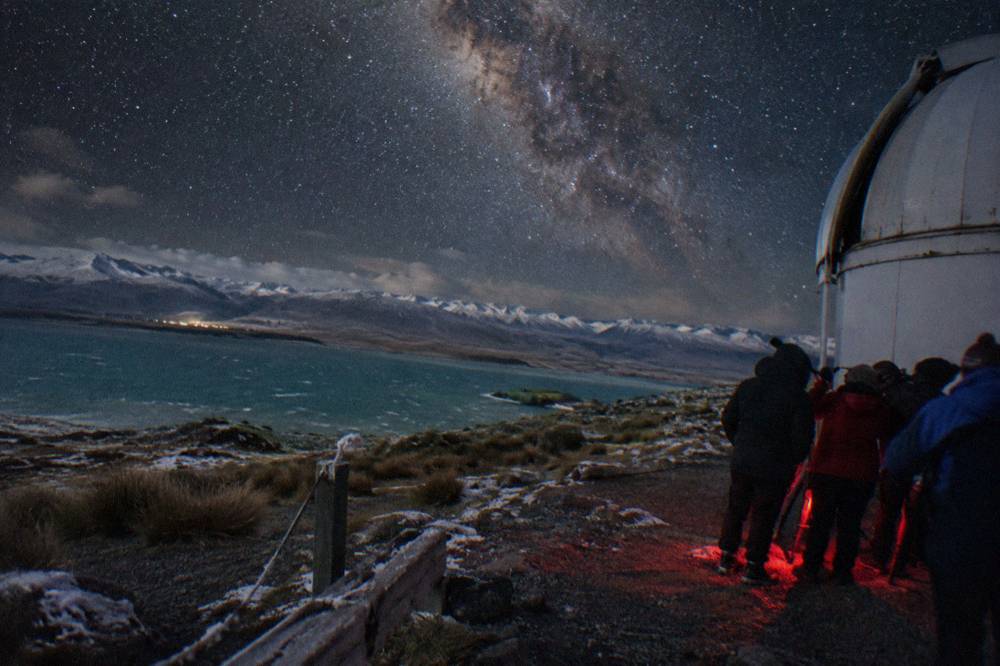
Cold is the other quiet decision-maker. Nights are cold at Lake Tekapo even in summer, per the operator's own advice, and the summit at 1,029 m sits above the village temperature. The Summit Experience loans extreme cold weather jackets, one of only two tours in the whole Tekapo lineup that states jackets are provided, the other being the Silver River alpine stargazing tour. The Crater Experience asks guests to dress warmly and states nothing about jackets, so the crater night is genuinely warm-clothing-dependent. The blog post on what to wear stargazing at Tekapo covers layering in detail.
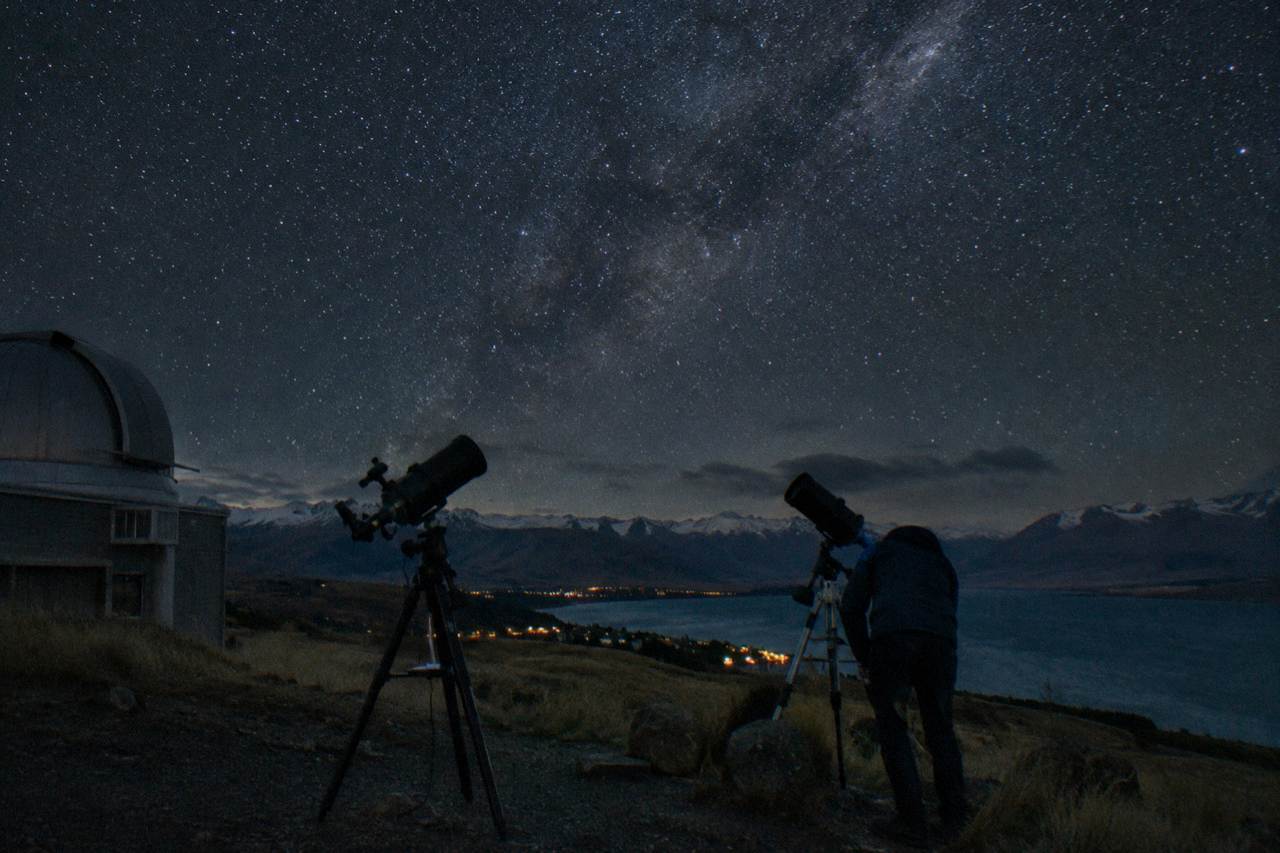
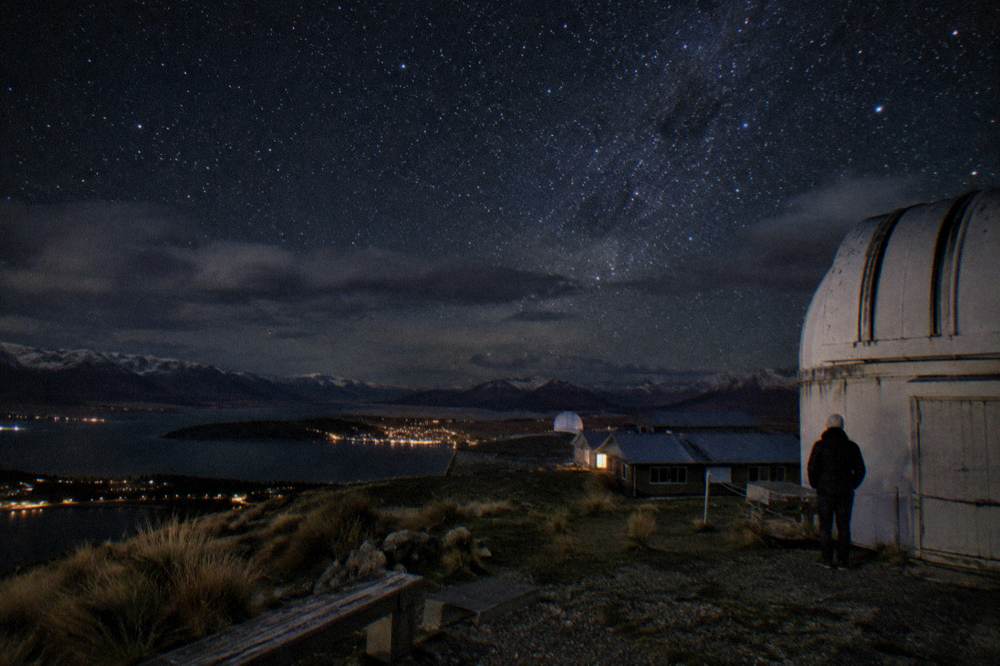
The viewing itself is different in kind, not just quality. The summit tour centres on a 16 inch telescope inside a dome at a working research observatory, with the storytelling of an astronomy guide and the panorama from the top of Mount John. The crater tour uses 14 inch telescopes in the open, moved between sheltered private craters, with laser pointing and a guide who tailors the night to what is actually visible. Neither the operator nor this article will promise what the sky shows: the Milky Way, planets and any aurora all depend on weather and moonlight, and the operator says plainly it cannot guarantee what you will see.
Money-wise, the gap is straightforward at the from-prices. Summit from $133.00 per person, crater from $80.88 per person. For a couple the difference adds up to a meaningful sum across two tickets. Whether the dome, the summit and the jackets are worth that premium is a personal call, but the rating pattern suggests most guests think so at the summit end and are more divided at the crater end.
How Do Dark Sky Project Prices Compare With Other Lake Tekapo Stargazing Tours?
The two Dark Sky Project tours bookend the upper half of the Tekapo stargazing market: Crater from $80.88 and Summit from $133.00 per person. The cheapest guided option in the village is Silver River's alpine stargazing at $55.00 per person, rated 4.6 across 864 reviews, and the highest rated tour with more than 100 reviews is Chameleon Stargazing at 4.9 across 788, from $72.00 per person.
The full six-tour field looks like this, using the listed from-prices and review figures.
| Tour (operator) | From price per person | Duration | Rating and reviews | Group max | Min age |
|---|---|---|---|---|---|
| Alpine Stargazing Experience with a Guide (Silver River) | $55.00 | 1 hr 15 min | 4.6 across 864 | 10 | Not stated |
| Stargazing Experience (Chameleon) | $72.00 | 1 hr 30 min | 4.9 across 788 | Not stated | Not stated |
| Cowan's Private Observatory Crater Experience (Dark Sky Project) | $80.88 | 1 hour 30 minutes | 3.9 across 91 | 22 | 5 |
| Soak in the Stars (Tekapo Star Gazing) | $101.55 | 1 hr 30 min | 4.3 across 121 | 34 | 10 |
| Ultimate Stargazing Experience (Go Tekapo) | $124.24 | 2 hrs | 5.0 across 17 | 10 | Not stated |
| Mount John Summit Experience (Dark Sky Project) | $133.00 | 1 hr 45 min | 4.6 across 347 | Not stated | 10 |
If the idea of soaking in hot pools under the stars appeals, the guide to the Tekapo hot pools and stargazing tour explains what to expect and how it stacks up against the dry stargazing options.
Read honestly, the table says two things. First, the Dark Sky Project's premium is real but not extreme: the summit tour is the most expensive stargazing night in the village, and the crater tour sits mid-pack. Second, the independent operators hold the two biggest review pools in the village. Silver River's 864 reviews at $55.00 make it the cheapest and most reviewed stargazing tour at Tekapo, and Chameleon's 788 reviews at 4.9 give it the strongest rating of any tour here with more than 100 reviews. Those two numbers are the strongest counterargument to a Dark Sky Project booking, and any honest worth-it answer has to put them on the page.
What the table cannot show is the differences in kind. Only the summit tour goes up Mount John after dark, and only the Dark Sky Project products run from the lakefront base at 1 Motuariki Lane with its observatory heritage story. Chameleon meets at 70 Andrew Don Drive and adds hot chocolate, marshmallows and a fire bowl. Silver River includes roundtrip transport from its check-in office to its stargazing site plus warm down jackets. Go Tekapo runs the longest night at 2 hours with a 16 inch telescope and a group cap of 10, though from just 17 reviews. The Soak in the Stars tour blends hot pools with the sky; it runs even if none of the sky is visible, with an indoor session instead, and under 30 minutes of telescope viewing earns a 25% refund.
For a fuller weighing of value across the whole village, the companion piece on whether a Tekapo stargazing tour is worth it works through the cheaper end of the market, and Lake Tekapo Day Tours covers every category from Christchurch day trips to scenic flights.
What Happens If Cloud Covers The Lake Tekapo Sky?
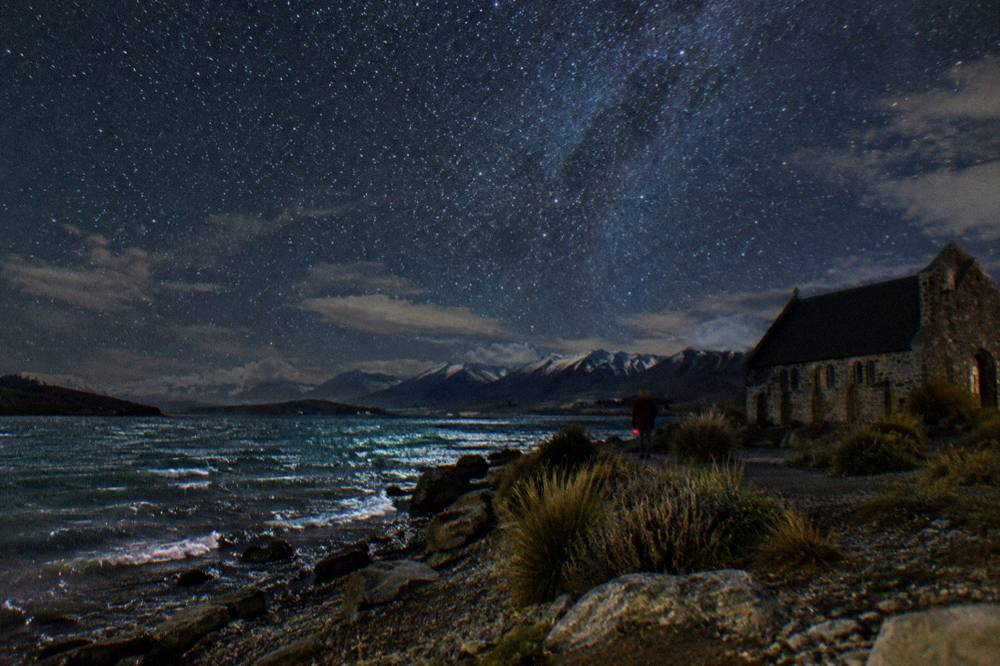
If outdoor stargazing is not possible, Dark Sky Project guests are offered an alternative night-time indoor experience, or a reschedule subject to availability, a voucher or a refund. The operator publishes no fixed cancellation hours for this, and the indoor alternative is not a guaranteed sky view. Booking pages for all 25 tours on this site state free cancellation up to 24 hours before the start for a full refund.
This is where the two flagship products and the rest of the village genuinely diverge. The Mount John Summit Experience is weather dependent: in bad weather the tour may be cancelled, with an indoor alternative or a full refund offered. The Crater Experience follows the same pattern, an alternate indoor experience may be offered if weather prevents the outdoor night. Nobody should book either tour expecting a refund to be automatic, and nobody should treat the indoor session as a substitute sky.
The independent operators handle cloud differently, and it matters at decision time. The Tekapo Star Gazing hot-pool tour runs even if some or none of the sky is visible, with an indoor session instead, and the booking page states a 25% refund if under 30 minutes of telescope viewing happens, plus an alternative date or full refund if snow, extreme ice or lightning cancels it. Chameleon and Silver River state the standard free cancellation up to 24 hours before the start, with operators deciding on the day about weather. The practical read: if you want a tour that definitely runs regardless of cloud, the hot-pool product is the one designed for that, at the cost of a weaker sky focus.
Timing your night around the moon is the one lever a visitor controls. Around new moon the sky is at its darkest, and a full moon washes out faint objects. New moon falls around 9 November 2026, 9 December 2026, 7 January 2027, 6 February 2027 and 8 March 2027; full moon around 24 November 2026, 24 December 2026, 22 January 2027, 21 February 2027 and 22 March 2027. Picking a night a few days either side of a new-moon date materially improves the faint-object viewing any tour can offer, summit or crater alike.
For a deeper treatment of the whole cloud question, including what each operator owes you, see what happens when a Tekapo stargazing tour is cancelled for cloud.
Is The Rating Gap Between Summit And Crater A Warning?
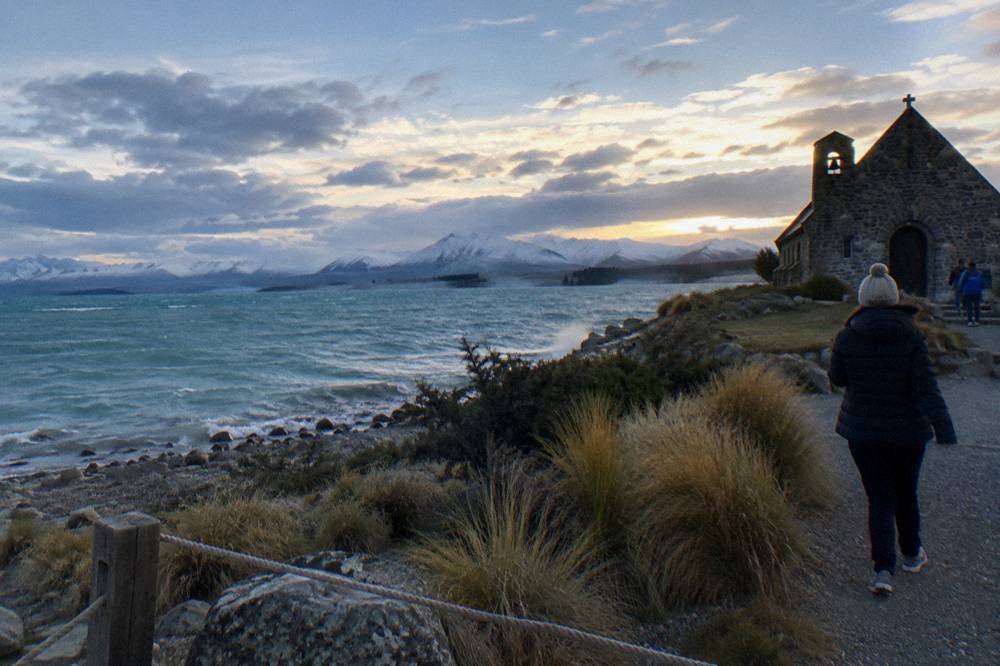
Partly. The Summit Experience at 4.6 across 347 reviews performs in line with the village average for large-pool tours, while the Crater Experience at 3.9 across 91 reviews is the lowest rated stargazing tour at Lake Tekapo with a review pool over 50. The gap is consistent with what the products offer: the crater night is shorter, cheaper and more exposed to weather, and expectations set by the summit price do not travel down. Whichever option you lean toward, the guide to moon phases and Milky Way viewing at Lake Tekapo explains how the night you choose affects what you actually see.
Three star-tenths across a 91-review pool is a meaningful signal, not a rounding artefact, but it deserves a fair reading. The crater tour is the entry product: 1 hour 30 minutes, minimum age 5, group capacity listed at 22, and a from-price about 40 percent less than the summit's. Guests arrive with the Dark Sky Project brand expectation, formed largely by the summit product and the reserve's reputation, and some find the shorter open-air night with 14 inch telescopes does not match it. The sheltered craters help with wind, yet an open site in the Mackenzie Basin in any season is still an open site.
The summit number deserves a fair reading too. At 4.6 it matches Silver River's alpine tour exactly, and both sit below Chameleon's 4.9. Village-wide, the stargazing category's strongest rating with a large pool belongs to an independent operator. That does not make the summit tour a poor choice; it makes it one of several well-regarded nights whose specific appeal is the mountain, the dome and the road, none of which the cheaper tours can replicate. Readers who want the full argument on whether any of these nights earn their price can start with choosing a Lake Tekapo stargazing tour, which covers the operator in depth.
Who Should Skip The Dark Sky Project At Lake Tekapo?
Skip it if your budget is under $80 per person, if anyone in your group is under 5, or if you want the highest-rated stargazing tour in the village, Chameleon's at 4.9 across 788 reviews. Silver River's $55.00 alpine tour, Chameleon's 4.9-rated night and the hot-pool Soak in the Stars product each win one of those contests outright.
For everyone else, the Mount John summit tour wins the contests that remain: the observatory summit, the dome telescope and the road after dark.
Budget first. The Silver River alpine tour at $55.00 per person is the cheapest stargazing night at Tekapo and also the most reviewed, 864 reviews at 4.6, with warm down jackets stated and a group cap of 10. For a traveller whose question is purely whether a good guided telescope night is worth doing, that tour answers it for well under half the summit price. The Chameleon stargazing experience at $72.00 carries the strongest rating of any tour here with more than 100 reviews, 4.9 across 788, and adds hot chocolate and marshmallows around a fire bowl.
Families with very young children have one stated path: the Crater Experience's minimum age of 5. Families with children aged 5 to 9 therefore choose between the crater tour, with its 3.9 rating, and waiting, since the summit and the hot-pool tours both set the floor at 10. The other Tekapo stargazing tours do not state a minimum age.
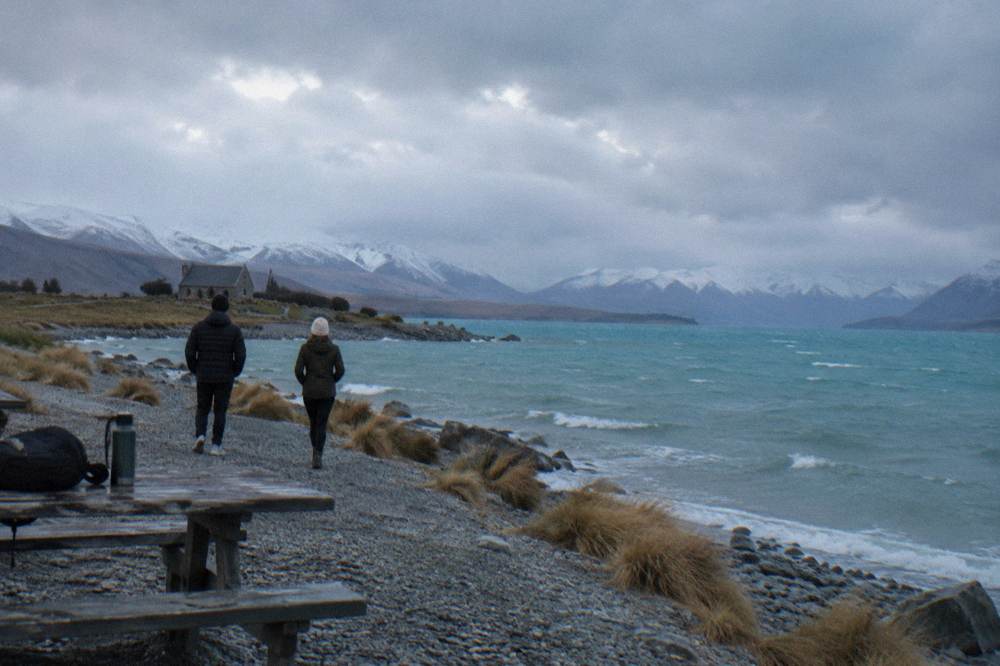
Travellers who cannot absorb a weather risk should weigh the hot-pool tour, which runs with an indoor session even under a fully clouded sky. And travellers whose real interest is the daytime side of Mount John, the summit cafe and the lake views rather than the night sky, can drive the access road in daylight instead: it is open daytime, a small road fee per vehicle is paid at the gate by card, and the summit cafe hours change, so check before going up. Road conditions on the wider network are worth a look at the NZTA Journey Planner on the day.
So Is The Dark Sky Project Worth The Money At Lake Tekapo?
Yes for the Summit Experience if the observatory summit, the dome telescope and the loaned jackets justify $133.00 per person and everyone is 10 or older: 4.6 across 347 reviews is a solid return. The Crater Experience at $80.88 is a defensible family choice with its age floor of 5, but its 3.9 across 91 reviews makes the cheaper independent tours the stronger default for adults.
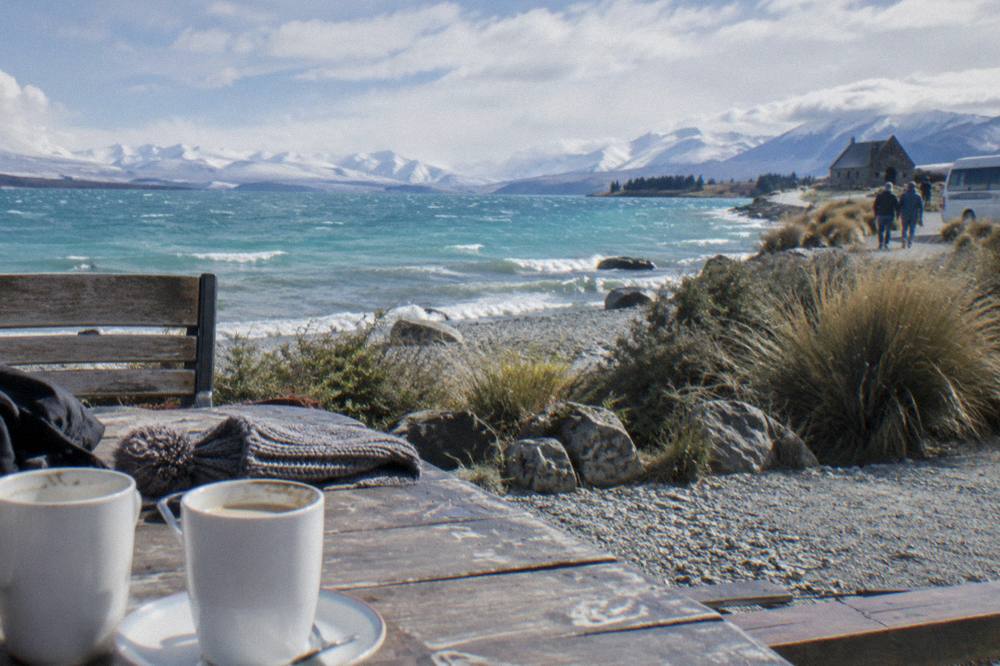
The final tally, weighed without sentiment: the Dark Sky Project sells a distinctive night in the village, though the two biggest independents cost less and rate as high or higher. Distinctive costs money. The summit road after dark, the working observatory and the extreme cold weather jackets exist nowhere else on this list, and for many visitors that combination is exactly the memory they came for. The 4.6 rating across a 347-review pool says most of them left happy.
Against that, the village's value leaders are unignorable. Half the price buys Silver River's jackets, transport and 864-review track record. About nine dollars less than the crater tour buys Chameleon's 4.9 rating and a fire bowl. The Dark Sky Project answers with the mountain, and the mountain is either worth the premium to you or it is not. There is no wrong answer, only an informed one, and the table above gives every figure needed to make it. Background on the reserve itself, including its 2012 designation, is on the International Dark-Sky Association's places pages, and the DOC guide to the wider national park is at doc.govt.nz.
Book whichever night fits, keep the 24-hour free cancellation wording in mind when plans shift, and give the moon a glance before you pick a date.
Common Questions About The Dark Sky Project At Lake Tekapo
Is The Dark Sky Project Stargazing Tour Worth It?
For most travellers, yes, specifically the Summit Experience: $133.00 from-price buys a 1 hour 45 minute guided night on Mount John with a 16 inch dome telescope, loaned jackets and summit access, rated 4.6 across 347 reviews. Budget travellers get a comparable guided night from Silver River at $55.00, and the crater tour suits families with children aged 5 and up.
Which Dark Sky Project Tour Is Better, Summit Or Crater?
The Summit Experience rates higher, 4.6 across 347 reviews against 3.9 across 91, runs 15 minutes longer, has the bigger telescope in a dome and loans extreme cold weather jackets, with a minimum age of 10. The Crater Experience is cheaper at $80.88, runs 1 hour 30 minutes, uses 14 inch telescopes in sheltered craters and accepts children from age 5, but states nothing about jackets.
Do You Need To Book The Dark Sky Project In Advance At Lake Tekapo?
Same-day bookings are possible at the base at 1 Motuariki Lane, but the operator says spots are limited on both tours. Tours run seven days with times that follow sunset, and check-in is 15 minutes before departure. In the December and January high season, when true darkness starts near 10 pm, booking ahead is the safer play.
What Happens If It Is Cloudy On The Night Of The Tour?
If outdoor stargazing is not possible, guests are offered an alternative night-time indoor experience, or a reschedule subject to availability, a voucher or a refund. The indoor alternative is not a guaranteed sky view. The operator publishes no fixed cancellation hours, and booking pages state free cancellation up to 24 hours before the start for a full refund.
Are The Dark Sky Project Tours Good For Children?
The Crater Experience states a minimum age of 5, making it the only stargazing tour at Tekapo in this comparison that publishes an age floor that low. The Summit Experience sets the minimum at 10, partly because of the roughly 100 m gravel incline walk in the dark at 1,029 m. The Tekapo Star Gazing hot-pool tour also states a minimum age of 10.
Is The Dark Sky Project The Highest Rated Stargazing Tour At Lake Tekapo?
No. The highest rated stargazing tour here with more than 100 reviews is the Chameleon Stargazing Experience at 4.9 across 788 reviews, from $72.00 per person. The Dark Sky Project Summit Experience sits at 4.6 across 347 reviews, level with Silver River's alpine tour at 4.6 across 864.