Is A Tekapo Stargazing Tour Worth It?
An honest verdict on paying for a Lake Tekapo stargazing tour: what the tours cost, what you get beyond free stargazing, and which one suits you.
Yes, for most visitors a Lake Tekapo stargazing tour is worth the money, because it adds telescopes, a guide who can name what you are seeing, warmth, and transport to a genuinely dark site, none of which the free lake shore offers. Tours start at $55.00 per person, the most reviewed option holds a 4.6 rating across 864 reviews, and every booking page here includes free cancellation up to 24 hours before the start for a full refund. And if you would rather keep the night free, the article on free stargazing spots around Lake Tekapo covers where to lay a blanket and what you give up by skipping a guided session.
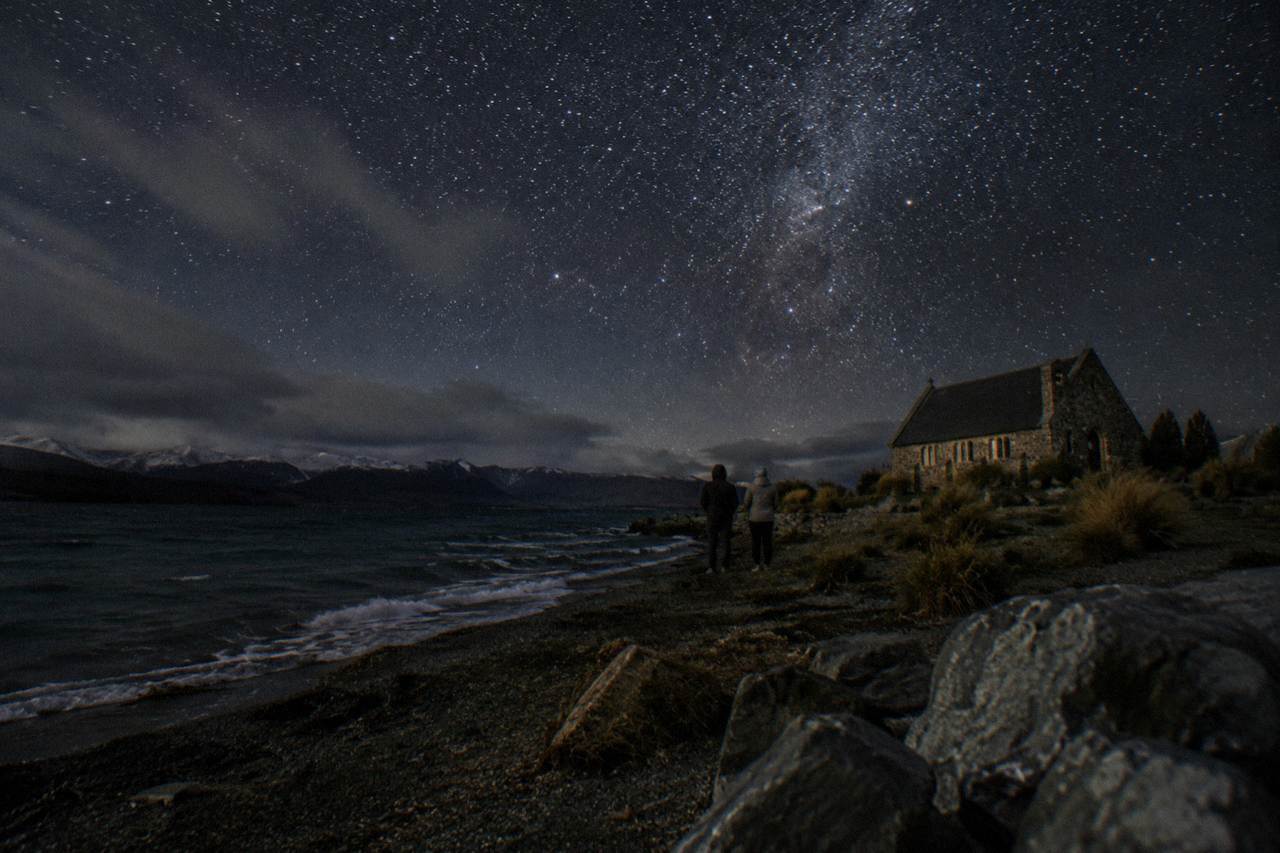
That is the short answer. The longer answer depends on what kind of traveller you are, because Lake Tekapo sits inside the Aoraki Mackenzie reserve, designated in 2012 as an International Dark Sky Reserve, a 4,367 km2 area covering Aoraki / Mount Cook National Park and the Mackenzie Basin, where outdoor lighting controls date from the early 1980s. You can walk out of your hotel, look up, and see more stars than almost anywhere else in New Zealand without spending a dollar. So the fair question is not whether the sky is worth it, it is whether the tour adds enough on top of a sky you can already see for free. For the daylight version of that question, the guide to whether a Lake Tekapo day tour is worth the money weighs the long coach ride against how much time you actually get at the lake.
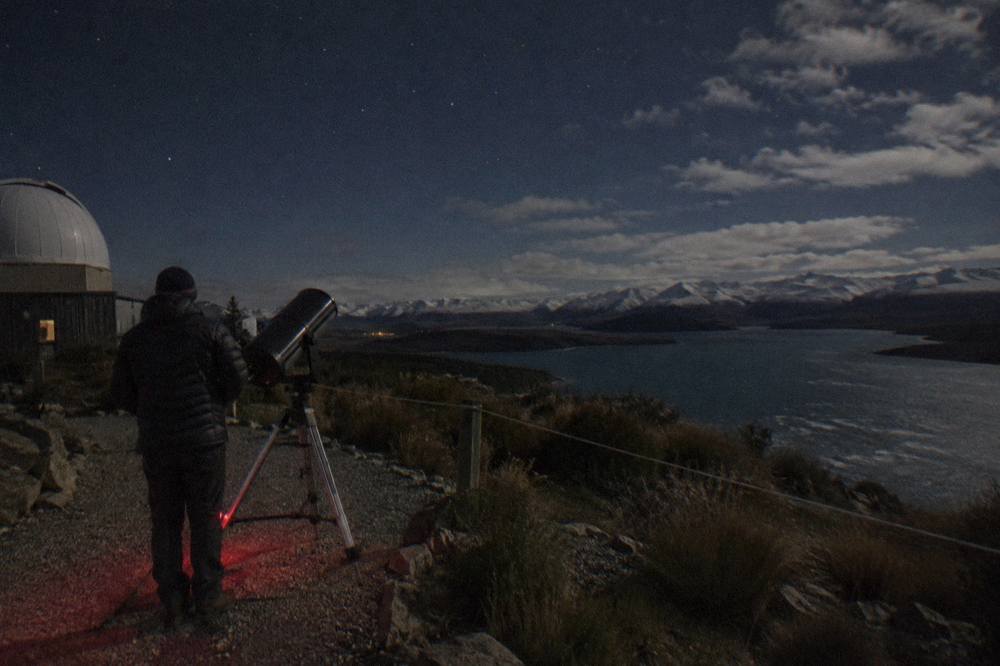
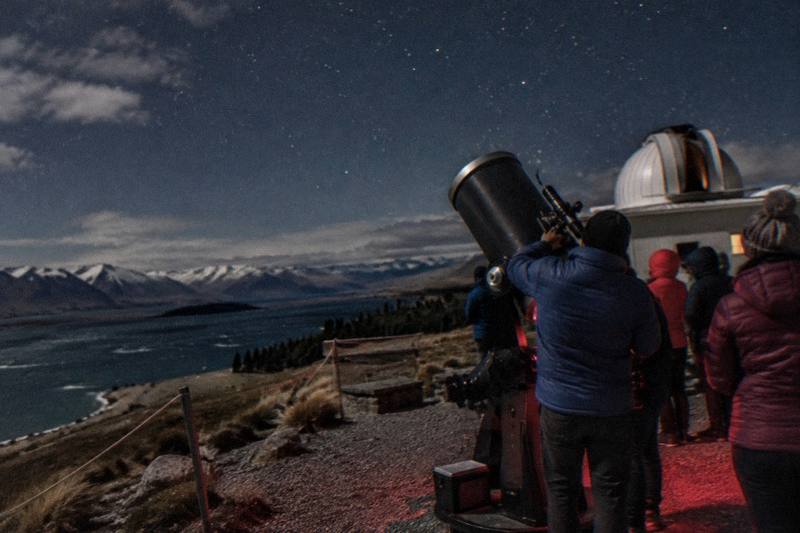
For a lot of people it does. A telescope turns a faint smudge into structure: the operator of the Dark Sky Project experiences says guides cannot guarantee what you will see, since the Milky Way and any aurora depend on weather and moonlight, but a 14 or 16 inch telescope shows planets and star clusters in a way no naked eye can. A guide tells you which dot is which. Warm jackets, included on two of the tours covered here, matter more than people expect: nights are cold at Tekapo even in summer, and the lake sits at about 710 m above sea level. And transport to a sheltered or elevated site means you are not standing on a roadside hoping for the best. If you're weighing which of the two Dark Sky Project experiences suits you best, the side-by-side comparison of the two Dark Sky Project tours covers prices, tour lengths, included jackets and what happens when cloud rolls in.
For others the free option wins. If you are travelling on a tight budget, happy to drive or walk to a dark spot outside the village lights, and confident reading a star map app, the reserve's darkness does the heavy lifting on its own. The tour is a layer of comfort and knowledge on top of that darkness, and only you can price that layer.
The three most reviewed stargazing options at Tekapo, compared below and throughout this article, are the Silver River alpine experience, the Chameleon experience, and the Dark Sky Project's Mount John summit tour.
If your answer to "worth it" hinges mostly on price, the next section breaks down exactly what each tour charges and what that figure includes, because the differences between them are bigger than the price gaps suggest.
What Does A Lake Tekapo Stargazing Tour Cost?
Lake Tekapo stargazing tours cost between $55.00 and $133.00 per person across the three biggest operators. Silver River's Alpine Stargazing Experience is cheapest at $55.00 (4.6 stars from 864 reviews), Chameleon Stargazing is priced from $72.00 (4.9 stars from 788 reviews), and the Dark Sky Project's Mount John Summit Experience starts at $133.00 (4.6 stars from 347 reviews).
Those are "from" prices, per person, exactly as the operators publish them. Here is the full field of stargazing tours available at Tekapo, so you can see the spread before deciding whether any of them fits your budget.
| Tour | Operator | From (USD, per person) | Duration | Rating and reviews | Group max |
|---|---|---|---|---|---|
| Alpine Stargazing Experience with a Guide | Silver River Stargazing | $55.00 | 1 hr 15 min | 4.6 across 864 | 10 |
| Stargazing Experience | Chameleon Stargazing | $72.00 | 1 hr 30 min | 4.9 across 788 | Not stated |
| Stargazing at Cowan's Private Observatory | Dark Sky Project | $80.88 | 1 hr 30 min | 3.9 across 91 | 22 |
| Soak in the Stars (hot pools and stargazing) | Tekapo Star Gazing | $101.55 | 1 hr 30 min | 4.3 across 121 | 34 |
| Ultimate Stargazing Experience | Go Tekapo | $124.24 | 2 hours | 5.0 across 17 | 10 |
| Mount John Summit Experience | Dark Sky Project | $133.00 | 1 hr 45 min | 4.6 across 347 | Not stated |
If pairing a hot soak with the night sky appeals, the guide to Tekapo's hot pools and stargazing tour explains what the experience includes and how it compares with the dry stargazing options.
A few things to read carefully in that table. The two cheapest tours are also the two most reviewed, which tells you where the volume is. The Go Tekapo Ultimate Experience carries a perfect 5.0, but across only 17 reviews, so treat that as a small sample rather than proof. The Cowan's Observatory session is the Dark Sky Project's lower-priced crater option at 1 hour 30 minutes with a minimum age of 5, using 14 inch telescopes, while the summit tour uses a 16 inch telescope in a dome and sets a minimum age of 10.
What the prices do not include, in most cases, is a lift from your hotel. Chameleon's experience explicitly lists no hotel pickup: you meet at 70 Andrew Don Drive, a four-minute drive from the village centre. Both Dark Sky Project tours include return transport from the operator's base at 1 Motuariki Lane to the stargazing site, but hotel pickup is not included. Silver River includes roundtrip transport from its check-in office at 12 Rapuwai Lane out to the stargazing site. Plan on making your own way to check-in, typically 15 minutes before departure for the Dark Sky Project tours.
Every booking page for these tours states free cancellation up to 24 hours before the start for a full refund, which softens the gamble considerably: you are not locked in if the forecast turns, and weather calls are made by the operator on the day. The broader price guide puts these figures in context against the site's full range, where the median from-price across the site's per-person tours is $199.69 per person, making stargazing the cheapest category of tour at Tekapo by a wide margin. If cost is the deciding factor, the Tekapo stargazing tour guide walks through each operator in more depth.
What Do You Get Beyond Free Stargazing At Lake Tekapo?
Paid tours add four things the free shore cannot: telescope time on 14 to 16 inch instruments on the bigger tours, a guide who names planets, clusters and constellations while pointing them out, warmth through loaned jackets on two tours and blankets or fire bowls on others, and transport to a darker or more sheltered site than the village shore, turning a cold hour of guessing into a structured session where someone else handles the finding.
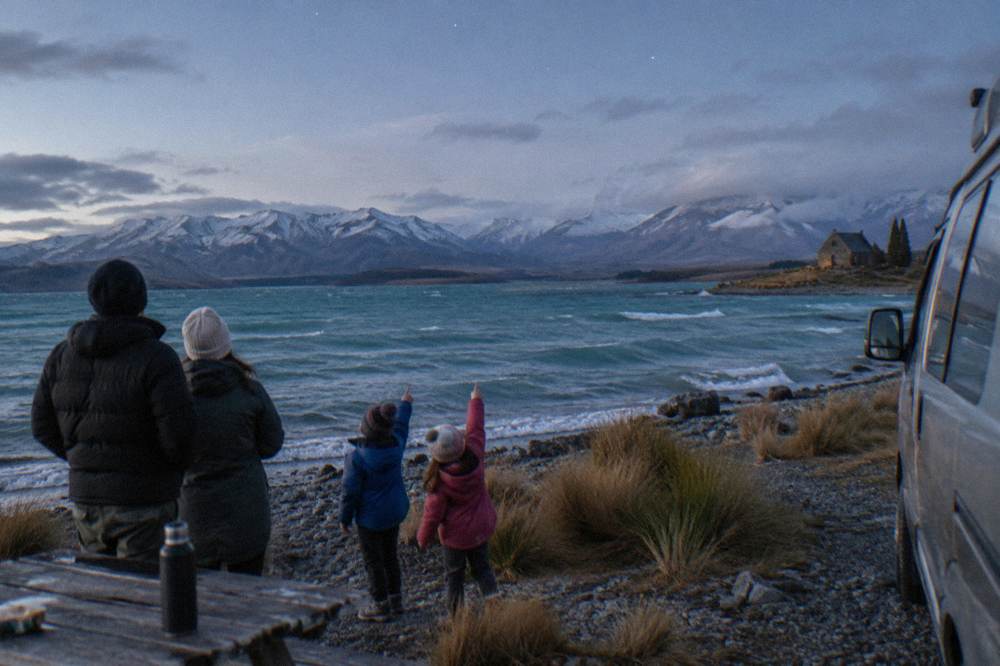
The free option deserves honesty first. Step away from Tekapo's village lights on a clear, moonless night and the reserve's sky delivers: lighting controls here have protected the darkness since the early 1980s, long before the 2012 international designation. Around new moon the sky is at its darkest, while a full moon washes out faint objects, so timing your free night matters as much as timing a paid one. If you own binoculars, know a handful of constellations, and packed a serious coat, the free sky is genuinely good.
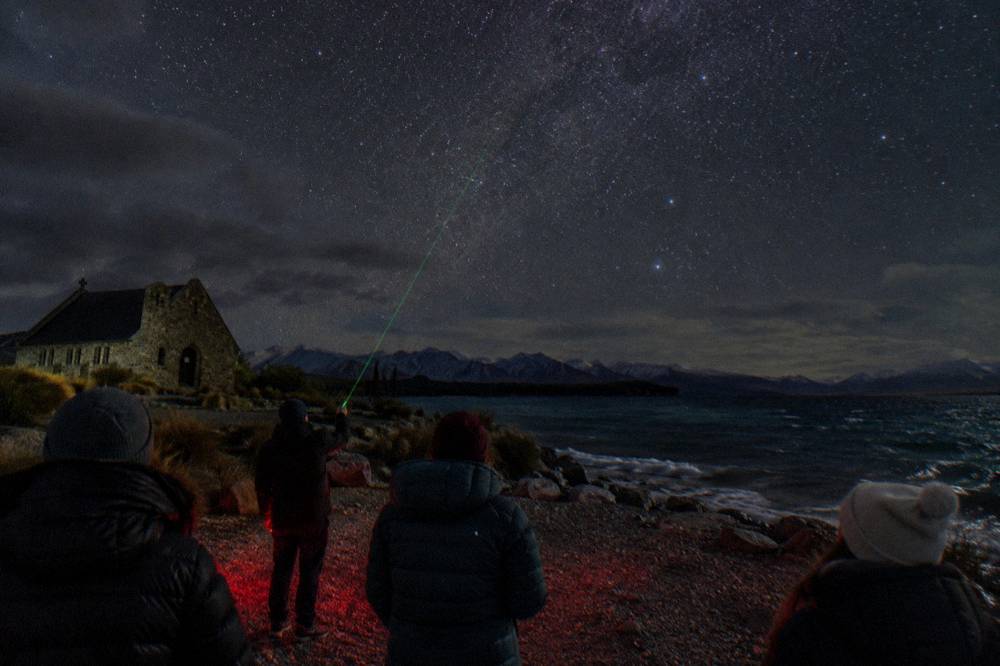
What the tours add, concretely, is equipment and expertise. The Silver River experience includes use of 14 inch modern telescopes, warm down jackets, a link to a digital photo, and roundtrip transport from the check-in office to the stargazing site, all in 1 hour 15 minutes from $55.00. Chameleon's session brings a 9.25 inch telescope plus a smart telescope, an astronomy guide, edited photos, outdoor seats with pillows, mattresses and blankets, and hot chocolate with marshmallows around a fire bowl, lactose-free and gluten-free options available on request. The Dark Sky Project's summit tour adds the one thing no other tour can: exclusive evening access to the Mount John Observatory summit at 1,029 m, reached by a roughly 15-minute bus ride from the base, with extreme cold weather jackets loaned.
That warmth line matters more than it sounds. A common question with its own answer, whether you get cold on a Tekapo stargazing tour, has a short answer: yes, often very, and the tours that supply jackets or blankets remove the single most common reason people cut a session short. Only two tours in the whole set of Tekapo tours here list warm jackets as included, and both are stargazing tours.
Is that package worth $55 to $133 against a free lake shore? If you have never looked through a large telescope, the first sight of Saturn's rings or a globular cluster resolved into hundreds of stars is usually the moment people stop doing the maths. If you have, and you run your own gear, the guide and transport matter less, and the free sky may be all you need.
Which Lake Tekapo Stargazing Tour Should You Choose?
Choose by what you want from the night: the Silver River Alpine Stargazing Experience from $55.00 is the cheapest and most reviewed way to get telescopes, jackets and transport; Chameleon's experience from $72.00 adds the most comfort, with blankets, seats, a fire bowl and hot chocolate; the Dark Sky Project's Mount John Summit Experience from $133.00 is the pick for the observatory summit itself and the biggest telescope, with a minimum age of 10.
The budget-and-quality pick is Silver River. At $55.00 per person for 1 hour 15 minutes, with a 4.6 rating across 864 reviews, a cap of 10 guests, loaned down jackets, 14 inch telescopes and transport from the check-in office at 12 Rapuwai Lane to the site, it covers every element a first-time stargazer actually needs. Meet at the start point; hotel pickup is not mentioned, and the office is a short distance from the village. It delivers the core experience at the lowest price with the deepest review pool behind it.
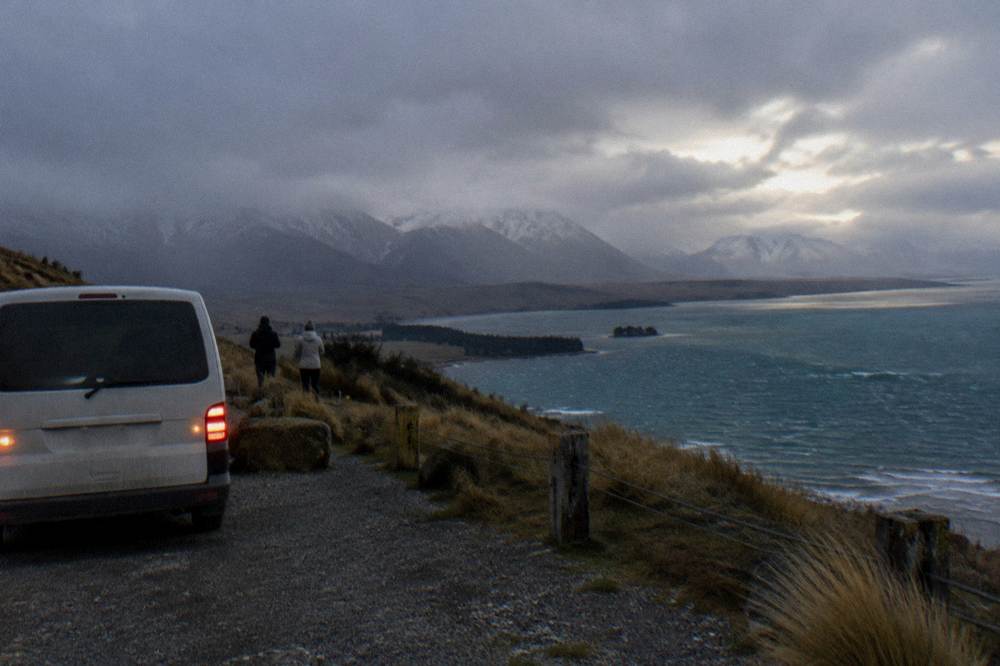
The comfort pick is Chameleon, from $72.00. It is the highest rated tour here with 100 or more reviews, 4.9 across 788, and its inclusion list reads like someone asked what makes a cold night pleasant: seats, pillows, mattresses, blankets, a fire bowl, marshmallows and hot chocolate, plus telescope time and edited photos. You meet at 70 Andrew Don Drive, a four-minute drive from the village centre, with no transport listed, so factor a short drive or walk into your plan.
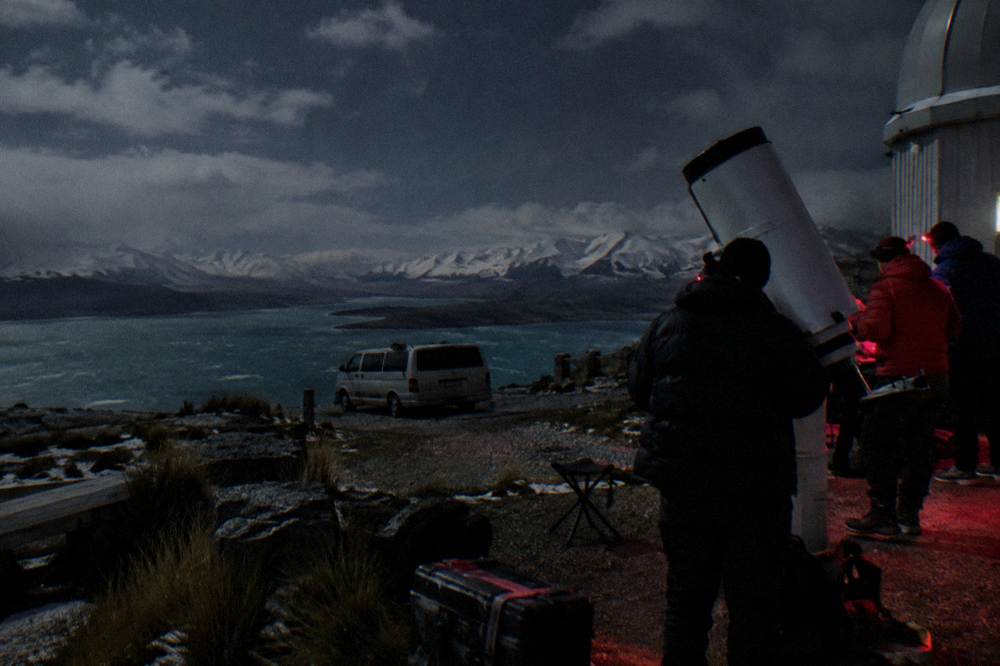
The destination pick is the Dark Sky Project's Mount John Summit Experience, from $133.00, rated 4.6 across 347 reviews. What you are paying for is the summit: exclusive evening access to the observatory road and viewpoint at 1,029 m, a 16 inch telescope in a dome, an extreme cold weather jacket, and return transport from the base at 1 Motuariki Lane. It runs 1 hour 45 minutes, needs moderate fitness for a walk of about 100 m up a gravel incline plus a few steps in the dark, is not wheelchair accessible, sets a minimum age of 10, and photos are allowed with the flash off. Two alternatives sit nearby in the market: the same operator's Cowan's Observatory session at $80.88 with a minimum age of 5 and a group cap of 22, and the Soak in the Stars combination from Tekapo Star Gazing at $101.55, which meets at Tekapo Springs and blends hot pools with a guided sky session for a minimum age of 10.
| If you want... | Best fit | Why |
|---|---|---|
| The lowest price with gear and transport | Silver River, from $55.00 | 14 inch telescopes, jackets, transport, 10-guest cap, 864 reviews |
| Comfort on a cold night | Chameleon, from $72.00 | Blankets, seats, fire bowl, hot chocolate, 4.9 across 788 |
| The observatory summit | Dark Sky Project Summit, from $133.00 | Exclusive evening summit access, 16 inch telescope, jackets, age 10+ |
| Young children along | Cowan's Observatory, from $80.88 | Minimum age 5, 1 hour 30 minutes, transport from the base included |
| Hot pools as well | Soak in the Stars, from $101.55 | Hot pool use is part of the ticket, minimum age 10 |
Is Lake Tekapo's Sky Actually Better Than Other Places?
Yes, in a specific, verifiable way: Lake Tekapo sits inside the Aoraki Mackenzie reserve, designated in 2012 as an International Dark Sky Reserve, a 4,367 km2 area spanning Aoraki / Mount Cook National Park and the Mackenzie Basin, with outdoor lighting controls in place since the early 1980s to protect Mt John Observatory. That combination of geography and regulation is rare, and it is why the village is a stargazing destination rather than just a pretty lake.
The lake itself sits at about 710 m above sea level, and its turquoise colour comes from glacial rock flour suspended in the water, a daytime spectacle that draws the coaches long before dark falls. The darkness is the deliberate part. Local lighting rules reaching back to the early 1980s protect the University of Canterbury's Mt John Observatory, and the international designation in 2012 recognised what the basin had protected for decades. The reserve's story is documented by the International Dark-Sky Association on its place page for the reserve.
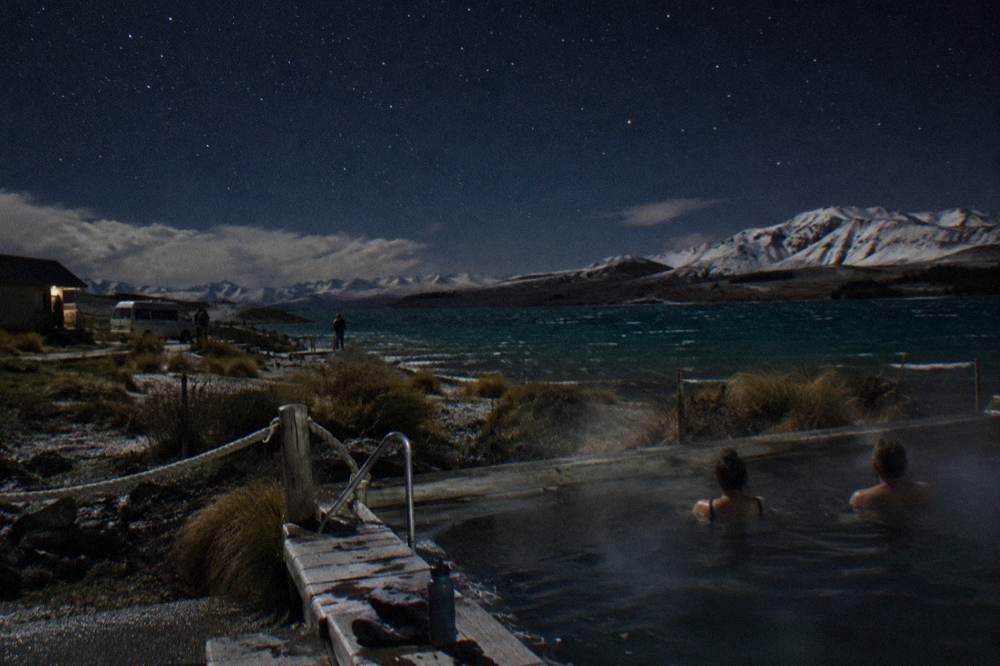
None of that guarantees you a view on your night. The operators themselves say they cannot promise what you will see; the Milky Way and the Aurora Australis depend on weather and moonlight, and no tour here sells a sky. What the designation does guarantee is that when the sky cooperates, the ceiling above Tekapo is about as dark as a settled landscape gets. That is also why the answer to the worth-it question tilts yes for a one-night visitor: you may not get a second clear night, and a guide with a telescope extracts far more from the one you get.
When Is The Best Time For A Tekapo Stargazing Tour?
Book around a new moon for the darkest skies, or in winter for the longest nights, since there is no single best month for a Tekapo stargazing tour. Tour times follow sunset: midsummer sessions start late, often near 10 pm, while autumn and winter nights begin early and run long, and new moons fall near 9 November 2026, 9 December 2026 and 6 February 2027.
In practical terms, plan around two clocks. The first is the moon: book within a few days either side of a new moon and faint objects like galaxies and nebulae stand their best chance. The second is the sun: sunset at Tekapo sits around 8:30 pm in early November, around 9 pm in December and about 9:20 pm at the solstice, falling back to about 8 pm by mid March, which is why stargazing tour times here follow the sunset rather than a fixed hour. In December and January, true darkness for stargazing starts roughly 10 pm.
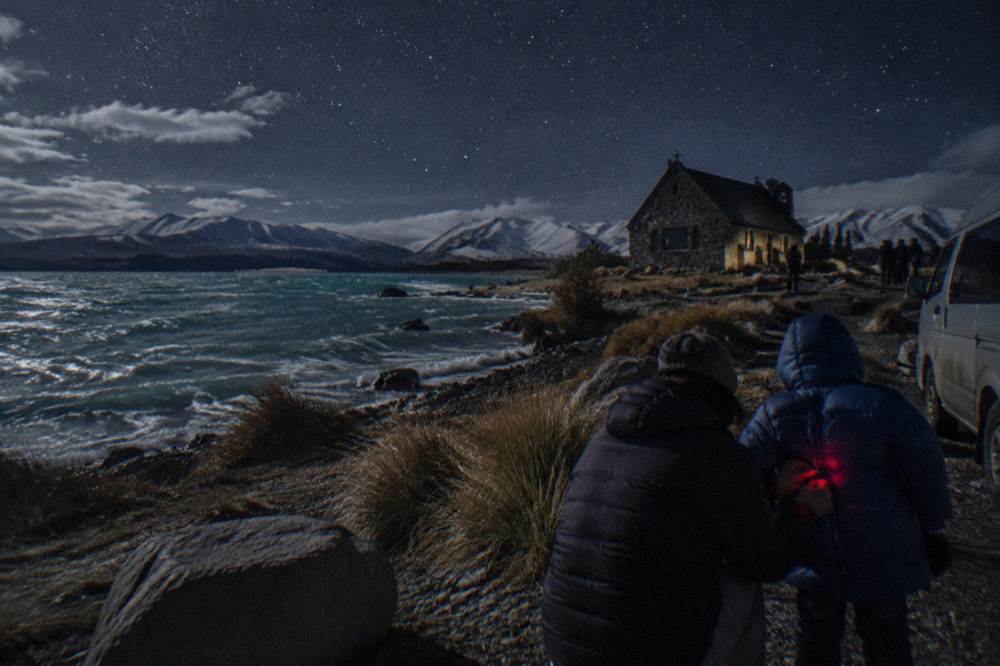
Season matters less than people assume, and more. Snow is possible from June to August, nights are cold even in summer, and the Dark Sky Project's summit tour hands out extreme cold weather jackets for good reason. A winter visit buys you early darkness and long nights; a summer visit buys lupins on the river flats, usually in bloom from late November to early January with the peak varying by year, at the cost of a late start. Neither season owns the sky. The deeper timing question, including how darkness shifts through the year, is covered in the piece on the best time to stargaze at Lake Tekapo.
What If The Sky Is Cloudy At Lake Tekapo?
Cloud does not mean cancellation at Lake Tekapo: operators handle it differently, and a clear sky is not guaranteed. The Dark Sky Project offers an indoor night-time alternative, a reschedule subject to availability, a voucher or a refund, while Tekapo Star Gazing still runs its tour with an indoor session and a 25 percent refund if telescope viewing falls under 30 minutes, and all bookings can be cancelled free up to 24 hours before start for a full refund.
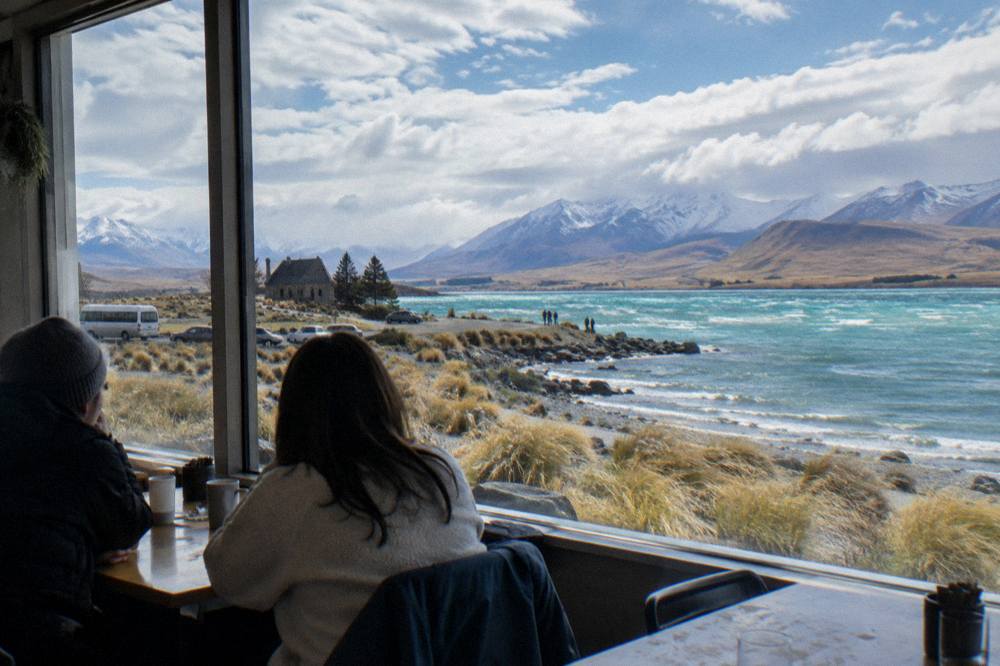
This is where the worth-it question gets tested, because a cloudy night can turn $133 into a bus ride and a jacket. Read the policies before you book rather than after. The Dark Sky Project publishes no fixed cancellation hours, and its indoor alternative is a different product from the outdoor tour, not a guaranteed sky view, so go in knowing the swap is possible. The hot-pools combination is the most cloud-tolerant design of the lot: you keep the soak regardless, and the operator states plainly that tours run even if some or none of the sky is visible, with the partial refund rule applying when telescope time is short.
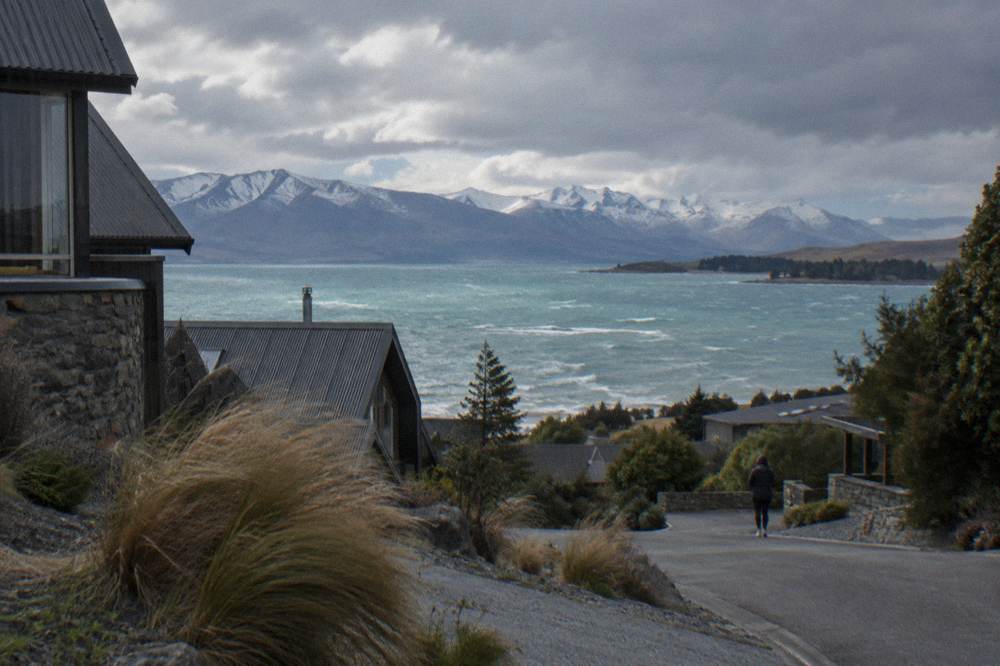
Two practical hedges follow. First, book early in your stay, not the night before you leave, so a reschedule is possible if the operator offers one. Second, hold a free backup: the reserve's darkness is not bookable, and if your paid night is clouded off entirely and refunded, a clear night later in your trip still costs nothing. The full range of operator policies, including what happens when cloud cancels a session, is laid out in the guide to Tekapo stargazing weather and cancellations, and the specifics of a clouded-out night in what happens when a tour is cancelled for cloud.
Is A Stargazing Tour Worth It With Kids At Lake Tekapo?
Yes, provided you pick the right tour and the right child: only three tours state minimum ages, with the Dark Sky Project's Cowan's Observatory session admitting kids from age 5 and both the Mount John Summit Experience and Soak in the Stars hot-pools combination requiring age 10, and since evenings run late, nights stay cold even in summer, and sessions last 1 hour 15 minutes to 2 hours, your child matters more than the tour.
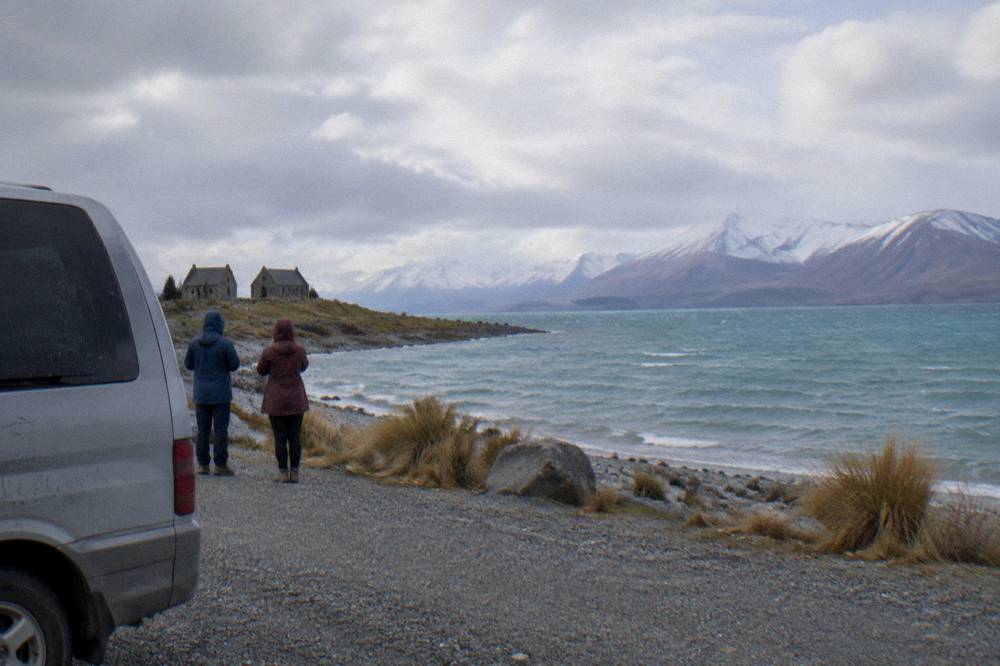
The crater session at Cowan's Private Observatory is the natural family entry: a minimum age of 5, 1 hour 30 minutes, 14 inch telescopes, guides using handheld lasers, and return transport from the Dark Sky base included, from $80.88 per person with a group cap of 22. The two age-10 options split by temperament. The summit tour suits a child who can walk 100 m up a gravel incline in the dark and stay engaged for 1 hour 45 minutes at 1,029 m in loaned extreme cold weather gear. The hot-pools combination suits almost any ten-year-old, because the floating hammocks and warm water carry the night even if the sky refuses to cooperate, with some hot drinks provided and a wool blanket for the outdoor stretches.
For toddlers and young children under 5, the honest answer is that no tour here states an age that low, and a free night on the village edge, briefly and warmly dressed, is the realistic option. Whenever you plan a family trip around Lake Tekapo, the wider day tour with kids guide covers the daytime half of the equation.
The Verdict On Paying For The Tekapo Sky
Yes, pay for a Tekapo stargazing tour if you are a first-time or once-only visitor who wants telescopes, guidance and warmth on an unrepeatable night; skip it if you are well equipped, flexible and carrying binoculars. Silver River prices the decision low at $55.00, Chameleon adds real comfort at $72.00, and the $133.00 Mount John summit sells a location nobody else can, all backed by free cancellation up to 24 hours before the start.
That is the whole shape of it. The sky is free, the equipment and expertise are not, and the gap between $55.00 and a walk down to the lake shore is small enough that most people who take the tour do not regret it, while the people who regret it are usually those who went in expecting a promised Milky Way. No operator here promises one. What they sell is the best possible chance of seeing the reserve's darkness properly, with someone warm, informed and equipped alongside you, on a site like Lake Tekapo Day Tours exists to help you compare honestly.
If you are still weighing the decision, the three tours most readers choose between are below, one last time.
Common Questions About Tekapo Stargazing Tours
Is A Tekapo Stargazing Tour Worth It?
For most visitors, yes. The sky is free, but a tour adds telescopes, an astronomy guide, warm jackets or blankets on several options, and transport to a darker site, from $55.00 per person with the most reviewed tour carrying 4.6 across 864 reviews. If you have your own gear and flexible nights, the free lake shore is a fair alternative.
Can You See The Milky Way On A Tekapo Stargazing Tour?
You may, but no operator promises it. The Dark Sky Project says plainly that it cannot guarantee what you will see, since the Milky Way and the Aurora Australis depend on weather and moonlight. Around new moon, when the sky is darkest, your chances are best.
What Is The Cheapest Stargazing Tour At Lake Tekapo?
The Silver River Alpine Stargazing Experience, from $55.00 per person for 1 hour 15 minutes, which includes loaned down jackets, 14 inch telescopes and transport from the check-in office to the stargazing site. It is also the most reviewed stargazing tour at Tekapo, 4.6 across 864 reviews.
Do The Stargazing Tours Include Hotel Pickup?
Generally no. Chameleon lists no transport and both Dark Sky Project tours state hotel pickup is not included, though both include return transport from the operator's base at 1 Motuariki Lane to the stargazing site. Silver River includes transport from its check-in office to the site. Plan to make your own way to check-in.
What Happens If It Is Cloudy On The Night Of The Tour?
Operators decide on the day. The Dark Sky Project may offer an indoor alternative, a reschedule subject to availability, a voucher or a refund; Tekapo Springs runs with an indoor session instead, with a 25 percent refund if telescope viewing falls under 30 minutes. All booking pages state free cancellation up to 24 hours before the start for a full refund.
Is There A Minimum Age For Tekapo Stargazing Tours?
Only three tours state one: the Dark Sky Project's Cowan's Observatory session from age 5, and both the Mount John Summit Experience and the Soak in the Stars hot-pools tour from age 10. The other operators do not state a minimum age, so check with them directly if travelling with young children.