Do You Get Cold On A Lake Tekapo Stargazing Tour?
Yes, Lake Tekapo stargazing nights are cold even in summer. Which tours supply jackets, what to wear, and how the hot pools tour handles the cold.
Lake Tekapo sits at about 710 metres above sea level, and the Dark Sky Project, which operates from 1 Motuariki Lane on the lakefront, tells its guests one thing without hedging: nights are cold even in summer. That single sentence shapes almost every practical decision a stargazing visitor makes, from which tour to book to what goes in your day pack. The stargazing products covered here, six of them running from Lake Tekapo village and its surroundings, differ sharply in how they handle the cold, and only two of them hand you a jacket.
Yes, you should expect to feel cold on a Lake Tekapo stargazing tour on almost any night of the year. The village sits at about 710 metres above sea level in the Mackenzie Basin, and the Dark Sky Project states that nights are cold even in summer. Snow is possible from June to August, and tours run in whatever the night serves up, so warmth is a planning question, not an afterthought.
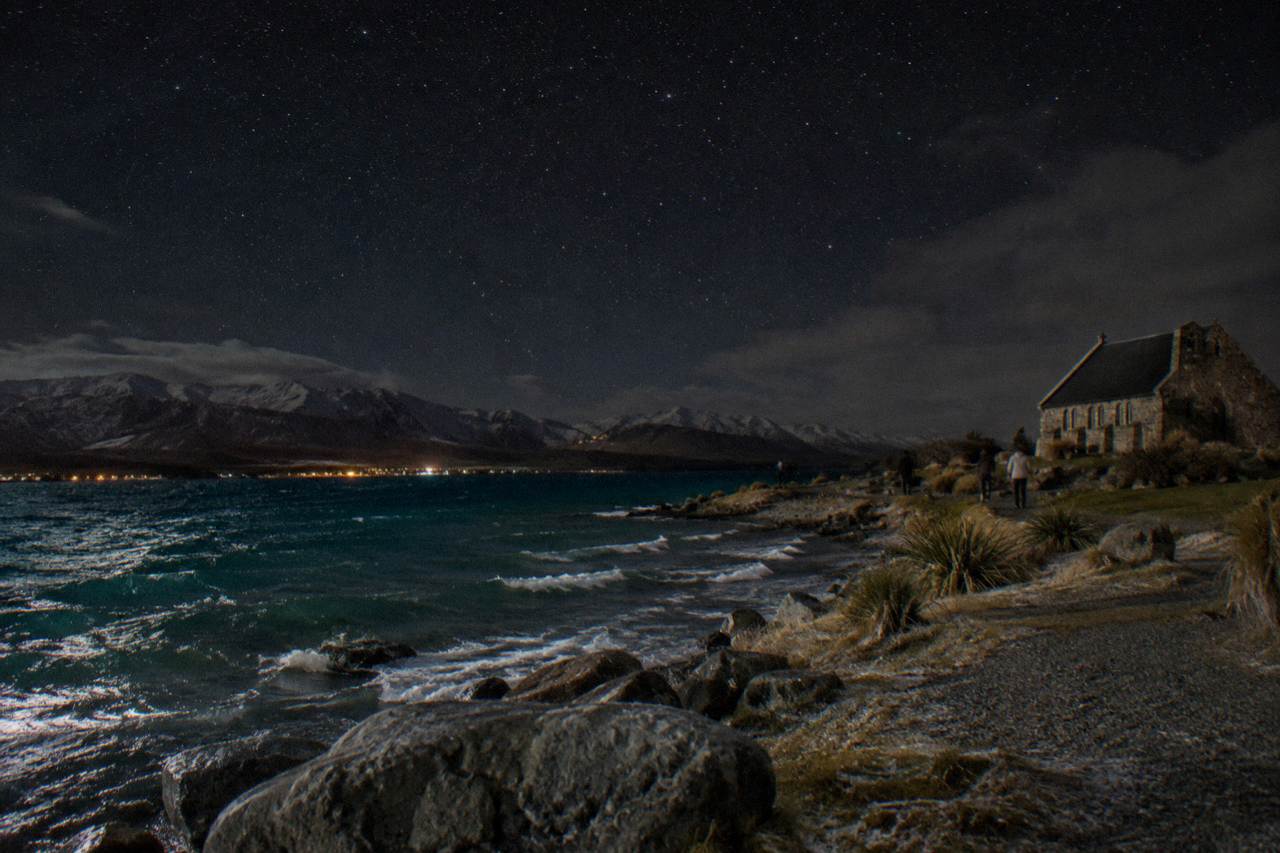
That answer surprises visitors who arrive in December or January expecting a mild New Zealand summer evening. Two things work against you at Tekapo. First, the altitude: at roughly 710 metres, nights cool quickly after sunset. Second, the very quality that makes Tekapo a stargazing destination also makes it cold. The area sits inside the Aoraki Mackenzie reserve, designated in 2012 as an International Dark Sky Reserve covering 4,367 square kilometres of the national park and the basin, as its place page records. Outdoor lighting controls date from the early 1980s and keep the surroundings dark, which means stargazing happens in open, unlit spaces with wind off the lake and the Southern Alps nearby.
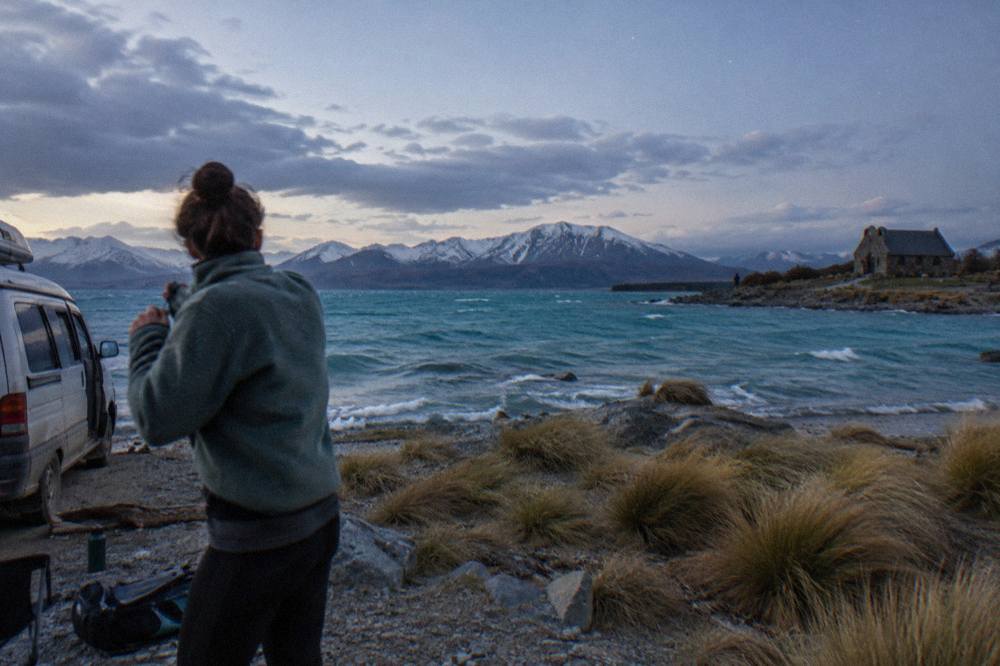
Tour timings make the cold worse in a way people rarely budget for. Sunset at Tekapo is around 8:30 pm in early November and around 9 pm in December, and true darkness in December and January starts roughly 10 pm. Stargazing tours follow sunset, so you are standing outside at the coldest part of the day, often after a full day of travelling, when your body is already tired. If you have driven roughly three hours from Christchurch or Queenstown that day, you will feel it.
The cold is manageable, and thousands of people manage it every year: the Silver River alpine stargazing tour alone has drawn 864 reviews and the Chameleon stargazing experience 788. But the reviews that go well tend to share one trait, and the people who struggle share another. Preparation, not toughness, is the difference. The sections below cover which tours lend you a jacket, what to wear, how the hot pools option flips the cold question on its head, and what happens when weather, rather than temperature, becomes the real problem.
How Cold Are Lake Tekapo Nights Really?
Cold enough that the operator most associated with Tekapo stargazing, the Dark Sky Project, warns guests that nights are cold even in summer. Snow is possible from June to August, and no monthly temperature figures are published on the tours themselves. The honest framing is simple: plan for a winter-style night whenever you visit, and treat anything milder as a bonus.
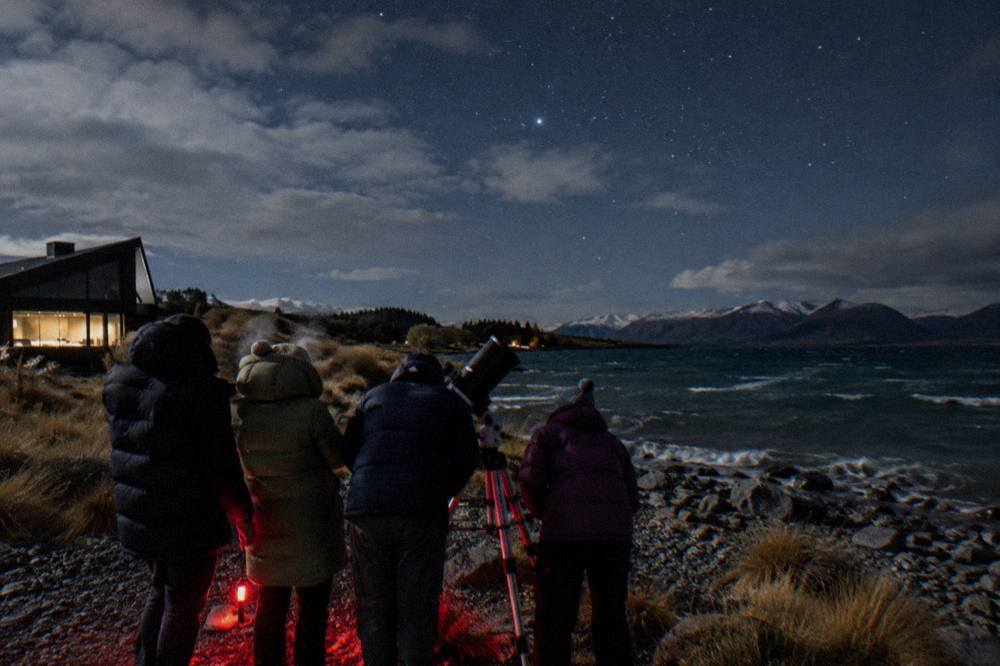
The reason is geographic before it is seasonal. The Mackenzie Basin is an inland plateau flanked by the Southern Alps, and Lake Tekapo sits high on it at about 710 metres. Basin nights cool quickly once the sun drops behind the mountains, and the stargazing spots the tours use are deliberately away from village light: an alpine site reached by vehicle, a private observatory a short drive out of town, the summit of Mount John at 1,029 metres, or the shoreline reserve itself. Higher and darker both mean colder.
The seasons shift the character of the cold rather than removing it. In winter, from June to August, snow is possible and the night is long: sunset comes early, so tours start early and the cold is the deep, settled kind. In summer, from December through January, the night starts late, around 10 pm for true darkness, and the cold is gentler but real, especially with wind off the lake. The shoulder seasons sit somewhere between, and wind is the wildcard in all of them. A still night at the lake can feel mild; the same night with a southerly can bite through a light jacket in minutes.
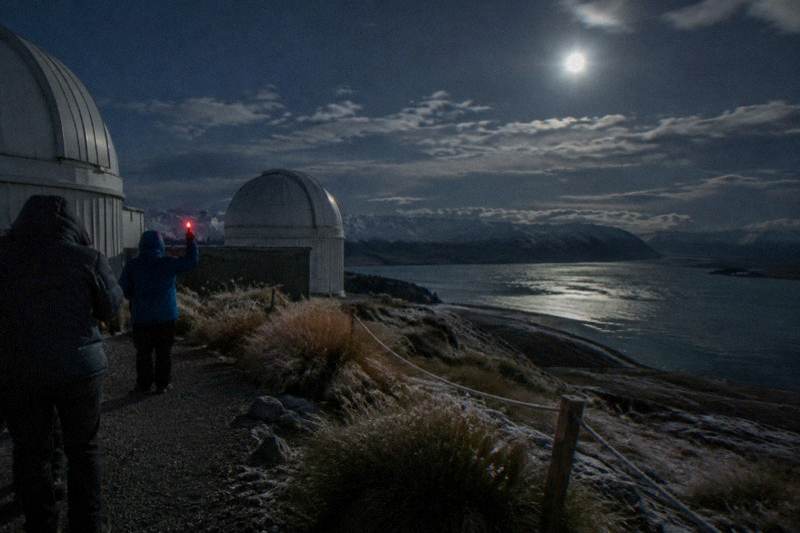
One detail worth knowing before it catches you out: the Mount John Summit Experience involves about 100 metres of walking up a gravel incline plus a few steps, in the dark, on a summit at 1,029 metres. You arrive warm from the bus and then stand still at the top while a guide talks and a telescope is aimed. Standing still is when the cold collects. Every experienced stargazer in the basin knows this rhythm, which is why the clothing advice in this article repeats one word more than any other: layers.
Which Lake Tekapo Stargazing Tours Provide Warm Jackets?
Exactly two of the six stargazing tours at Lake Tekapo state that they provide warm jackets: the Silver River alpine stargazing experience and the Dark Sky Project Mount John Summit Experience. The Chameleon, Go Tekapo and Cowan's Observatory tours do not state jackets, and Tekapo Star Gazing's Soak in the Stars at Tekapo Springs states no jackets but supplies hot pools and a woollen blanket instead. If staying warm in hot pools sounds more appealing than borrowing a jacket, the full review of the Tekapo Star Gazing Soak in the Stars tour covers what it costs, what is included, and how it stacks up against the dry stargazing options.
The two jacket tours handle warmth differently, and the difference matters. The Mount John Summit Stargazing Experience, from $133.00 per person, 4.6 across 347 reviews, loans an extreme cold weather jacket on the summit, which is the warmest garment any tour in the village hands out, matched to the exposed 1,029 metre site. The Silver River alpine experience, from $55.00 per person and the most reviewed stargazing tour covered here at 4.6 across 864 reviews, provides warm down jackets at its alpine site. Silver River caps groups at 10; the Mount John summit tour sets a minimum age of 10.
For the rest, silence on jackets means you bring your own. The Chameleon stargazing experience, from $72.00 per person, 4.9 across 788 reviews, the highest rating of any tour here with more than 100 reviews, provides blankets, outdoor seats, pillows and mattresses plus a fire bowl with marshmallows and hot chocolate, which is a different but effective approach to warmth. The Go Tekapo ultimate experience, from $124.24 per person across 17 reviews at 5.0, states no jackets. The Cowan's Private Observatory tour, from $80.88 per person, 3.9 across 91 reviews, simply tells guests to dress warmly, and jackets are not part of its stated inclusions. Tekapo Star Gazing's Soak in the Stars at Tekapo Springs, from $101.55 per person, states warm jackets are not provided but issues a woollen blanket for the outdoor segment between soaks.
| Tour | From (USD) | Duration | Warm gear stated | Rating and reviews |
|---|---|---|---|---|
| Silver River Alpine Stargazing | $55.00 | 1 hr 15 min | Warm down jackets | 4.6, 864 reviews |
| Chameleon Stargazing Experience | $72.00 | 1 hr 30 min | Blankets, fire bowl, hot chocolate | 4.9, 788 reviews |
| Cowan's Private Observatory (Dark Sky Project) | $80.88 | 1 hr 30 min | None stated; dress warmly | 3.9, 91 reviews |
| Tekapo Springs Soak in the Stars | $101.55 | 1 hr 30 min | Woollen blanket, hot pools | 4.3, 121 reviews |
| Go Tekapo Ultimate Stargazing | $124.24 | 2 hrs | None stated | 5.0, 17 reviews |
| Mount John Summit (Dark Sky Project) | $133.00 | 1 hr 45 min | Extreme cold weather jacket | 4.6, 347 reviews |
Every one of these tours is listed with free cancellation, so a cold-weather worry does not lock you in.
The Mount John Summit Experience matters here for a reason that fits this article precisely: the summit is the coldest stargazing platform at Tekapo, and it is the tour that answers the cold with the heaviest jacket. If you want the deep dive on that product, the guide to the Dark Sky Project stargazing tours covers the base, the bus and the telescope.
What Should You Wear Stargazing At Lake Tekapo?
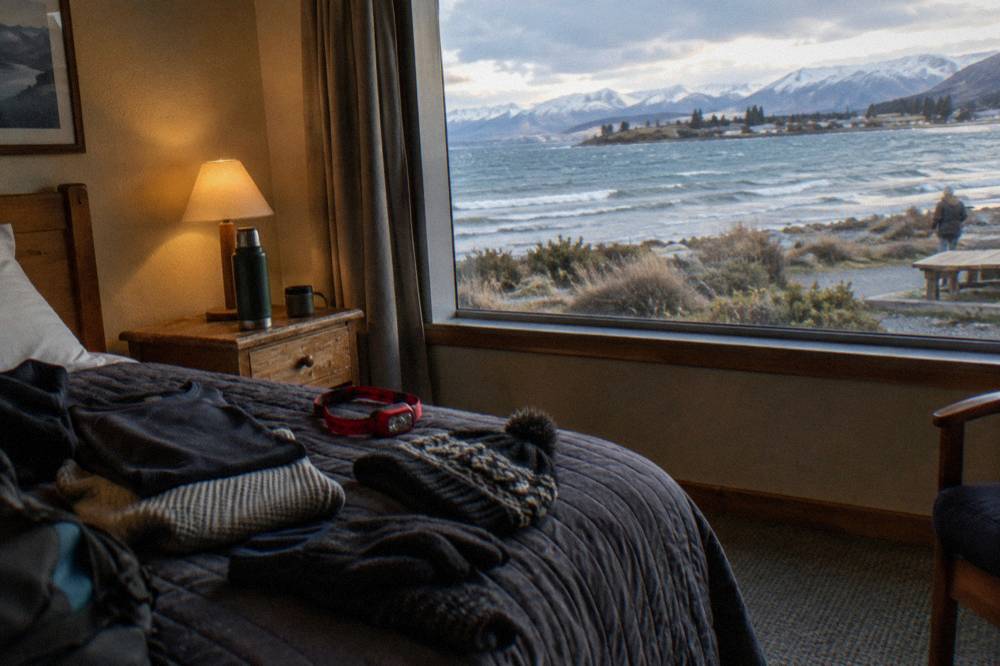
Dress as if for a winter night regardless of season: a thermal base layer, an insulating mid layer such as fleece or down, a windproof outer shell, a warm hat, gloves, a scarf and closed shoes with warm socks. Even on jacket-supplied tours the jacket covers your torso only, so hats and gloves remain yours to bring.
The layering logic is standard alpine practice, and it applies at 710 metres as much as on a ski field. A base layer of merino or synthetic thermal fabric moves sweat away from your skin, which matters more than people expect: if you walked to a meeting point or climbed the summit path, you arrive damp, and damp skin chills fast once you stand still. A mid layer traps warm air, and more than one thin mid layer beats one thick one because you can shed or add as the night changes. The outer layer exists for wind, which at an open lakeside or a summit site is the factor that turns a cold night into an unbearable one.
Feet, hands, head and neck deserve specific attention because that is where stargazers lose heat fastest while looking up. A beanie rather than a hood, because hoods block your upward view and the view is the entire point. Gloves that still let you handle a phone or camera, thin liners under mittens if it is winter. A scarf or buff for the neck, and closed, insulated shoes with warm socks: sandals at a Tekapo stargazing session in any month is a genuinely bad idea. If you are doing the hot pools tour, add swimwear and use the robes and towels that the booking page says are available to borrow, because the walk between pool and sky is where the cold finds you.
A few practical extras earn their space. A red-light torch or headlamp if you own one, since white light ruins night vision and annoys guides; phones are fine for light but keep them dimmed. Hand warmers are cheap and small. A thermos is welcome on the tours that allow drinks, though the Tekapo Springs booking page notes alcoholic drinks cannot be brought onto its premises. And check the specific tour's inclusions before you load up: Chameleon supplies hot chocolate and marshmallows, Silver River supplies the jacket, the summit tour supplies the big jacket but no food or drink.
For a fuller kit rundown that goes beyond the cold question, the guide on what to wear on a Lake Tekapo stargazing tour itemises the whole packing list, and the thinking behind it is the same one Lake Tekapo Day Tours applies across every page here.
Does The Hot Pools Tour Keep You Warm At Tekapo Springs?
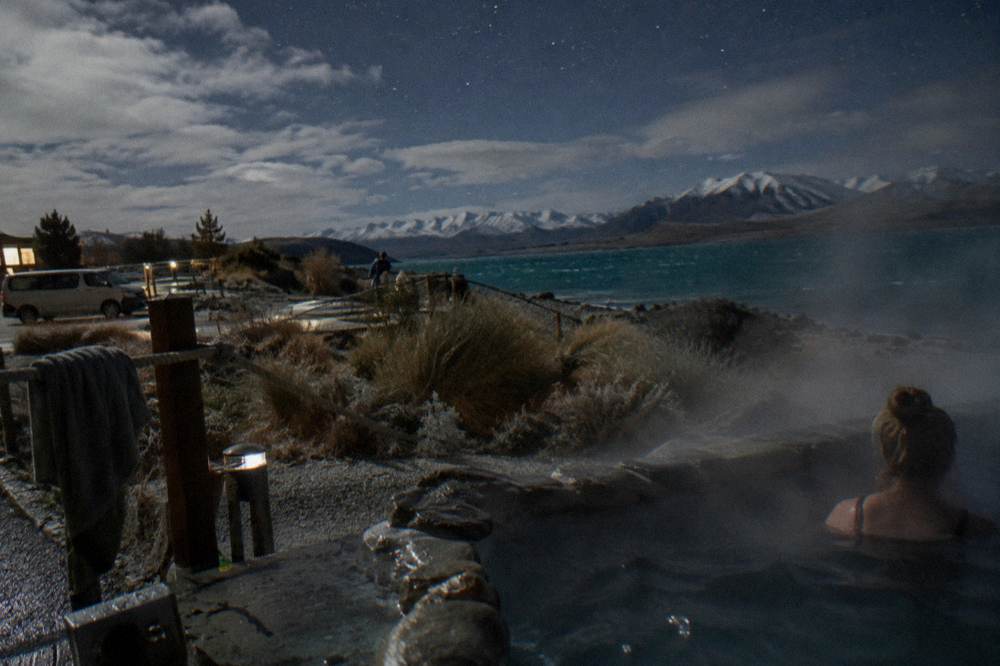
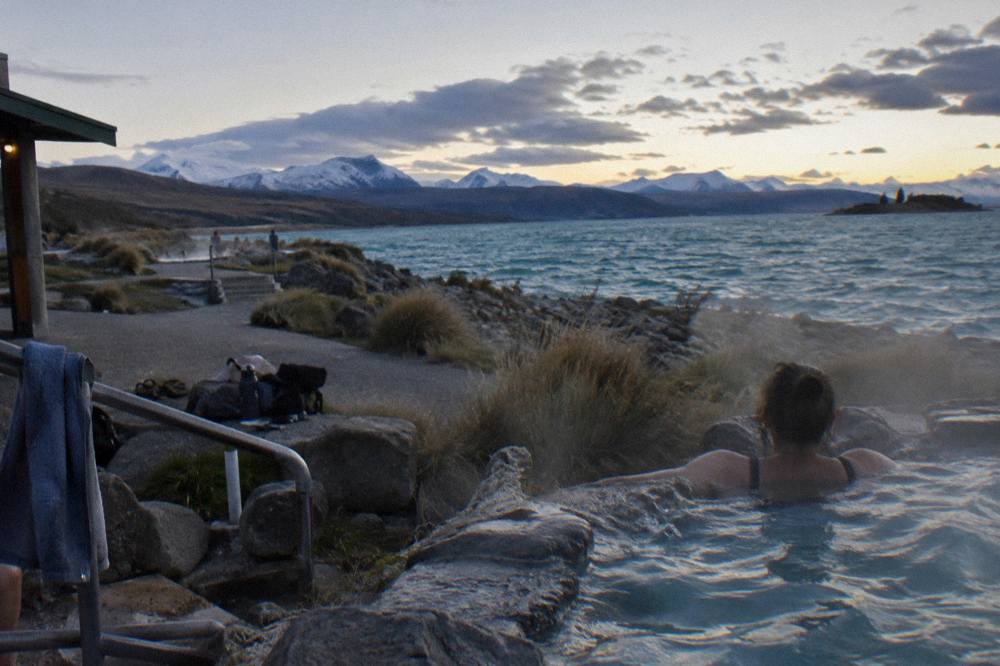
Mostly yes, and it is the one stargazing product at Tekapo built around warmth rather than despite it. The Soak in the Stars tour at Tekapo Springs, 300 Lakeside Drive, from $101.55 per person, runs stargazing from a floating hammock in hot pools, with a woollen blanket for the outdoor telescope segment and hot drinks provided on the tour.
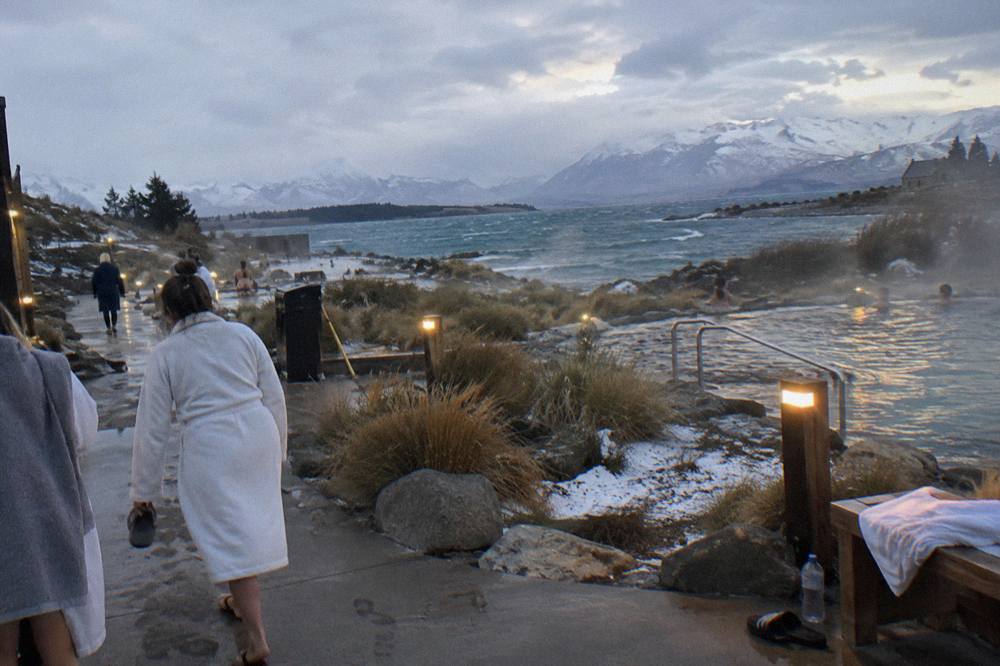
The mechanics of the tour explain why it answers this article's question differently. Guests get exclusive night use of the hot pools in a group of no more than 32, along with a professionally guided tour of the dark sky reserve, and the booking page describes a floating hammock used while drifting in the warm water. The cold, in other words, is something you sit inside while warm for most of the 90 minutes. The outdoor segment, when you leave the water for telescope viewing under guidance, is where the blanket and your own robe or towel matter, and where the operator's reminder to bring swimwear and use the borrowable robes applies.
Two honest caveats belong here. First, stargazing itself is never promised on any Tekapo night, and on this tour the booking page is explicit that tours run even if some or none of the sky is visible, with an indoor session instead; a 25 percent refund applies when under 30 minutes of telescope viewing happens. Second, the pools are hot but the walk between buildings, pools and viewing areas is not, so winter guests should still arrive dressed for the transitions. Minimum age is 10, group maximum 34, and pickup from Lake Tekapo township is on request and subject to availability, otherwise you meet at Tekapo Springs itself.
For readers weighing this against a conventional outdoor stargazing night, the comparison piece on stargazing tours versus the hot pools night lays out the trade-offs in full. The short version as it relates to cold: the outdoor tours give you a darker, more remote sky and expect you to dress for it, while the pools tour trades a little of that remoteness for water at body temperature.
Do Lake Tekapo Stargazing Tours Get Cancelled For Cold?
Cold alone does not cancel Lake Tekapo stargazing tours; cloud and weather do. Operators decide on the day. If outdoor stargazing is not possible on a Dark Sky Project night, guests are offered an alternative indoor experience, a reschedule subject to availability, a voucher or a refund, and no fixed cancellation hours are published for it.
This distinction matters for planning. A crystal-clear night is a good night at Tekapo, arguably the best kind, because clear winter skies over the reserve are what the lighting controls of the early 1980s were protecting. What stops a tour is cloud cover, wind, snow, extreme ice or lightning, the Tekapo Springs listing naming snow, extreme ice and lightning as its cancellation triggers with an alternative date or full refund offered. The Air Safaris fixed-wing flight from the Tekapo aerodrome takes the same view for flights: favourable weather required, full refund if the operator cancels for weather.
Booking terms are consistent across the stargazing products covered here: each booking page states free cancellation up to 24 hours before the start for a full refund. That 24-hour window is your lever for cold-weather nerves generally, but note it does not help with a same-night weather call made by the operator, which is handled under each operator's own weather terms instead. Same-day bookings are possible at the Dark Sky Project base, subject to limited spots, with check-in 15 minutes before departure.
A practical habit for the night itself: New Zealand's daylight saving began on Sunday 27 September 2026 and ends in early April 2027, and sunset at Tekapo runs from around 8:30 pm in early November to around 9:20 pm at the December solstice, with true darkness roughly 10 pm in midsummer. Confirm your session time with the operator, then plan dinner and clothing backwards from it. Road conditions matter too in winter; the NZTA Journey Planner is the official source for State Highway 8 conditions on the day, and no tour departure is ever promised here.
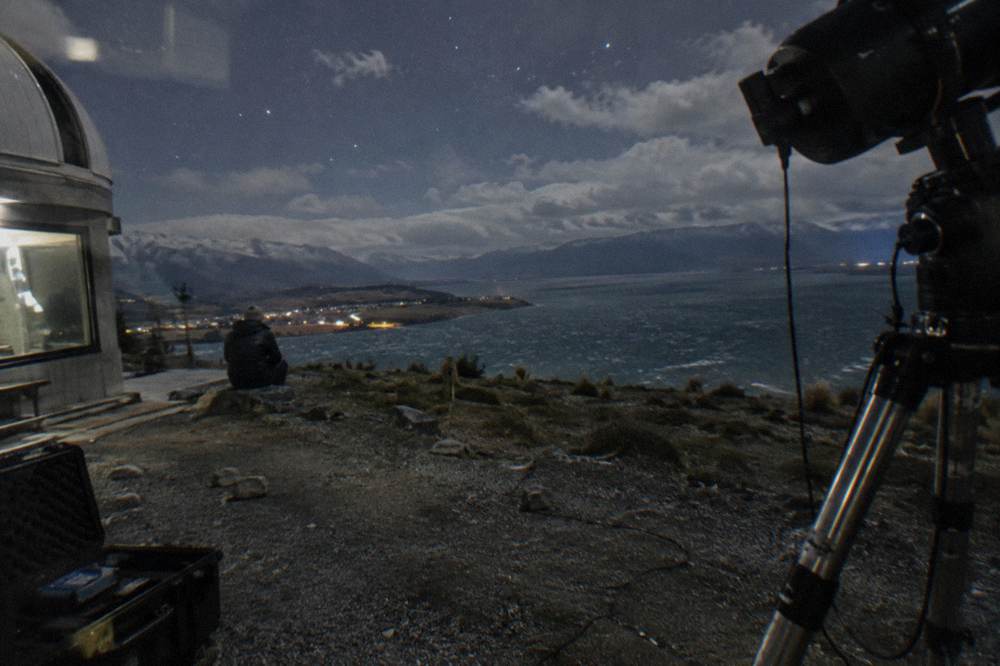
If a cloudy night does catch you, the post on what happens when a Tekapo stargazing tour is cancelled for cloud walks through each operator's stated fallback in detail, and the guide to stargazing weather and cancellations covers the same ground for trip planning.
Should You Pick A Tour Based On Warmth Alone?
Warmth is a real differentiator but a poor sole criterion. The two jacket tours, Silver River from $55.00 and the Mount John summit from $133.00, plus the hot pools hybrid from $101.55, are the kindest to cold-sensitive guests, while the highest-rated large-pool tour, Chameleon at 4.9 across 788 reviews, supplies blankets and a fire instead. Match the warmth package to your group, then let price and format decide.
Price spread across the six stargazing products is wide for what are all 1 hour 15 minute to two-hour nights: $55.00 to $133.00 per person, against a site-wide median of $199.69 across the 24 per-person tours in the wider catalogue, so stargazing is comfortably the cheaper half of what Lake Tekapo offers. If a jacket is the deciding factor, Silver River is both the cheapest stargazing night here and one of the two jacket tours, which makes it the value answer to the cold question. If the summit telescope and the exclusive Mount John Observatory access matter more, the $133.00 summit tour supplies the heaviest coat in the village for its exposed site.
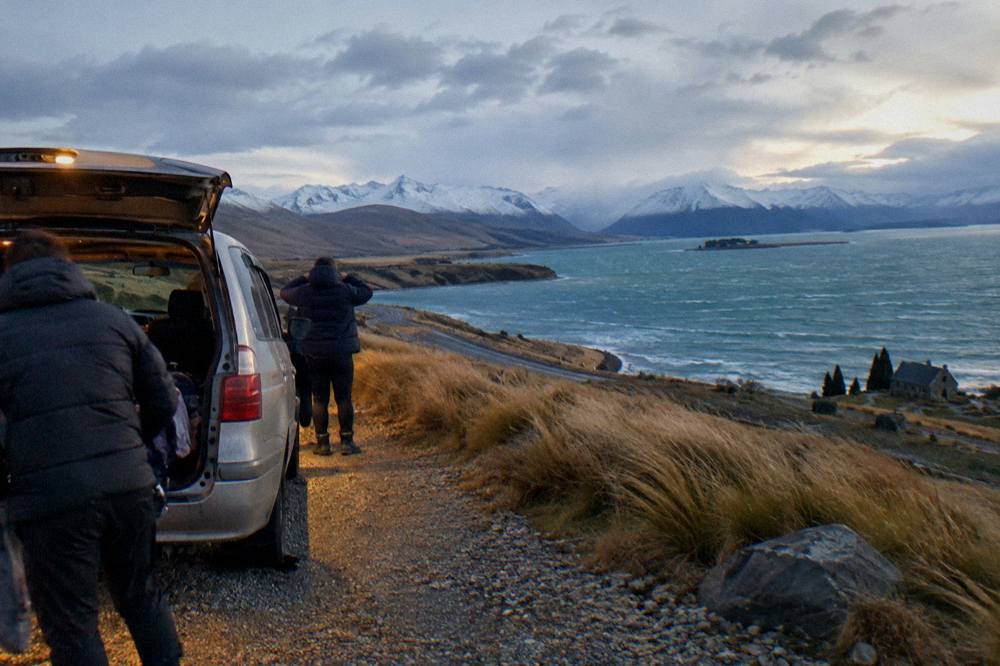
Cold-sensitive travellers and families should also weigh the minimum ages the booking pages state, because they differ: the Mount John summit tour and the Tekapo Springs tour both set a minimum age of 10, while Cowan's Private Observatory sets it at 5, and the other three stargazing listings state none, so check before booking rather than assuming. Group sizes differ too, from 10 on Silver River and Go Tekapo to 34 at the pools. A smaller group standing in the cold tends to mean more guide attention and faster access to telescopes, which shortens the standing-still time that chills people.
The last consideration is seasonal honesty with yourself. A visitor in July who books an open-air 90-minute session with no stated jacket is accepting the coldest version of Tekapo; the same visitor on the pools tour is not. Neither choice is wrong, but the first demands the full layering kit from the section above, and the second demands swimwear. Book with the weather reality in mind rather than the brochure, keep the 24-hour free cancellation wording in your back pocket, and the cold becomes a footnote to a good night rather than the story of it.
Common Questions About Lake Tekapo Stargazing Cold
Do You Get Cold On A Lake Tekapo Stargazing Tour?
Yes. Lake Tekapo sits at about 710 metres above sea level, and the Dark Sky Project states that nights are cold even in summer, with snow possible from June to August. Two tours provide warm jackets, Silver River alpine stargazing and the Mount John summit experience, while the others expect you to bring your own layers.
Do Any Lake Tekapo Stargazing Tours Give You A Jacket?
Two do. The Silver River alpine experience provides warm down jackets, and the Dark Sky Project Mount John Summit Experience loans an extreme cold weather jacket on the summit. The Cowan's Observatory tour tells guests to dress warmly and states no jackets, and the Tekapo Springs tour provides a woollen blanket for its outdoor segment instead.
What Should I Wear For Stargazing At Lake Tekapo In Summer?
The same kit as winter, lightened slightly: a thermal base layer, a fleece or down mid layer, a windproof shell, a warm hat, gloves and closed shoes. Darkness starts roughly 10 pm in December and January, and the temperature drop after sunset at altitude is sharp. Never rely on a summer day temperature to predict the stargazing hour.
Is The Hot Pools Stargazing Tour Warmer Than The Telescope Tours?
Generally yes. The Soak in the Stars tour at Tekapo Springs runs from a floating hammock in hot pools with a woollen blanket for the outdoor telescope segment, so most of the 90 minutes is spent in warm water. Swimwear, robes and towels can be borrowed for the transitions.
Will My Stargazing Tour Be Cancelled Because It Is Cold?
No tour here cancels for cold alone. On Soak in the Stars, snow, extreme ice or lightning can cancel the tour for an alternative date or a full refund, while cloud alone moves it to an indoor session. At the Dark Sky Project, if outdoor stargazing is not possible, the options are a reschedule subject to availability, an indoor alternative, a voucher or a refund. Every booking page states free cancellation up to 24 hours before the start for a full refund.
Which Stargazing Tour Is Best If I Hate The Cold?
Tekapo Star Gazing's Soak in the Stars tour at Tekapo Springs from $101.55 per person is built around warmth, and the Silver River alpine tour from $55.00 per person is the cheapest option that hands you a down jacket. The Mount John summit tour from $133.00 supplies the warmest jacket but stands you on the most exposed site, so bring your own hat and gloves regardless.